
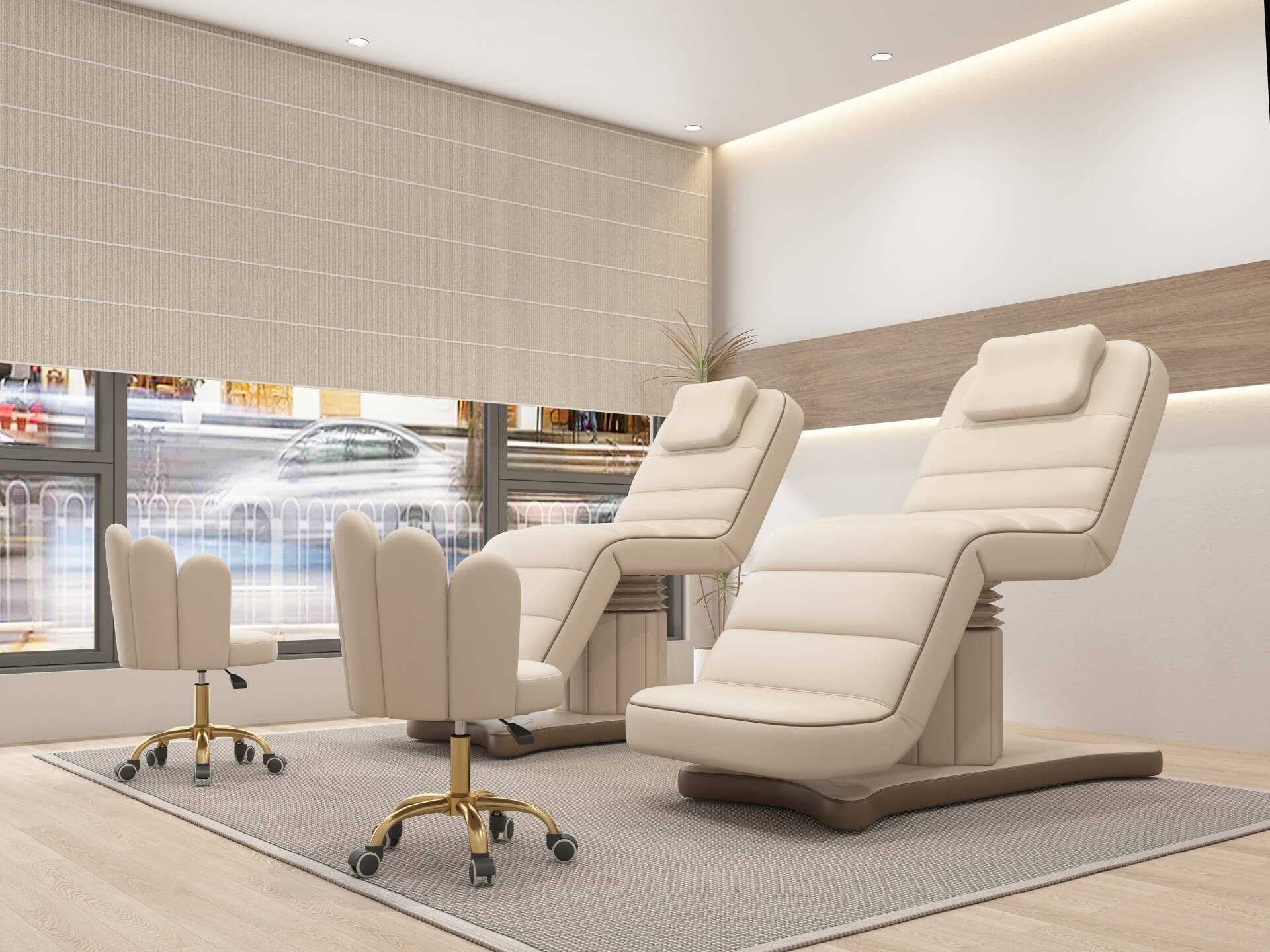
 Beauty & Spa
 Examination and Treatment
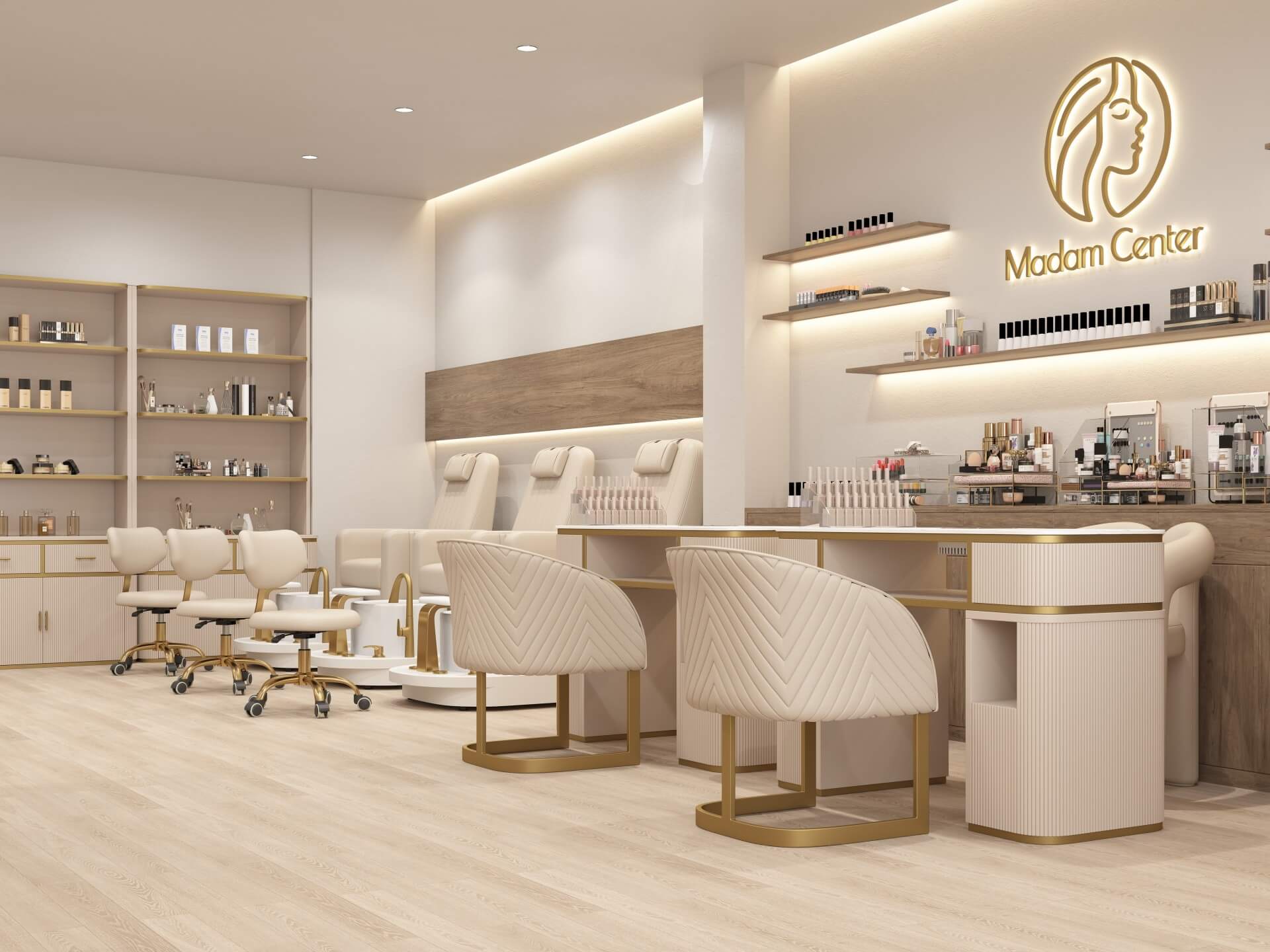 Pedicure & Manicure Nail Salon
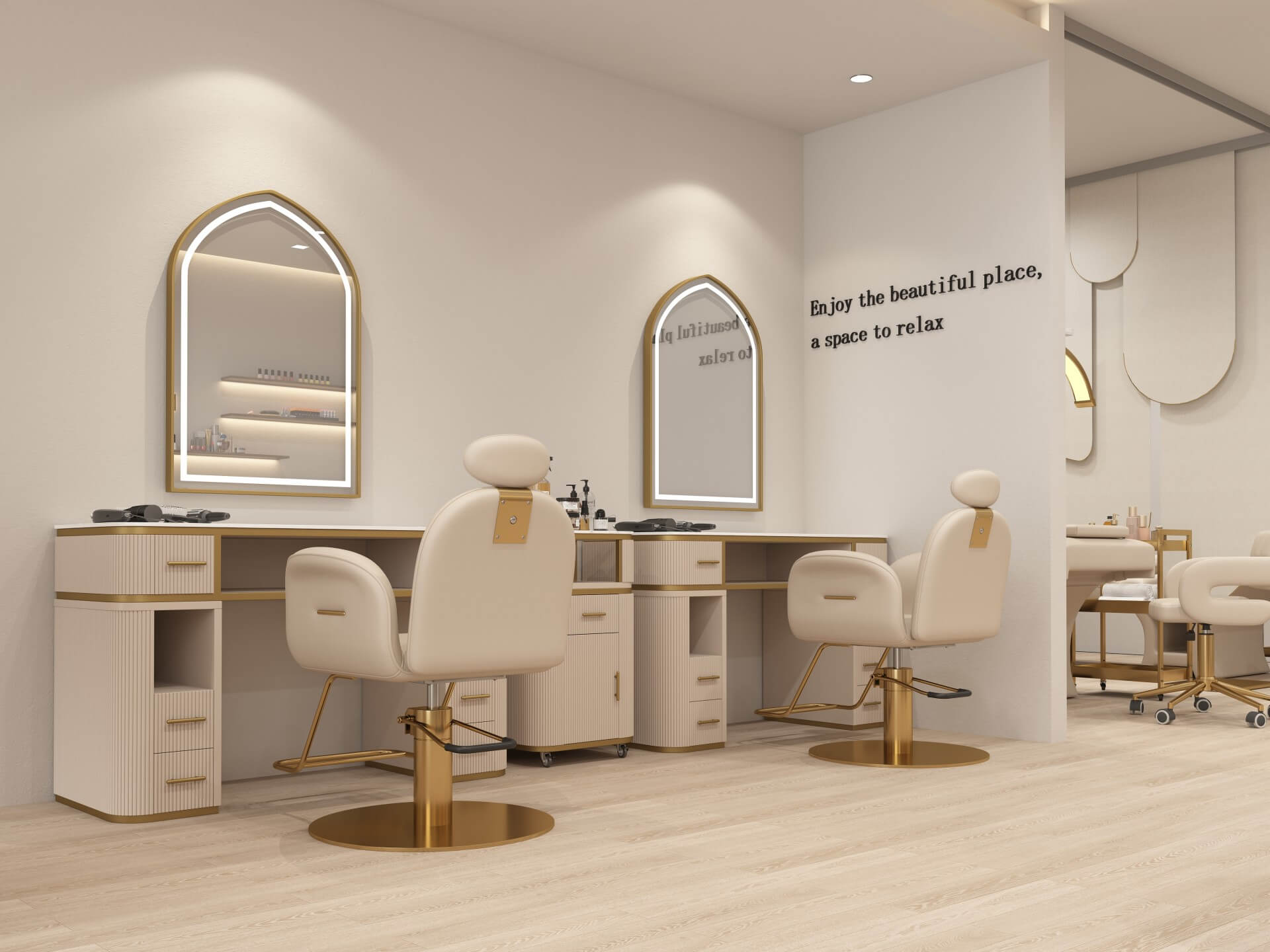 Barber & Hair Wash Salon
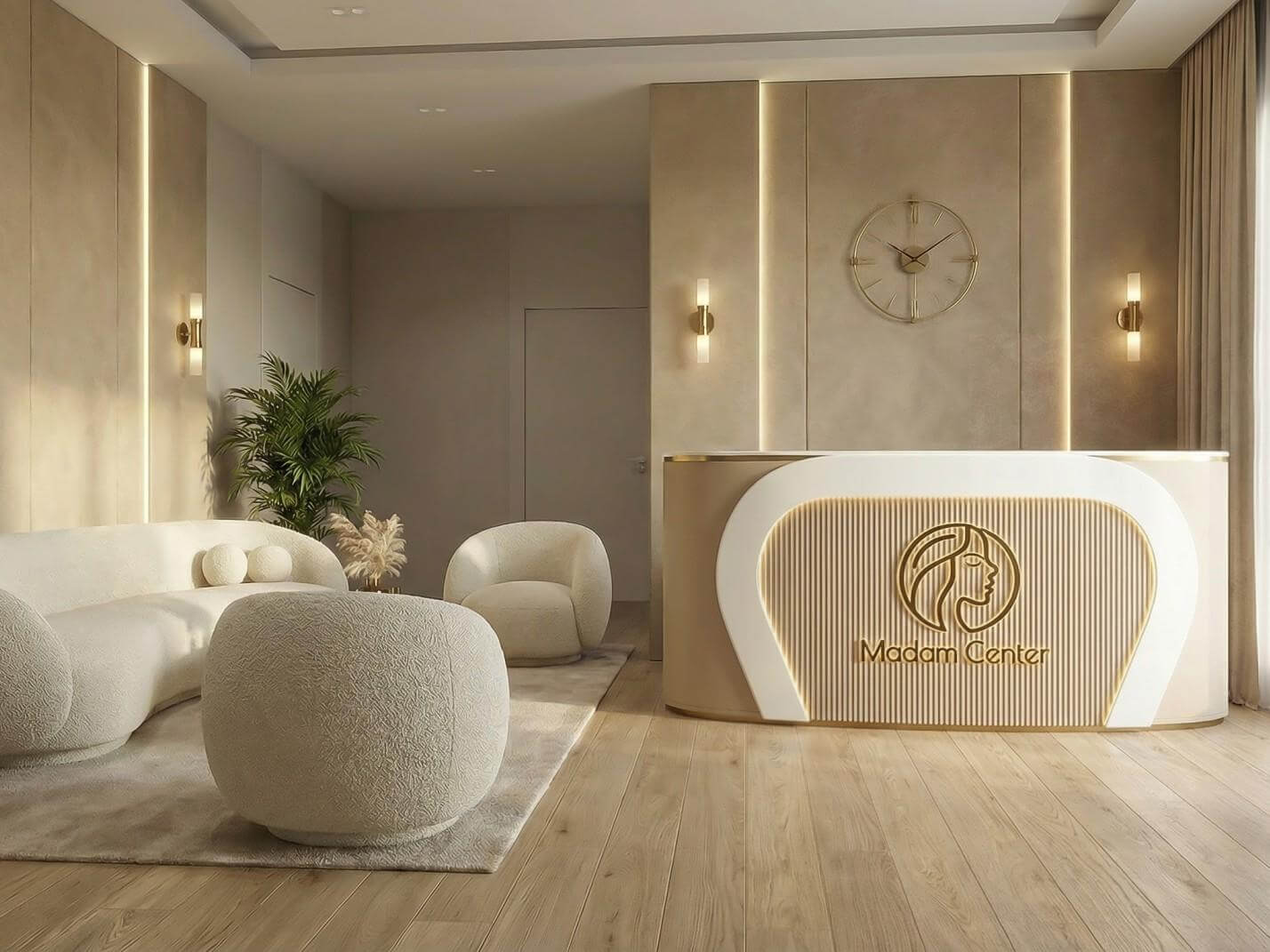 Salon Reception
 Parts




Salon Furniture Manufacturer vs Trading Company: B2B Guide
When sourcing Salon Furniture from overseas, buyers often encounter two types of suppliers: manufacturers and trading companies. Both can play useful roles, but they operate differently. For distributors, wholesalers and brand owners, understanding these differences is important because the supplier structure can affect product development, quality control, communication and long-term sourcing stability.
What Is a Salon Furniture Manufacturer?
A salon furniture manufacturer is directly involved in product production.
Depending on its capabilities, the factory may handle:
product design, frame production, upholstery, assembly, electrical installation, quality control and packaging.
Professional manufacturers may also have R&D teams that develop original salon furniture designs and customized products.
This model is particularly suitable for buyers who need consistent repeat orders, OEM/ODM development or customized products.
What Is a Trading Company?
A trading company normally sources products from one or more factories and resells them to international buyers.
Some trading companies are highly professional and can provide useful sourcing services, particularly when buyers need many unrelated products from multiple factories.
However, the trading company may have less direct control over manufacturing.
This can become important when buyers require customized specifications or need to investigate a technical quality issue.
1. Product Knowledge
Manufacturers usually have deeper technical knowledge of the products they make.
For example, when discussing an Electric Beauty Bed, a manufacturer may be able to explain:
motor configuration, frame thickness, foam structure, upholstery, plywood, wiring and assembly.
This technical knowledge is useful for distributors that need to train sales teams or explain products to customers.
2. Customization
Customization is one of the biggest differences.
A trading company may need to confirm every change with an external factory.
A manufacturer can usually communicate directly with production and technical teams.
This can make OEM and ODM projects more efficient.
For brand owners, direct manufacturing access is particularly valuable when developing:
custom colors, private label packaging, product dimensions, branding or new structures.
3. Quality Control
Manufacturers have direct access to production.
This means they can implement quality checkpoints during different manufacturing stages.
For example:
incoming material inspection, frame inspection, upholstery inspection, electrical testing and final product inspection.
Trading companies may also provide quality inspection, but they are often one step removed from the production process.
4. Pricing
Many buyers assume factories are always cheaper.
In reality, price depends on product specification, order volume, service level and sourcing model.
A factory-direct quotation may reduce intermediary costs, but this should not be the only reason to choose a manufacturer.
Professional buyers should evaluate the total value, including:
product quality, customization, communication, warranty and after-sales support.
5. New Product Development
This is particularly important for distributors.
Selling the same generic furniture as every competitor often leads to price competition.
A manufacturer with R&D capability can help distributors launch differentiated products.
Madam Center focuses on original salon furniture design and has developed more than 160 original designs for professional beauty and salon environments.
This gives distributors more opportunities to build a distinctive local catalog.
6. Repeat Order Consistency
One of the most important B2B issues is whether a product ordered six months later will match the original batch.
Manufacturers that control materials and production standards are generally in a better position to maintain consistency.
This matters for brand owners that need stable:
colors, dimensions, hardware, packaging and spare parts.
7. Communication During Quality Issues
When a technical problem occurs, communication speed becomes important.
With a manufacturer, the sales team can usually communicate directly with engineering or production departments.
This can make it easier to identify whether a problem relates to:
motors, wiring, controls, hardware or assembly.
For distributors managing their own customers, this technical support can be more valuable than a small difference in purchase price.
When Is a Trading Company Useful?
Trading companies are not automatically a poor choice.
They may be useful when:
buyers require many unrelated product categories, suppliers are difficult to coordinate or buyers prefer one sourcing intermediary.
However, for professional salon furniture distributors that require product specialization, OEM/ODM and long-term repeat orders, direct cooperation with a specialized manufacturer often provides more strategic value.
What Should Distributors Look for in a Manufacturer?
A professional salon furniture manufacturer should ideally provide:
a broad product range, stable manufacturing capacity, product development, customization, quality control, export packaging, warranty and spare parts support.
Madam Center supplies professional salon furniture for beauty salons, hair salons, nail salons, spas and aesthetic clinics, with OEM/ODM and complete project support for international B2B buyers.
Manufacturer or Trading Company: Which Is Better?
There is no single answer for every buyer.
But if your business depends on:
consistent quality, repeat orders, private labeling, product differentiation and direct technical support,
working with a specialized salon furniture manufacturer can provide significant advantages.
For distributors, the best supplier is ultimately the one that can support not only today's order, but also tomorrow's growth.
FAQ
What is the main difference between a salon furniture manufacturer and a trading company?
A manufacturer directly controls production, while a trading company typically purchases products from external factories.
Are salon furniture manufacturers better for OEM orders?
They are often better positioned for OEM/ODM projects because buyers can communicate more directly with engineering, production and quality teams.
Should distributors always choose the cheapest factory?
No. Buyers should compare quality, customization, production stability, warranty and after-sales support in addition to unit price.