
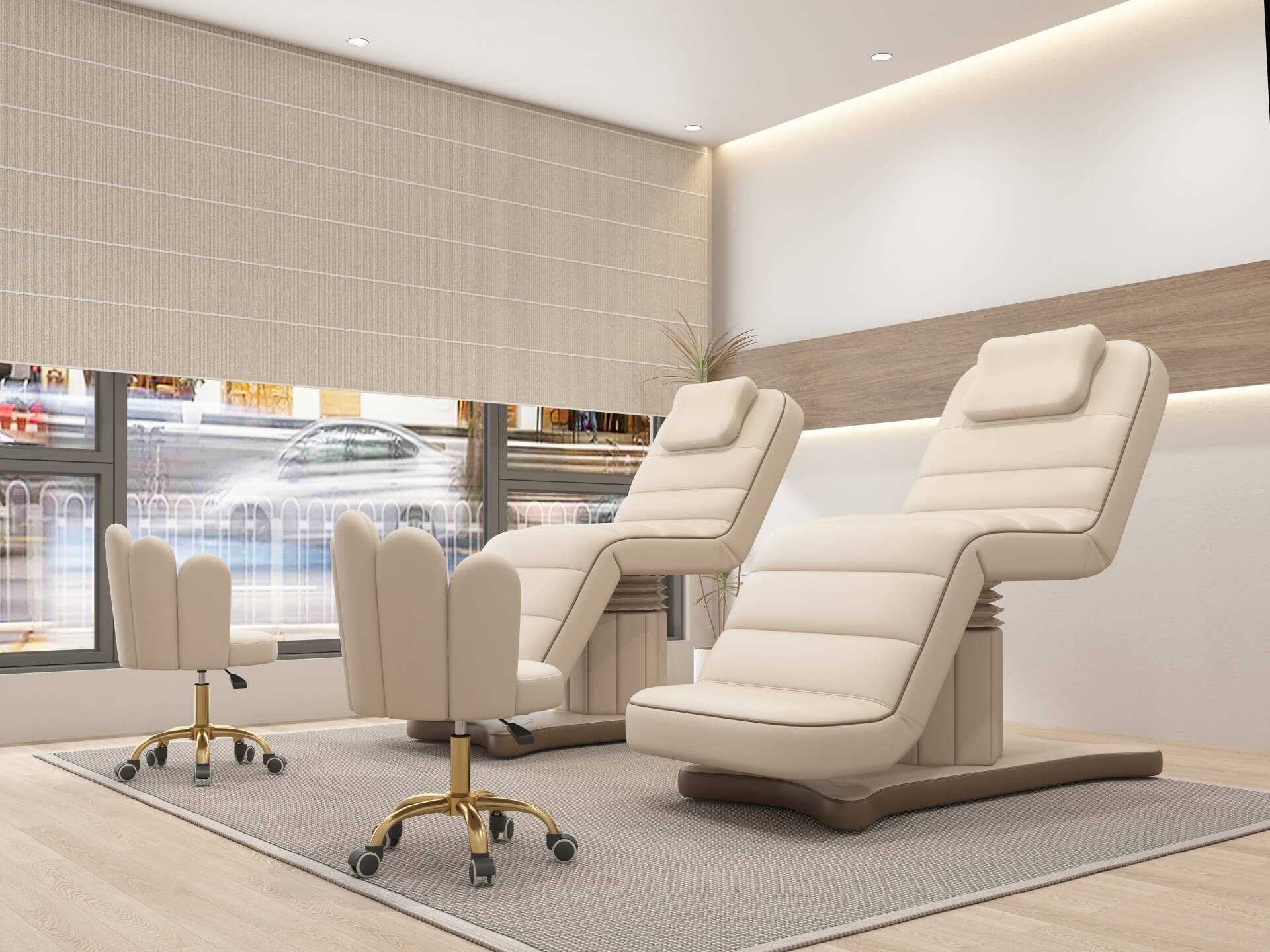
 Beauty & Spa
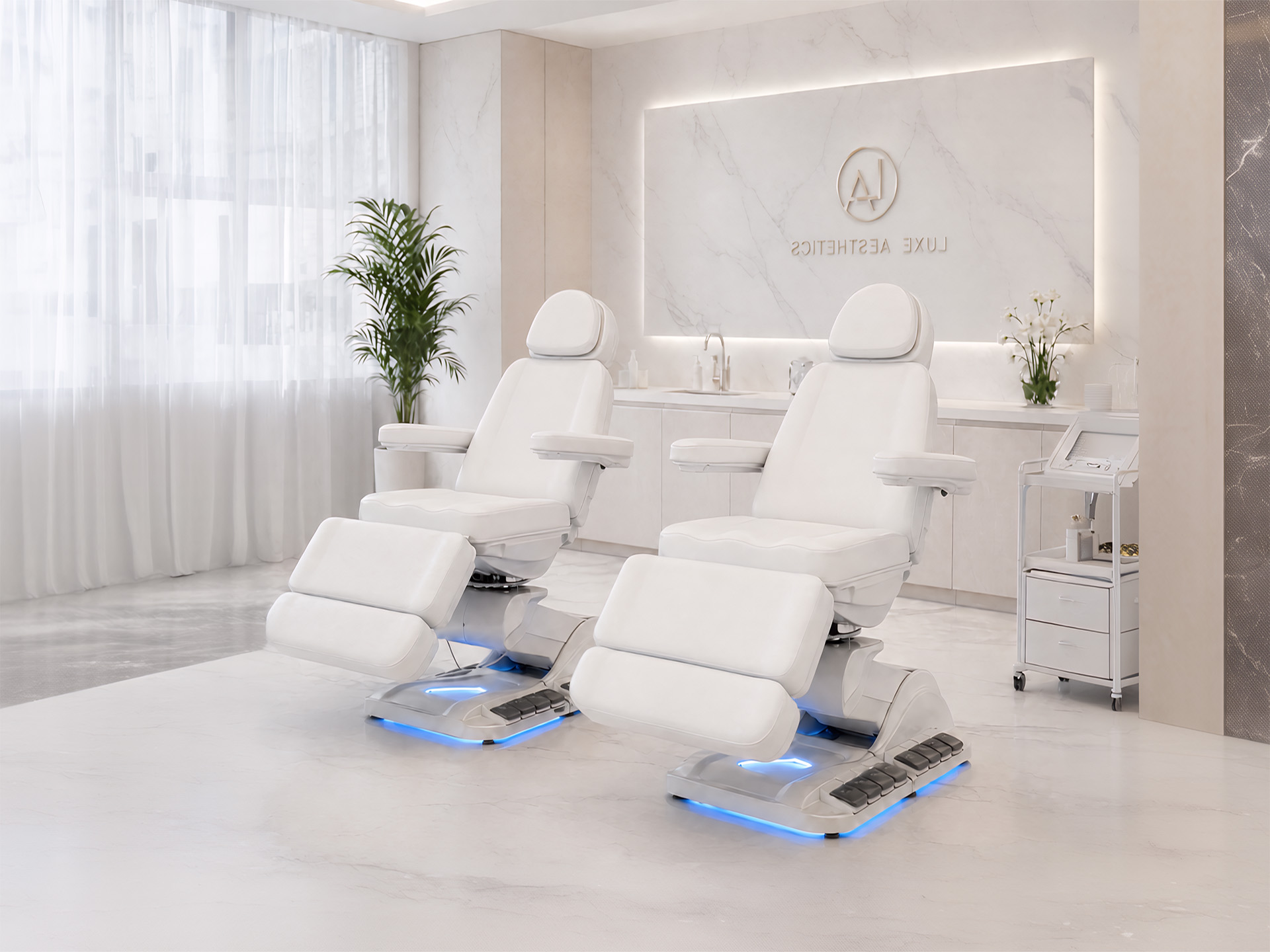 Examination and Treatment
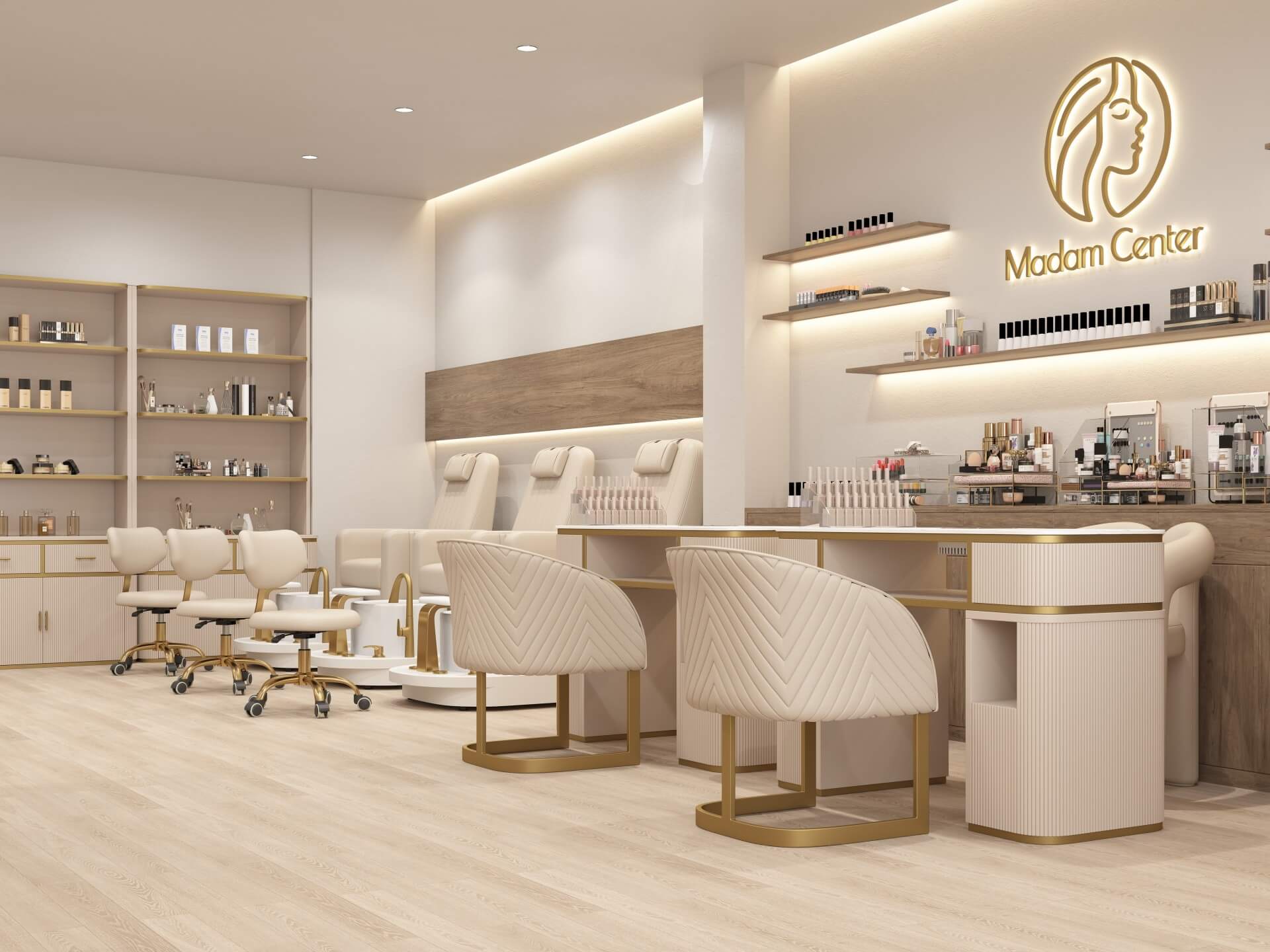 Pedicure & Manicure Nail Salon
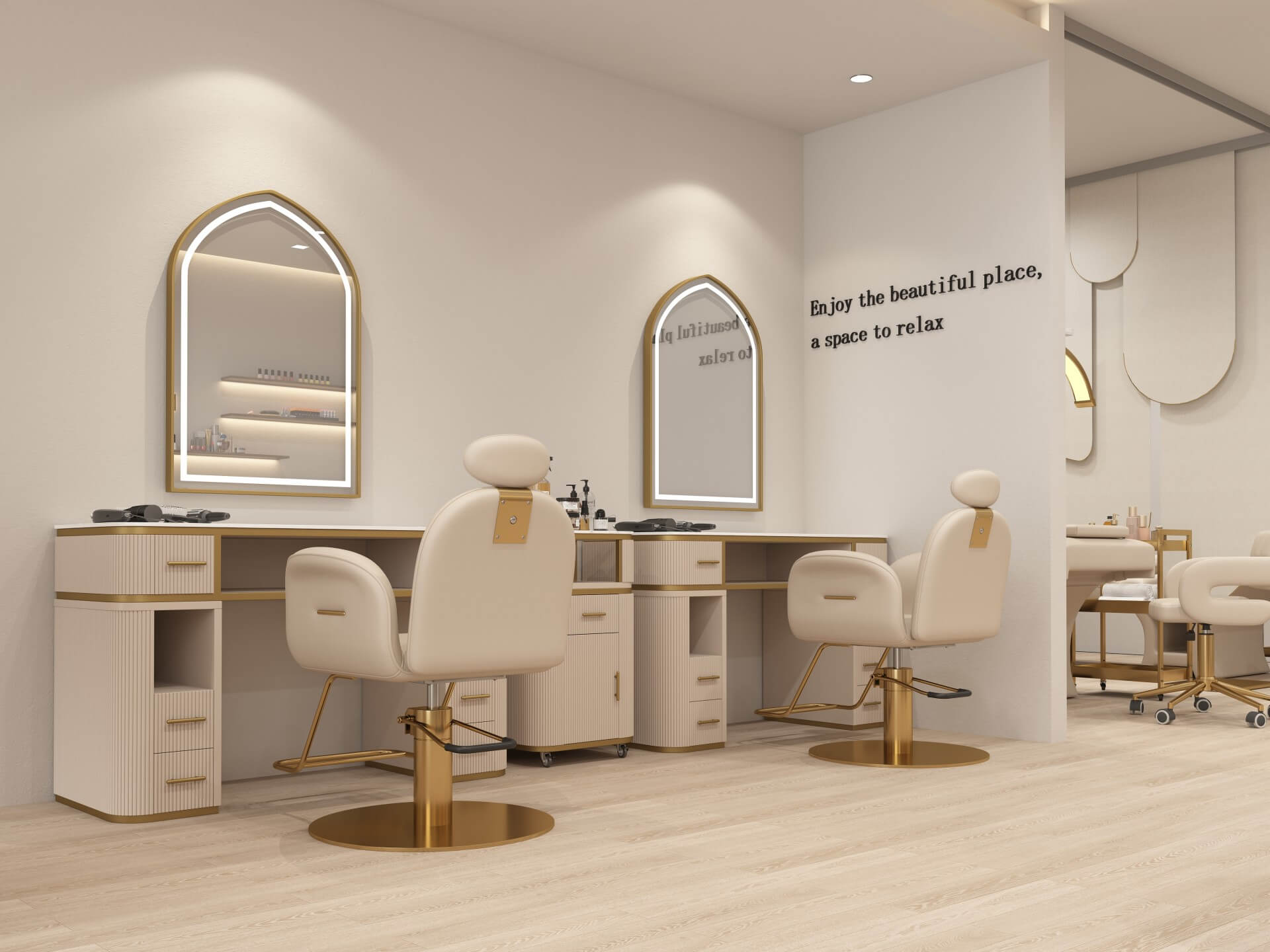 Barber & Hair Wash Salon
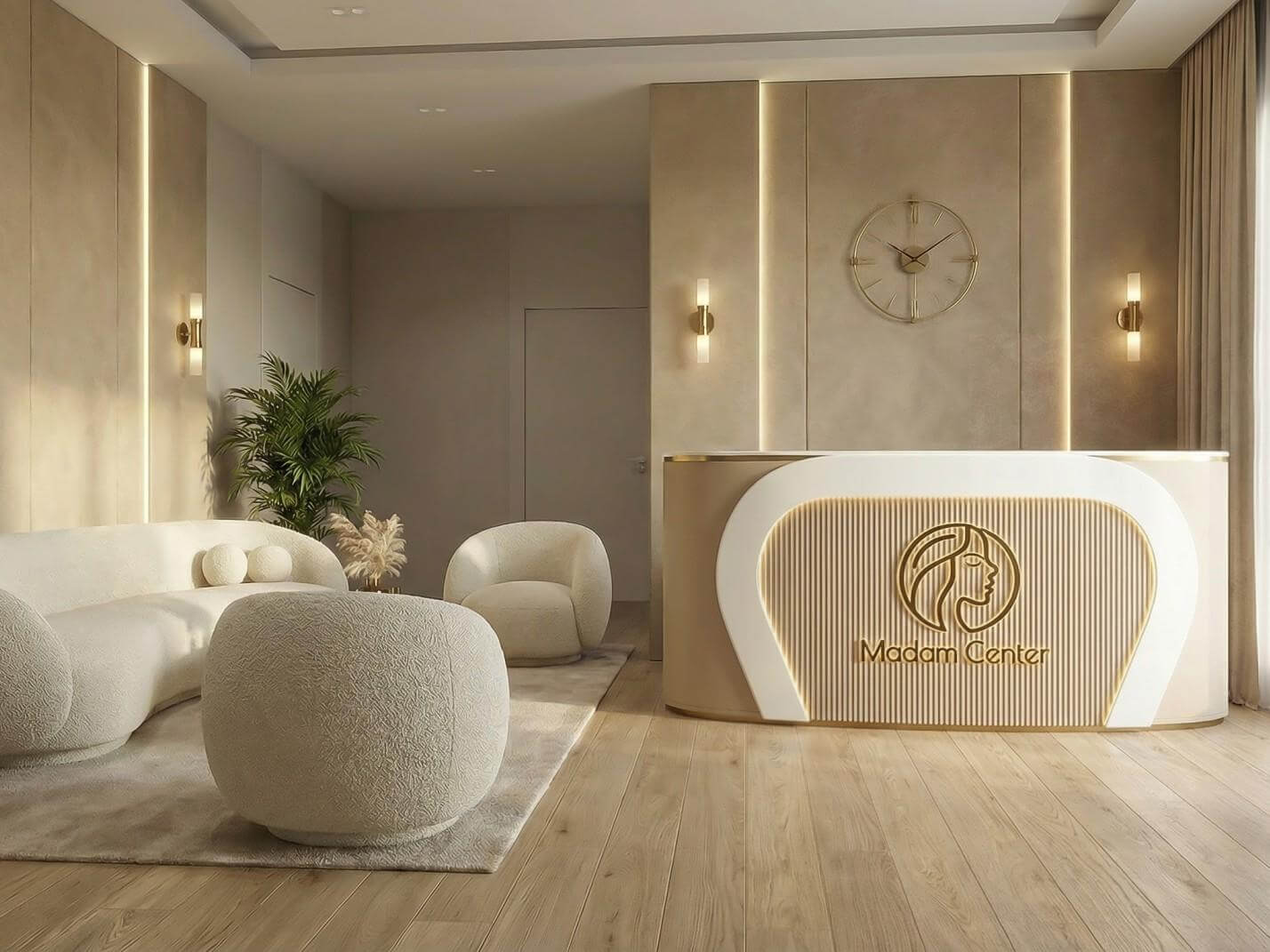 Salon Reception
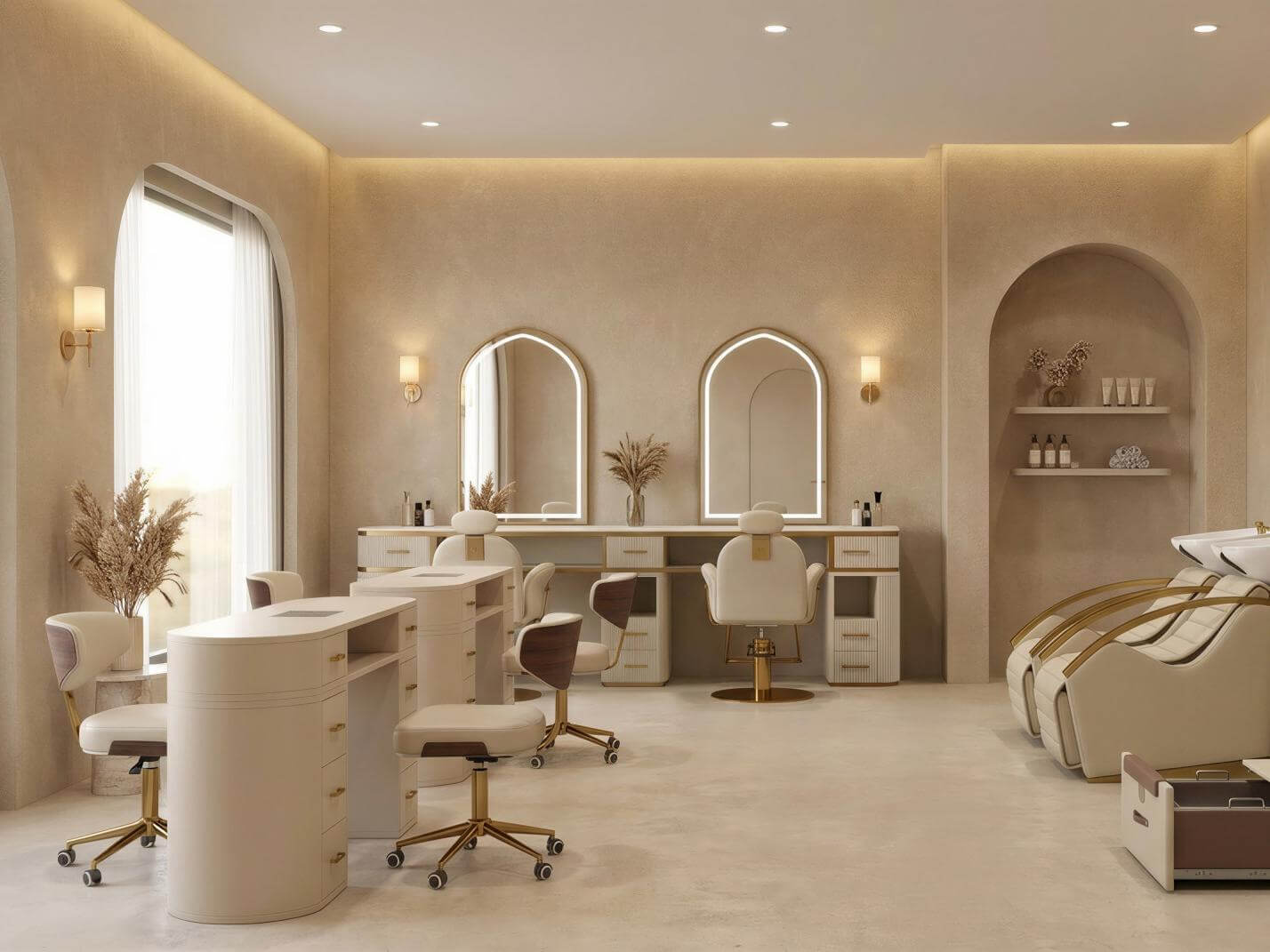 Parts




How to Audit a Salon Furniture Manufacturer Before a Bulk Order: 12 Checks for Distributors and Brand Owners
Choosing a salon furniture manufacturer is very different from buying a few chairs or Beauty Beds for one salon.
For distributors, wholesalers, salon furniture brands and project buyers, the supplier must be able to support not only the first order, but also repeat orders, consistent product quality, customization, after-sales service and future product development.
A low quotation may look attractive at the beginning, but an unreliable supplier can create much higher costs later through quality problems, delays, inconsistent materials and customer complaints.
Before placing a bulk order, buyers should therefore evaluate the manufacturer from several dimensions rather than focusing only on price.
Here are 12 important checks.
1 Is the Supplier a Real Manufacturer?
The first question is whether the company actually manufactures salon furniture or mainly sources products from different factories.
A professional salon furniture manufacturer normally has its own production facilities, technical team, quality control process and product development capabilities.
For distributors, working directly with a manufacturer often provides better control over specifications, customization and production consistency.
Madam Center specializes in professional salon furniture manufacturing and supplies beauty beds, facial beds, shampoo units, styling chairs, manicure tables, pedicure chairs, reception furniture, Trolleys and other salon furniture categories.
2 Does the Manufacturer Offer a Complete Product Range?
A supplier may be good at one product but unable to support a distributor's complete catalog.
For long-term cooperation, buyers should consider whether the manufacturer can provide multiple salon furniture categories.
A full-category supplier can help reduce purchasing complexity and make it easier to build coordinated product collections.
Typical categories include:
Beauty and facial beds, electric treatment beds, barber and styling chairs, shampoo units, manicure tables, pedicure chairs, reception desks, mirrors, stools, trolleys and storage furniture.
This is especially important for distributors serving hair salons, nail salons, med spas and beauty clinics at the same time.
3 Can Product Quality Be Clearly Explained?
A reliable supplier should be able to explain what is inside the furniture.
For an electric beauty bed, for example, buyers should understand:
motor specifications, frame structure, foam density, upholstery materials, plywood thickness, metal thickness, electrical components and surface treatment.
If a supplier can only say that the product is “high quality” without explaining how it is built, buyers should ask for more technical information.
4 Is the Quality Consistent Between Sample and Bulk Production?
Sample quality is important, but consistency is even more important.
For distributors, the real challenge starts when one sample becomes 50, 100 or 500 units.
Ask the manufacturer how they control:
material consistency, color consistency, dimensions, motor performance, upholstery workmanship, metal finishing and final inspection.
A strong quality control system should continue throughout mass production rather than only at the sample stage.
5 Does the Manufacturer Have Product Development Capability?
For brand owners, product differentiation is becoming increasingly important.
A manufacturer with its own R&D and design capabilities can help buyers avoid competing only on price.
Madam Center has developed more than 160 original salon furniture designs and supports product development for different markets and brand positioning.
For distributors, continuous access to new products can help keep catalogs fresh and create stronger local market differentiation.
6 Can the Manufacturer Support OEM, ODM and Private Label?
Customization should go beyond simply changing upholstery color.
Depending on the project, buyers may require:
custom leather colors, metal finishes, logo applications, product dimensions, packaging, manuals, electrical plugs, control systems and private label branding.
Before bulk ordering, buyers should confirm which items can actually be customized and what the MOQ is for each customization.
7 Can the Manufacturer Support OEM, ODM and Private Label?
For distributors and salon brands, OEM and ODM capability can be an important part of long-term cooperation.
OEM allows buyers to develop products under their own specifications or branding.
ODM can allow buyers to select or adapt existing designs from the manufacturer's product development platform.
Private label cooperation can also include logos, packaging, instruction manuals and brand presentation.
8 How Is Production Capacity Managed?
Production capacity matters when the business grows.
Buyers should ask:
How many units can be produced monthly?
How are peak-season orders handled?
How are repeat orders scheduled?
How much lead time is normally required?
A supplier that works well for a five-piece order may not necessarily be suitable for distributors who later require container quantities.
9 How Are Products Inspected Before Shipment?
A professional manufacturer should have clear pre-shipment inspection procedures.
For salon furniture, inspection can include:
electric functions, motor operation, stability, dimensions, upholstery, stitching, packaging and accessories.
For customized orders, photos and videos before shipment are also useful for confirming the final product.
10 Is Packaging Designed for International Transportation?
Salon furniture is bulky, heavy and often contains electrical or upholstered components.
Poor packaging can result in damaged bases, scratched metal parts, compressed upholstery or broken accessories.
Distributors should evaluate packaging as part of product quality.
Good export packaging should be designed around the actual transportation risk of each furniture category.
11 What Happens After the Goods Arrive?
After-sales service is particularly important for distributors because they must provide service to their own customers.
Before ordering, buyers should clarify:
warranty policy, spare parts availability, replacement components, technical support and how quality claims are handled.
A lower purchase price can quickly lose its advantage if spare parts are unavailable after delivery.
12 Can the Supplier Support Long-Term Business Growth?
The final question is not simply:
“Can this supplier produce my current order?”
A better question is:
“Can this manufacturer support my business for the next three to five years?”
For distributors, this may include new product development, exclusive designs, private labeling, project quotations, product training and long-term after-sales support.
Choosing a Salon Furniture Manufacturer for Long-Term Cooperation
A reliable salon furniture manufacturer should combine manufacturing capability, product quality, design development, customization and service.
For distributors and brand owners, supplier evaluation should therefore focus on the complete supply chain rather than the lowest quotation.
Madam Center works with distributors, salon brands, wholesalers and project buyers worldwide, providing professional salon furniture manufacturing, OEM/ODM customization and complete furniture solutions for beauty, hair, nail, spa and aesthetic spaces.
FAQ
What should distributors check before choosing a salon furniture manufacturer?
The main areas include factory capability, product range, quality control, materials, production capacity, OEM/ODM capability, packaging, warranty and after-sales service.
Is it better to work directly with a salon furniture factory?
For buyers requiring customization, stable repeat orders and long-term product development, direct manufacturer cooperation can provide better production control and communication.
Can salon furniture manufacturers provide private label products?
Many professional manufacturers can support logos, colors, packaging, product specifications and other private label requirements depending on MOQ and product category.