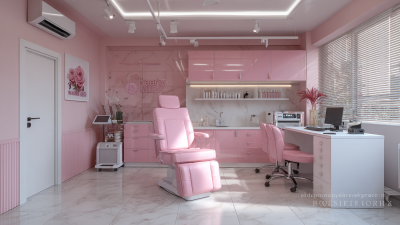
In the fast-changing world of beauty and wellness, it’s no surprise that demand for good quality Facial Beds has really picked up. These beds are more than just furniture – they’re a key part of making clients comfortable and ensuring treatments go smoothly. Seriously, finding the right Facial SPA Bed can totally boost the client’s experience and make your services stand out.
Now, many exporters out there focus on ODM and OEM manufacturing of spa beds. They bring a lot of expertise to the table, often coming up with fresh designs and using cool materials. But here’s the thing – not all brands are created equal. It’s super important to do a bit of homework, check out their reputation, and see what other customers are saying. Some companies might not be totally transparent about how they make their beds or might fall short on safety standards.
Looking at the top exporters, you’ll notice a whole range of options. Some are pros at making stylish, eye-catching designs, while others are known for how tough and durable their beds are. Making a solid investment in a dependable Facial Bed is a big deal for any spa owner. But, honestly, the process of choosing the right exporter can sometimes feel like a maze – sometimes there’s not enough info, or the quality isn’t consistent. So take your time, dig into what each brand offers, and pick what feels right for you. That way, you can be confident you’re making a smart choice in the long run.
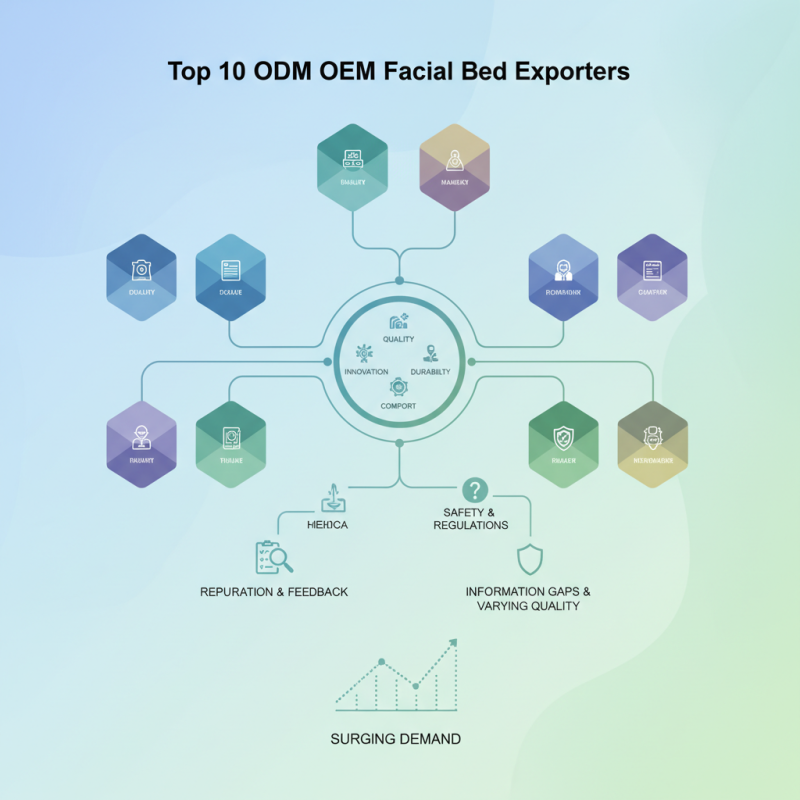
Definition and Importance of ODM and OEM in the Facial Bed Market
In the facial bed market, ODM (Original Design Manufacturer) and OEM (Original Equipment Manufacturer) play crucial roles. ODM offers design services and can manufacture products based on a brand's vision. This allows for unique features tailored to market demands. Their expertise in design innovation adds significant value. However, not all ODMs guarantee quality or originality, necessitating careful supplier selection.
OEM, on the other hand, focuses on manufacturing. These companies produce products based on existing designs provided by brands. They ensure that the final product meets specified standards. OEM relationships can streamline production and reduce costs. Nevertheless, the reliance on manufacturers can pose risks. Brands must ensure the OEM adheres to quality controls.
Understanding the dynamics of ODM and OEM is essential for businesses. A strong partnership can enhance product offerings and boost market presence. Still, the dependence on these manufacturers can limit a brand's ability to adapt quickly. Brands should maintain a balance between innovation and production reliability. Exploring these relationships can lead to better results, but pitfalls lie in oversights.
Top 10 ODM OEM Facial Bed Exporters You Should Know
| Rank | Country | Annual Export Volume | OEM Services Offered | ODM Services Offered | Market Share (%) |
| 1 | China | 500,000 units | Yes | Yes | 35% |
| 2 | USA | 300,000 units | Yes | No | 25% |
| 3 | Germany | 200,000 units | No | Yes | 15% |
| 4 | Italy | 150,000 units | Yes | No | 10% |
| 5 | Japan | 100,000 units | No | Yes | 8% |
| 6 | South Korea | 80,000 units | Yes | No | 5% |
| 7 | France | 70,000 units | Yes | Yes | 4% |
| 8 | Turkey | 60,000 units | Yes | No | 3% |
| 9 | Russia | 50,000 units | No | Yes | 2% |
| 10 | India | 40,000 units | Yes | No | 1% |
Key Factors Influencing the Success of Facial Bed Exporters
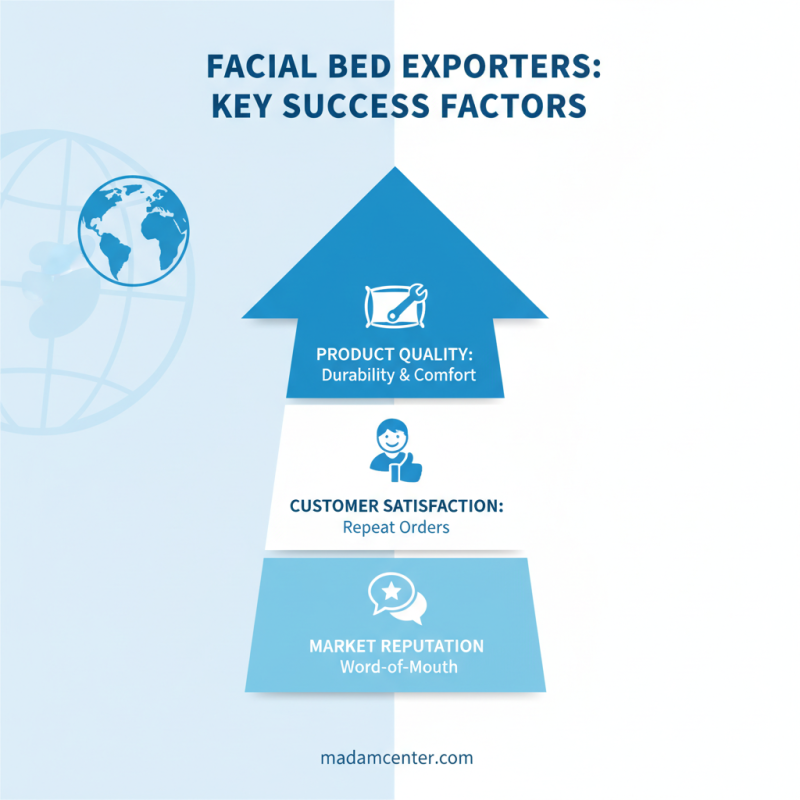
When it comes to facial bed exporters, several key factors determine their success in the market. One crucial factor is product quality. Buyers prioritize durability and comfort in a Facial Bed For Salon. Exporters focusing on high-quality materials often see better customer satisfaction. This can lead to repeat orders and positive word-of-mouth.
Another aspect is innovation. The beauty industry evolves rapidly, and exporters must adapt. Introducing new designs or multifunctional features can set a brand apart. Additionally, understanding regional preferences is vital. For instance, some markets favor minimalistic styles, while others may seek elaborate designs. Gathering feedback from local clients can guide product development.
Pricing strategy also plays a significant role. Competitive pricing attracts more buyers. However, exporters must not compromise quality to reduce costs. Finding the right balance can be challenging. It requires constant market research and adjustments. Lastly, establishing strong communication channels with importers can foster long-term relationships. These relationships are beneficial for navigating challenges and making improvements.
Top 10 ODM OEM Facial Bed Exporters: An Overview
The global beauty and wellness industry shows steady growth, driven by increased consumer spending on personal care. Recent reports indicate that the ODM (Original Design Manufacturer) and OEM (Original Equipment Manufacturer) sectors for facial beds are expanding, reflecting a strong demand for customizable and high-quality equipment in beauty salons. Expert analysis suggests the demand for functional and aesthetically pleasing facial bed designs is pivotal in attracting clientele.
Several leading exporters have emerged in this competitive landscape. They offer a variety of features, such as adjustable height, padding comfort, and eco-friendly materials. Industry insights reveal that over 70% of beauty professionals prioritize functionality when selecting facial beds. However, it’s crucial to reflect on the balance between cost and quality. Some cheaper options may lack durability, leading to potential replacements.
As consumers seek luxurious experiences in Facial Bed Salons, exporters must innovate continuously. Emerging trends indicate the importance of incorporating smart technology into facial beds, enhancing user experience. Addressing these demands requires not just technical expertise, but an understanding of evolving customer preferences. The challenge remains for exporters to stay ahead while ensuring affordability and quality in their offerings.
Top 10 ODM OEM Facial Bed Exporters Overview
Profile of Leading Exporters and Their Unique Offerings
When considering ODM and OEM facial bed exporters, insights into their unique offerings play a vital role. Many exporters focus on innovation to keep pace with industry demands. They prioritize ergonomic designs that enhance user comfort, ensuring an optimal experience for clients during treatments. Notably, some companies specialize in eco-friendly materials, appealing to the growing market for sustainable products.
Quality control remains a crucial aspect for these exporters. Some firms invest heavily in certifications that demonstrate their commitment to safety and durability. However, not all achieve the same standards. This inconsistency can lead to challenges for businesses relying on these products for customer satisfaction. It’s essential for potential buyers to research each exporter thoroughly to gauge their reliability.
Additionally, customization options are often a highlight among leading exporters. Personalization can cater to the specific needs of spas and clinics. Unfortunately, not every company is transparent about their capabilities. This lack of clarity can create hesitation for buyers. Ultimately, understanding each exporter’s strengths and weaknesses is necessary for making informed decisions.
Market Trends Shaping the Future of Facial Bed Exports
The market for facial beds is evolving rapidly. Growing wellness trends are driving demand for quality and innovative designs. According to a recent report by Grand View Research, the global spa and wellness market is projected to reach $4.5 trillion by 2025. This shift opens opportunities for ODM and OEM exporters focused on delivering high-quality products.
Manufacturers are adapting to consumer preferences. Eco-friendly materials and ergonomic designs are increasingly popular. A survey by IBISWorld noted that 60% of spas look for sustainability in their equipment. This trend indicates a need for exporters to reassess their materials and production methods. Staying updated on market demands is essential for success.
Tips: Focus on quality control. Small imperfections can impact your reputation significantly. Also, invest in R&D. Innovation plays a crucial role in standing out. Lastly, consider customization options. Tailored products meet diverse client needs and enhance customer satisfaction.
Challenges Faced by ODM OEM Exporters in the Beauty Industry
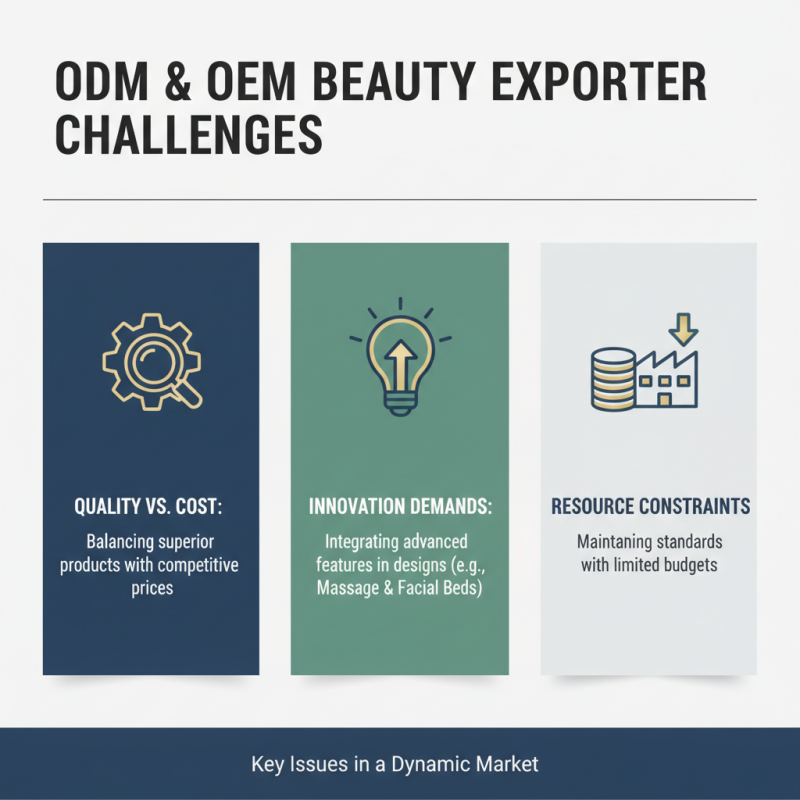
The beauty industry is constantly evolving, yet ODM and OEM exporters face distinct challenges. One primary issue is ensuring product quality while maintaining competitive pricing. As clients demand innovative features in their Massage And Facial Bed designs, exporters must balance these requirements. They often work with limited resources, making it tough to keep standards high without driving up costs.
Another challenge is the rapid shift in market trends. Customer preferences change frequently, especially in the beauty sector. Exporters need to stay ahead of trends to satisfy evolving demands. This requires continuous research and development, which can strain budgets and resources. Additionally, many exporters grapple with regulatory compliance. Meeting different international standards can be complicated and costly, leading to potential delays in shipments.
Navigating supply chain disruptions is also a critical concern. Events like global pandemics or political issues can affect material availability. Exporters must build resilient strategies to adapt quickly. Some producers may fall short in maintaining effective communication throughout their supply chains. This can lead to misunderstandings, flawed designs, and missed deadlines, highlighting the need for improvement in operational practices.
Tips for Choosing the Right ODM OEM Partner for Facial Beds
When choosing an ODM OEM partner for Facial Beds, clarity is crucial. Start by assessing their experience in manufacturing. A partner with a solid track record in producing high-quality facial beds signals reliability. Check their portfolio to see previous designs and innovations. This step helps you gauge their expertise and understand their capabilities.
Another key aspect is communication. Effective dialogue ensures your needs and expectations are met. Look for partners who are responsive and willing to collaborate. Ask questions about their processes. Understanding how they handle production and quality control is essential. Be cautious of partners who provide vague answers or are hard to reach.
Lastly, consider customer feedback and testimonials. Reliable partners often have positive reviews from other businesses. These insights provide a clearer picture of what to expect. However, don't just focus on the stars; look for constructive criticism as well. This information can help you identify potential pitfalls and choose a partner who aligns with your vision for facial beds.
Maximizing Client Comfort and Treatment Efficiency with 0712 Electric Beauty Spa Bed: Insights from the Latest Spa Industry Reports
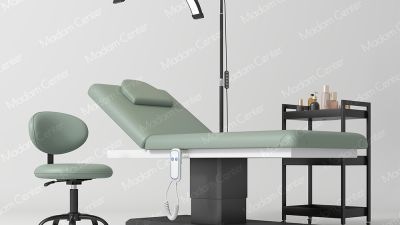
The spa industry is continually evolving, with new trends focusing on client comfort and treatment efficiency. According to the latest industry reports, the integration of advanced technology in spa equipment significantly enhances the overall client experience. One of the standout products in this arena is the 0712 Electric Beauty Spa Bed, which exemplifies how modern design and functionality can converge to meet consumer needs.
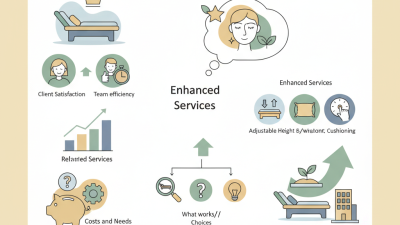
Recent statistics indicate that about 70% of spa clients prioritize comfort and relaxation during treatments, which makes the ergonomic design of a treatment bed crucial. The 0712 Electric Beauty Spa Bed features adjustable height and angle settings, allowing estheticians to customize the bed position effortlessly, ensuring optimal comfort for each client. Moreover, reports show that 60% of clients are more likely to return to a spa that offers state-of-the-art facilities, underscoring the importance of investing in high-quality equipment that enhances the treatment experience.
Efficiency is another key factor, as spa businesses seek to reduce treatment times without compromising quality. The 0712 bed’s electric functionality not only allows for quick adjustments between services but also provides stability and support during various treatments. This feature is particularly relevant in a fast-paced spa environment, where efficient operations can lead to increased client turnover and revenue. As the spa industry continues to grow, prioritizing both client comfort and operational efficiency will be essential for success, with products like the 0712 Electric Beauty Spa Bed leading the way.
FAQS
: ODM provides design services and manufactures products based on a brand's vision. They add unique features.
OEM focuses on manufacturing products based on existing designs. They ensure products meet specified quality standards.
Exporters struggle with maintaining quality while keeping costs low. Balancing innovation and price is difficult.
As clients demand innovative features, maintaining high quality within budget constraints becomes a challenge.
Rapidly changing customer preferences require exporters to stay ahead of trends. This often strains their resources.
Meeting international standards can be complicated and costly, causing potential delays in shipments.
Events like pandemics can affect material availability. Adaptation strategies are essential for resilience.
Ineffective communication can lead to misunderstandings and missed deadlines. Improvement in this area is crucial.
Dependence on ODMs and OEMs might limit a brand's ability to adapt quickly to market changes.
Brands need to ensure quality and reliability. Careful supplier selection is necessary to avoid future pitfalls.
Conclusion
The article "Top 10 ODM OEM Facial Bed Exporters You Should Know" provides a comprehensive overview of the importance of ODM (Original Design Manufacturer) and OEM (Original Equipment Manufacturer) in the facial bed market. It emphasizes how these manufacturing models are essential for delivering high-quality and innovative beauty products. Key factors influencing the success of facial bed exporters include market trends, customer preferences, and technological advancements, which are vital for staying competitive in the beauty industry.
Furthermore, the article explores the profiles of leading facial bed exporters, highlighting their unique offerings and differentiators. It also addresses the challenges faced by ODM and OEM exporters within the beauty sector, particularly in adapting to evolving consumer demands and overcoming operational hurdles. Finally, potential partners are provided with practical tips for selecting the right ODM OEM collaborator in the facial bed market to ensure successful partnerships and sustainable growth.

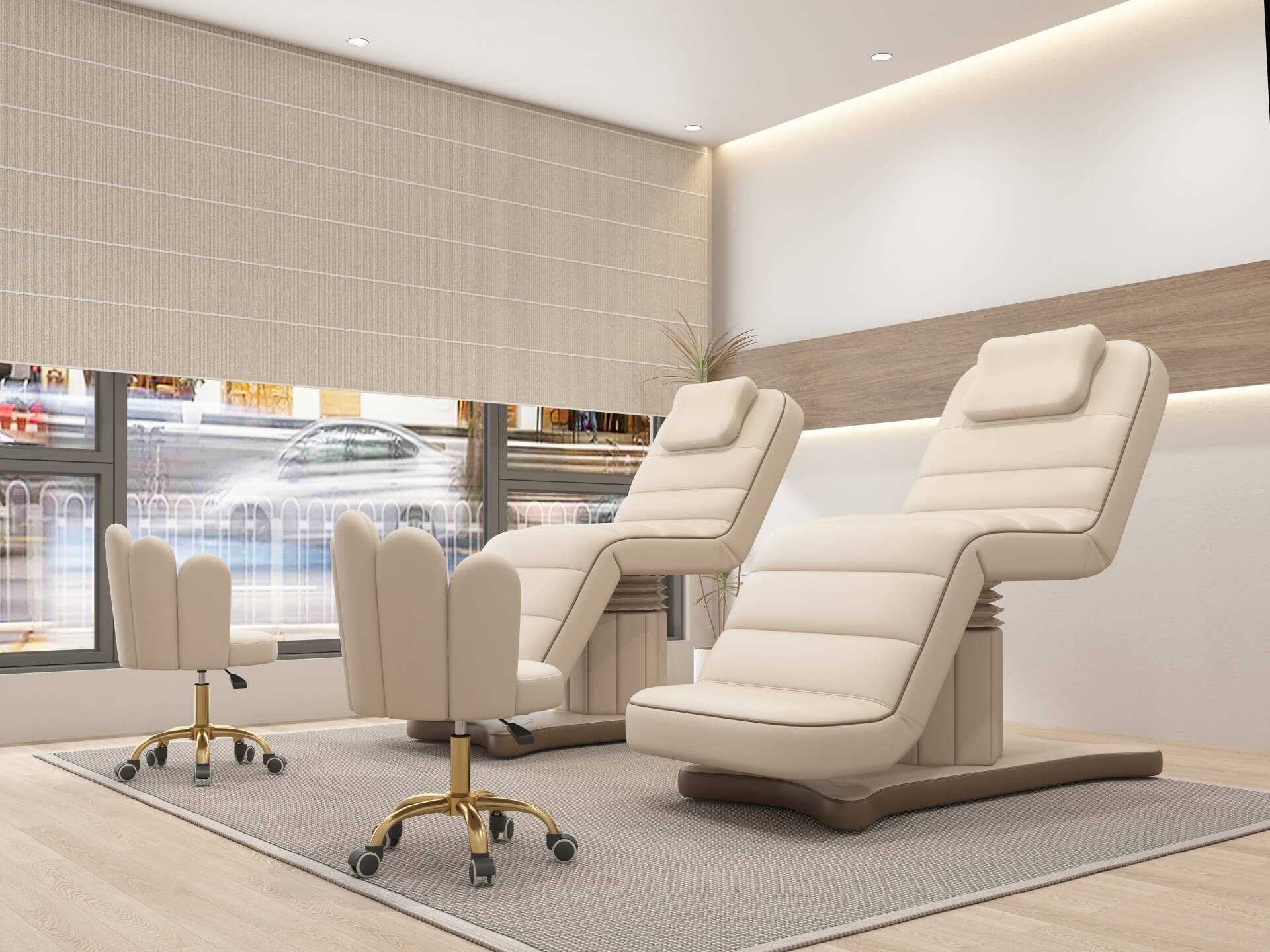 Skincare & Spa
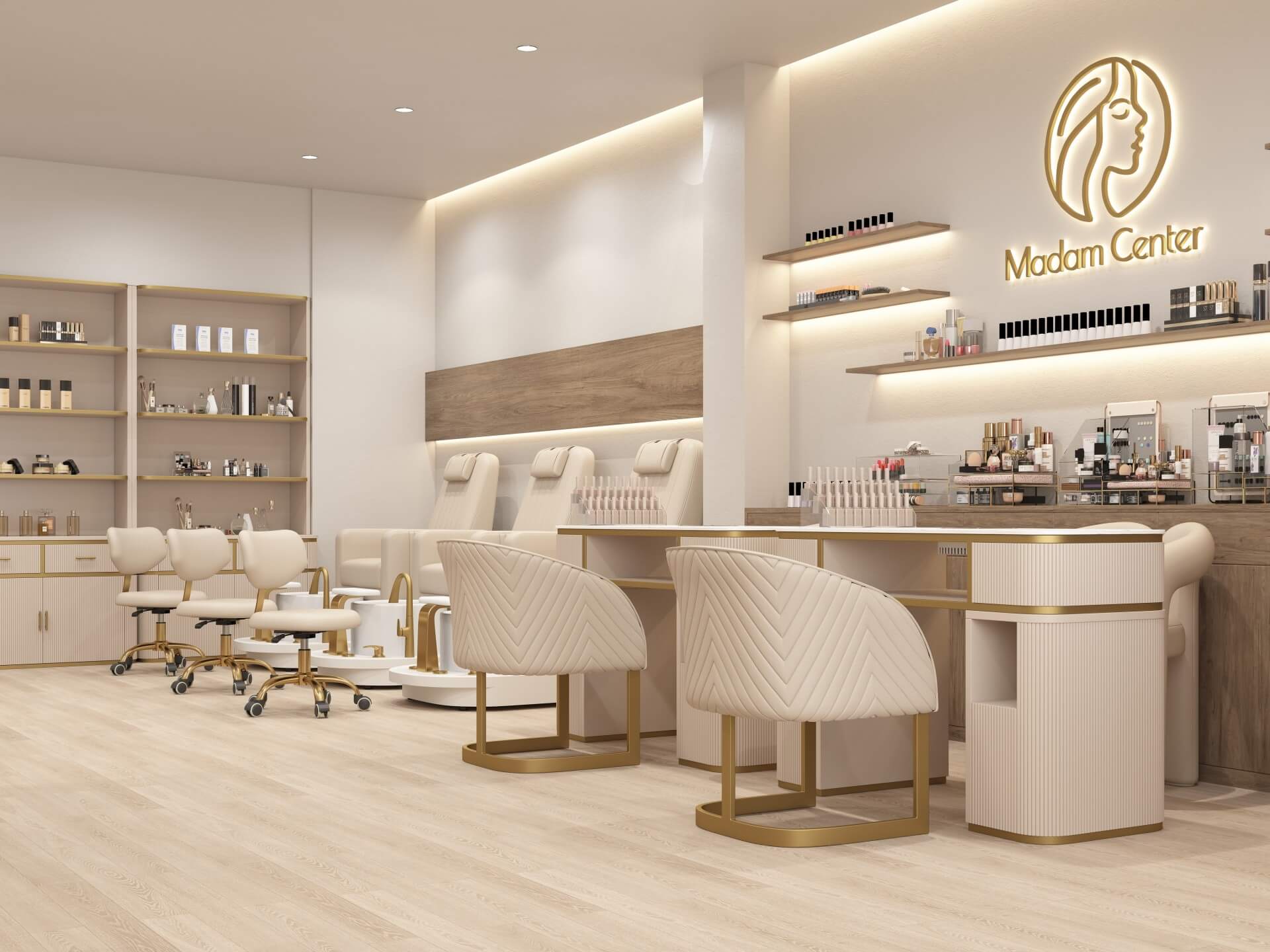 Nail Salon
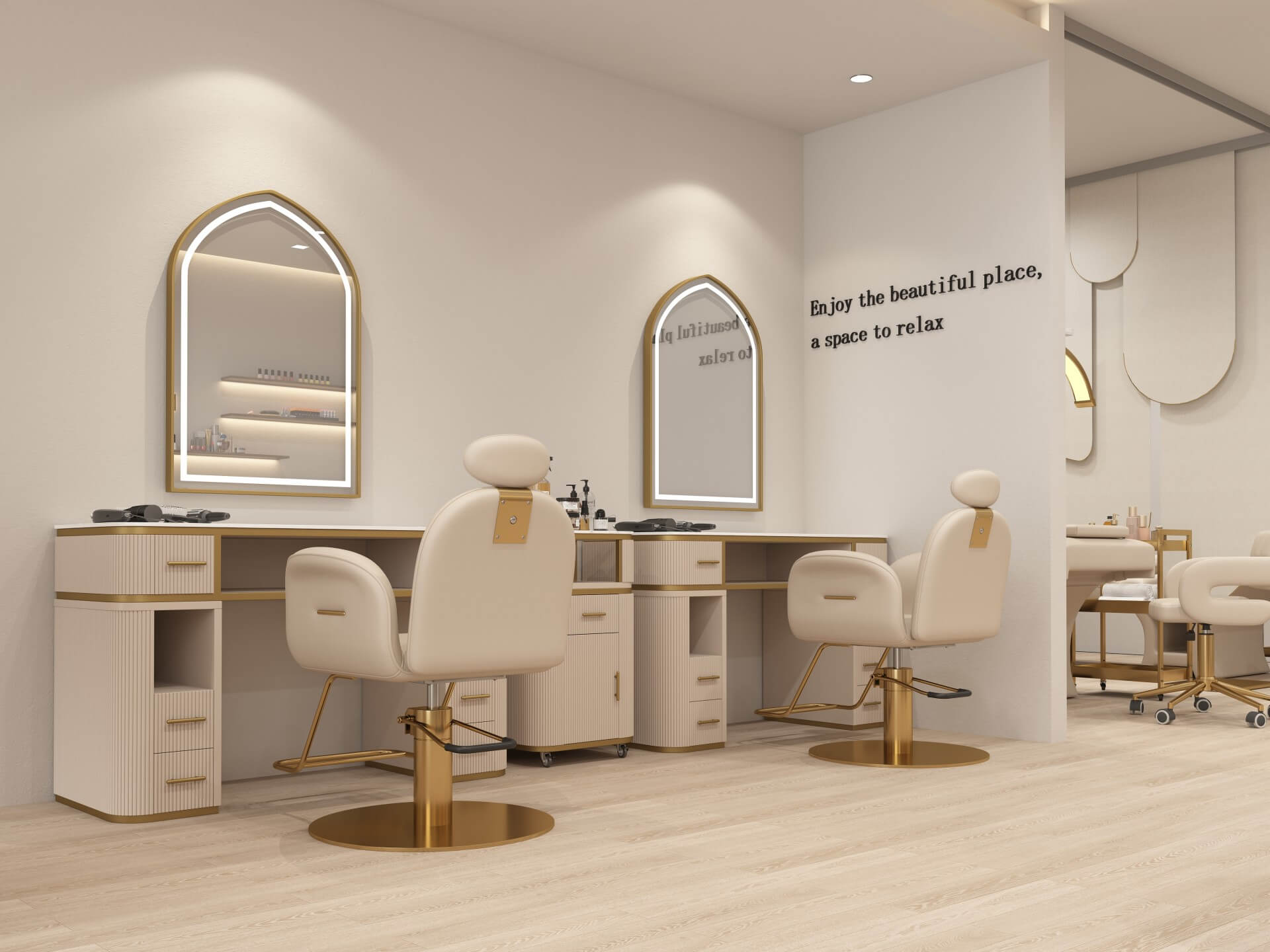 Hair Salon
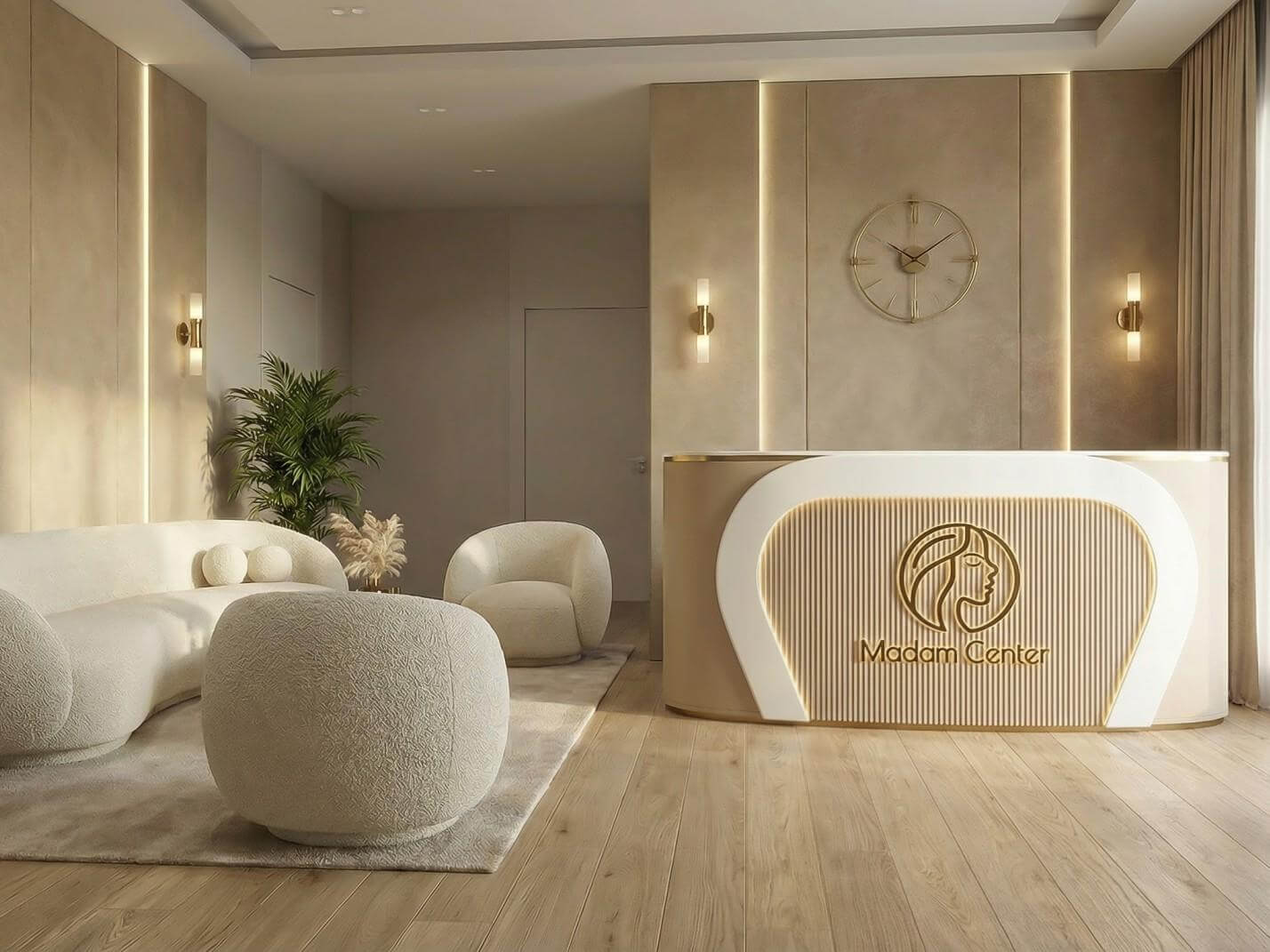 Salon Reception
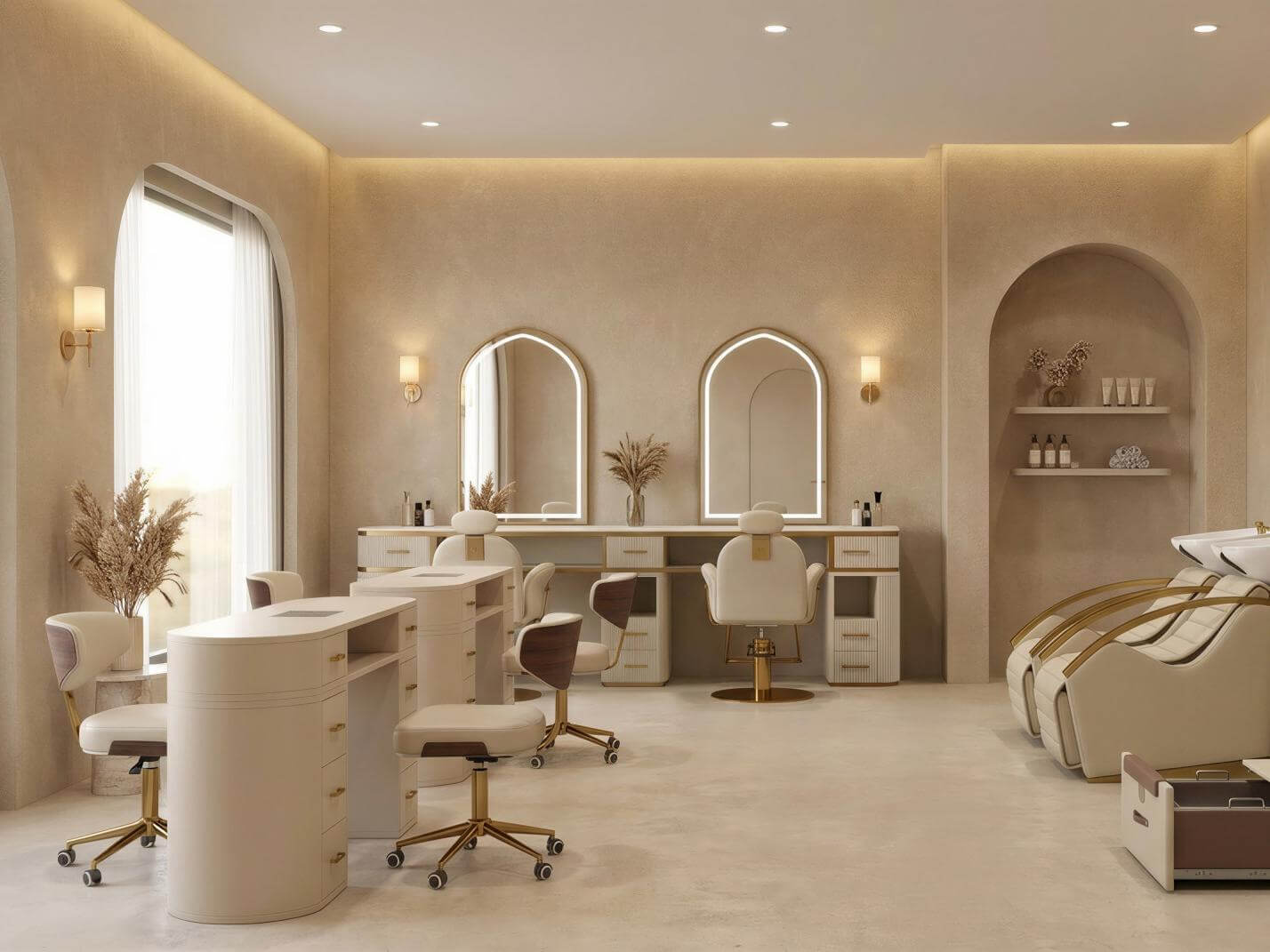 Parts