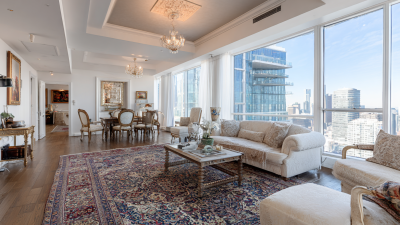
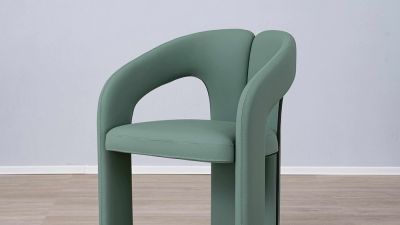
As we gear up for 2026, the furniture world is pretty exciting right now—lots of interesting shifts happening. One trend that's really catching people's eye is Nail Furniture. It’s this cool mix of style and practical use that seems perfect for our modern lives. And honestly, it's not just about making furniture look good; it’s also built to last and comfortable enough for daily use, which is a huge plus.
Designers from different brands are really pushing for sustainability these days. Eco-friendly materials are becoming the standard, which is awesome because it shows more awareness about our impact on the environment. Nail Furniture pretty much combines great craftsmanship with eco-conscious choices, so it’s attractive to folks who care about style but also want to do their part for the planet. Plus, a lot of these designs lean into minimalism and are super versatile, fitting into many different spaces.
That said, it’s worth mentioning that not everything in this trend is perfect. Sometimes, Nail Furniture might not hit the quality mark that buyers expect. So, it’s always a smart move to do some research before dropping your money on it. Looking ahead, places like Furniture Salon Furniture are jumping on the same bandwagon, embracing these trendy ideas, but quality still should be top priority.
Bottom line? As consumers, we need to stay in the loop and make informed choices when it comes to furniture. There’s a lot of great stuff out there, but a little homework goes a long way in getting the best deal and quality.
Top 10 Nail Furniture Trends for Global Buyers in 2026
As we look ahead to 2026, the nail furniture market is set to evolve significantly. According to a recent report by Grand View Research, the global market for nail furniture is expected to reach $10 billion by 2026, fueled by growing consumer interest in home aesthetics. This trend emphasizes functional design, combining beauty with utility, which resonates with a broad spectrum of buyers.
Sustainability is a crucial focus for 2026. Reports indicate that 70% of consumers prefer furniture made from eco-friendly materials. Reclaimed wood and biodegradable composites will likely dominate the market. Buyers are seeking products that minimize environmental impact, reflecting a deeper societal shift towards sustainability. However, the challenge remains in balancing cost and sustainability. Not all consumers can afford high-end eco-friendly options.
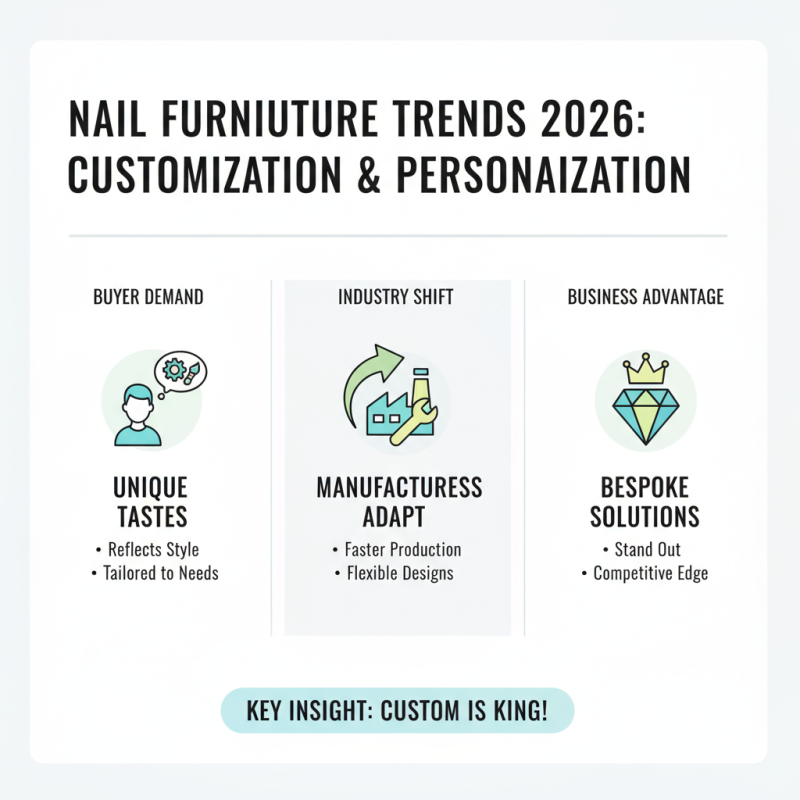
Customization is another trend projected for 2026. Shoppers increasingly desire unique pieces that reflect their personal style. This trend may lead to a proliferation of bespoke options. Yet, customization presents hurdles regarding production efficiency. Manufacturers must find ways to streamline these processes while maintaining quality. A disconnect still exists between consumer expectations and production capabilities. Adaptability will be key for brands aiming to meet these demands successfully.
Emerging Materials and Sustainable Practices in Nail Furniture Design
In recent years, nail furniture design has evolved significantly. Emerging materials and sustainable practices have become central themes for global buyers. Designers are now exploring innovative materials like recycled plastics and bamboo. These options offer durability while reducing environmental impact. Consumers increasingly appreciate the value of sustainability in their choices.
Tips: Consider the lifespan of your furniture. Durable, sustainable materials ultimately save money. Research local resources that promote eco-friendly designs. This could include local artisans skilled in crafting unique items.
Additionally, minimalistic designs have gained traction. Clean lines and functional forms appeal to modern aesthetics. However, some designs may sacrifice comfort for style. Balancing these elements is critical for successful nail furniture.
More buyers are interested in transparency regarding sourcing practices. They want to know where materials originate. This shift encourages manufacturers of OEM Furniture and Salon Furniture to adopt ethical standards. Clear marketing around these practices builds trust with consumers. Emphasizing sustainability and responsible sourcing can enhance brand loyalty.
Innovative Ergonomics: Enhancing Comfort in Nail Furniture
In the world of nail furniture, innovative ergonomics is a key trend for 2026. Designers focus on enhancing comfort without compromising style. Chairs, tables, and tools are evolving to support prolonged use. This shift helps professionals maintain comfort during long hours of work.
Comfort-driven designs often incorporate adjustable features. Look for chairs that offer lumbar support and armrests. Tables should have a comfortable height to reduce strain on the back. Clients deserve a relaxing experience as well. Cozy furniture can transform a salon ambiance.
Tips: Test the furniture before purchasing. Sit on chairs to assess comfort level. Pay attention to material quality, as it affects durability. Always consider how furniture complements the overall salon design. Finding the right balance between aesthetics and function is essential for long-term success. Enhancing comfort should always be a priority.
Color Palettes and Aesthetic Choices in 2026 Nail Furniture
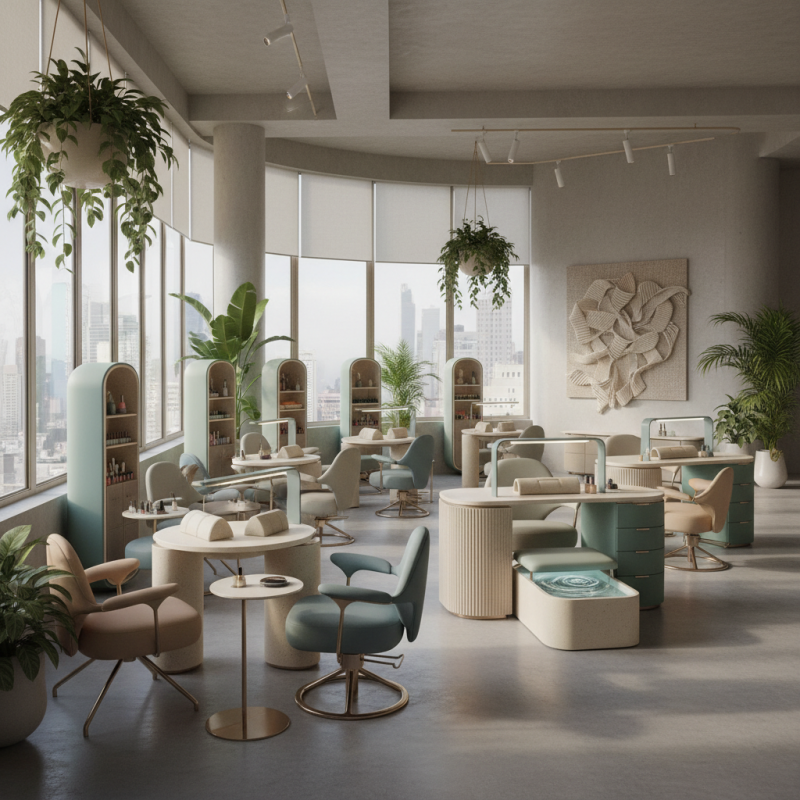
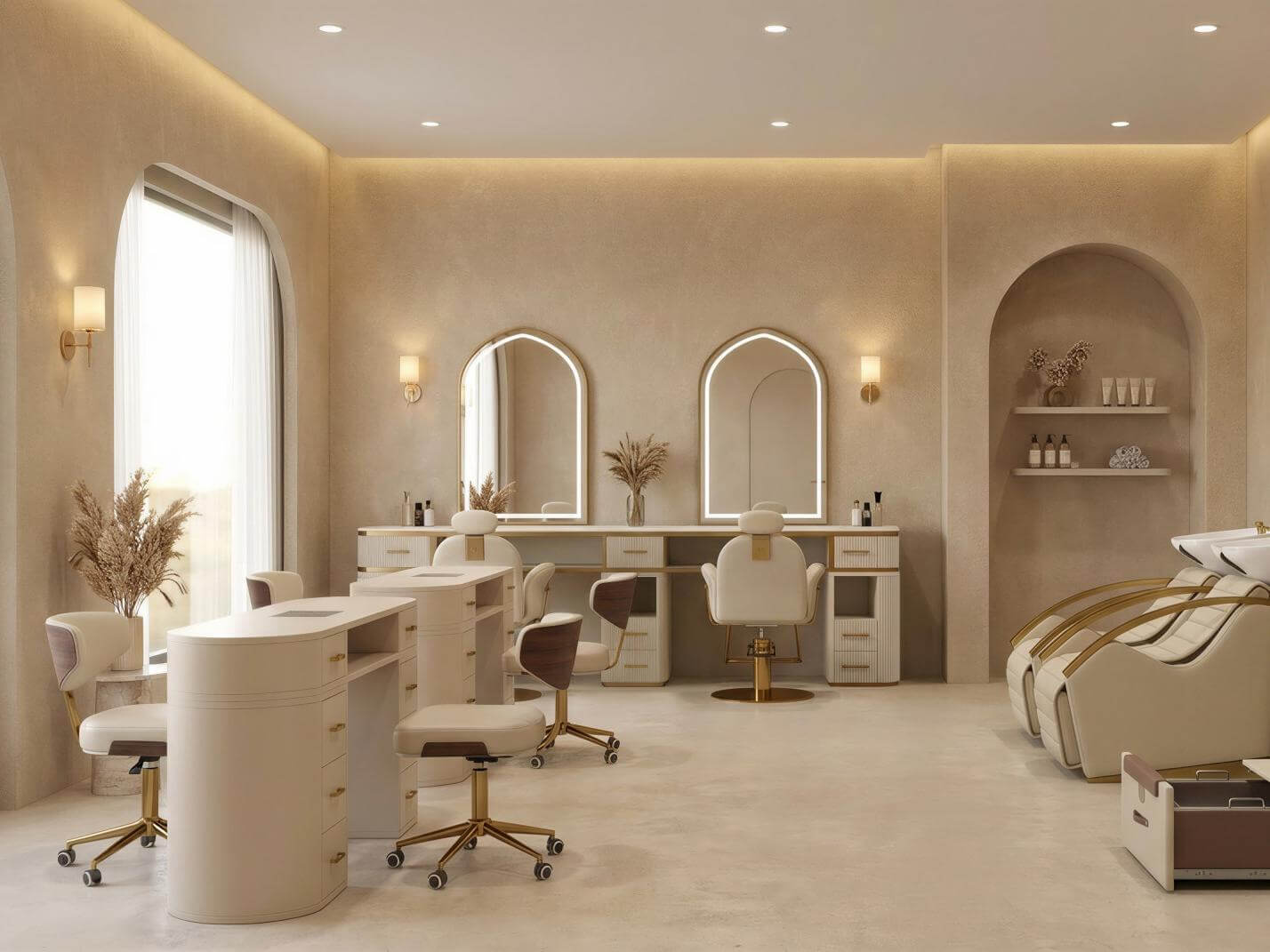
As we look ahead to the nail furniture trends in 2026, color palettes will play a crucial role. Subtle earth tones are emerging as favorites. Shades like sage green and terracotta resonate with those seeking a calming aesthetic. In contrast, bold hues, such as deep blue and vibrant coral, attract attention, creating focal points in nail salons.
Texture will also influence these aesthetic choices. Matte finishes evoke sophistication, while glossy surfaces add a modern touch. Combining these textures can elevate the overall design. Additionally, the integration of natural materials fosters a connection with the environment, appealing to eco-conscious buyers.
In terms of styling, flexibility is key. Most clients desire furniture that can adapt to various themes and color schemes. This reflects evolving trends in personalization. Designers must reflect on how to create ODM Furniture Salon Furniture that caters to diverse tastes while maintaining quality. Balancing creativity with functionality may require thoughtful experimentation.
Smart Technology Integration in Nail Furniture Designs
As we approach 2026, the nail furniture industry is evolving rapidly. Smart technology is becoming a key element in the design of nail furniture. Imagine furniture that can adjust its lighting based on your mood or even track customer preferences. Such innovations enhance the customer experience and create a more personalized environment.
Consider designing a nail salon with integrated smart devices. These could monitor the cleanliness of tools and offer reminders for maintenance. A smart scheduling system could streamline bookings, reducing wait times. These are practical improvements that increase efficiency and customer satisfaction.
Here are some tips for incorporating smart technology into nail furniture:
- Look for multi-functional pieces. Furniture that adapts can optimize space.
- Use materials that support technology. High-Quality Furniture Salon Furniture can be both stylish and functional.
- Keep user experience at the forefront. Technology should simplify, not complicate, the salon environment.
Embracing technology will not be without challenges. Monitoring equipment can be costly and requires constant updates. There is a learning curve for staff as well.
Despite these hurdles, the investment could pay off significantly in customer loyalty and satisfaction. Cultural Influences on Nail Furniture Trends Worldwide
Cultural influences play a significant role in shaping nail furniture trends globally. The demand for unique designs often reflects regional aesthetics and traditions. For instance, Scandinavian designs emphasize minimalism, while Asian styles may incorporate intricate patterns and vibrant colors. According to industry reports from MarketsandMarkets, the global furniture market is expected to reach $650 billion by 2026, with a notable surge in demand for nail and salon furniture.
Local tastes dictate preferences in materials and styles. In Western markets, there is a growing appreciation for sustainable materials. Consumers often seek eco-friendly options that align with their values. In contrast, luxury markets in the Middle East favor opulent designs. This disparity highlights the need for global suppliers to adapt their offerings. A reliable Furniture Salon Furniture Supplier understands these cultural nuances to cater to specific markets effectively.
As trends evolve, manufacturers face the challenge of balancing tradition with modernity. The rise of social media influences styles, pushing buyers to seek the latest trends while remaining culturally anchored. This dynamic landscape necessitates constant innovation, but it can lead to oversaturation. Finding the right blend of creativity and cultural relevance is crucial for success in the nail furniture industry.
Customization and Personalization: Meeting Buyer Preferences
In 2026, customization and personalization will be at the forefront of nail furniture trends. Buyers increasingly want pieces that reflect their unique tastes. This shift requires manufacturers to adapt quickly. A focus on bespoke solutions can set businesses apart in a competitive market.
Tip: Engage with your clients directly. Ask about their preferences and gather insights. This can help tailor products to specific needs. Small adjustments, like color or material choices, can make a significant impact.
Buyers also seek sustainable and ethical options. Sustainable wood, recyclable materials, and eco-friendly finishes are critical trends. However, balancing sustainability with aesthetics is vital. Some designs may sacrifice form for function. Reflecting on these aspects can enhance a buyer's overall experience.
Tip: Don’t rush the design process. Allow for trial and error. Testing different configurations can lead to unexpected but successful results. Personalization doesn’t only mean meeting existing demands; it also involves pushing creative boundaries.
Enhancing Client Experience: Insights from the 2023 Nail Salon Market Report on the Importance of Ergonomic Nail Technician Chairs
As the beauty industry continues to evolve, the 2023 Nail Salon Market Report highlights the critical role of ergonomic nail technician chairs in enhancing client experiences. According to recent surveys, nearly 70% of salon clients indicate that their comfort during the service significantly influences their overall satisfaction. This correlation emphasizes the necessity of investing in ergonomic furniture designed to promote optimal posture and reduce fatigue for nail technicians.
The report reveals that salons equipped with ergonomic chairs not only improve the technicians’ efficiency but also contribute to longer client retention rates. Data shows that salons prioritizing ergonomic solutions witness up to a 30% increase in repeat visits. This is largely attributed to the feeling of care and professionalism conveyed through a comfortable and inviting space. As nail technicians work long hours, the reduction of strain through ergonomic design directly impacts their performance, leading to higher-quality service and clientele satisfaction.
In light of these findings, salon owners are encouraged to reevaluate their furniture investments. Ergonomic chairs, particularly those featuring adjustable heights and lumbar support, can significantly enhance both technician well-being and client comfort. By fostering an environment that prioritizes ergonomics, salons can not only improve service delivery but also create a lasting positive impression on their clients, ultimately driving business growth.
FAQS
: Subtle earth tones like sage green and terracotta are becoming popular. Bold colors like deep blue also stand out.
Matte finishes add sophistication, while glossy surfaces provide a modern touch. Combining these textures enhances overall appeal.
Clients want adaptable furniture for various themes. Personalization is key to reflecting diverse tastes and preferences.
Smart technology can adjust mood lighting and enhance customer experiences. It helps track preferences and manages bookings efficiently.
Smart devices can monitor tool cleanliness and send maintenance reminders. This ensures a hygienic environment for clients.
Choose multi-functional furniture to maximize space. Use tech-friendly materials and prioritize user experience in design.
Costs for monitoring equipment can be high. There’s also a learning curve for staff, which requires ongoing training.
Streamlined bookings and personalized experiences enhance customer loyalty. Investments in smart tech can lead to greater satisfaction.
Yes, the benefits of improved efficiency and customer experience may outweigh the difficulties. Experimentation is necessary for growth.
Trends change frequently. Regular assessment ensures the designs remain relevant and appealing to customers’ evolving tastes.
Conclusion
The upcoming trends in Nail Furniture for 2026 showcase a dynamic shift towards sustainability and innovation. As global buyers increasingly seek environmentally friendly options, emerging materials and sustainable practices are becoming central to Nail Furniture design. The focus on innovative ergonomics aims to enhance user comfort, making furniture not just visually appealing but also practical.
Color palettes and aesthetic choices reflect contemporary tastes, while the integration of smart technology promises to revolutionize traditional Nail Furniture designs, offering more functionality and interactivity. Additionally, cultural influences around the world are shaping diverse trends, with customization and personalization being paramount in meeting buyer preferences. Overall, the Nail Furniture market is poised for an exciting evolution in 2026, reflecting the needs and desires of a modern consumer base.

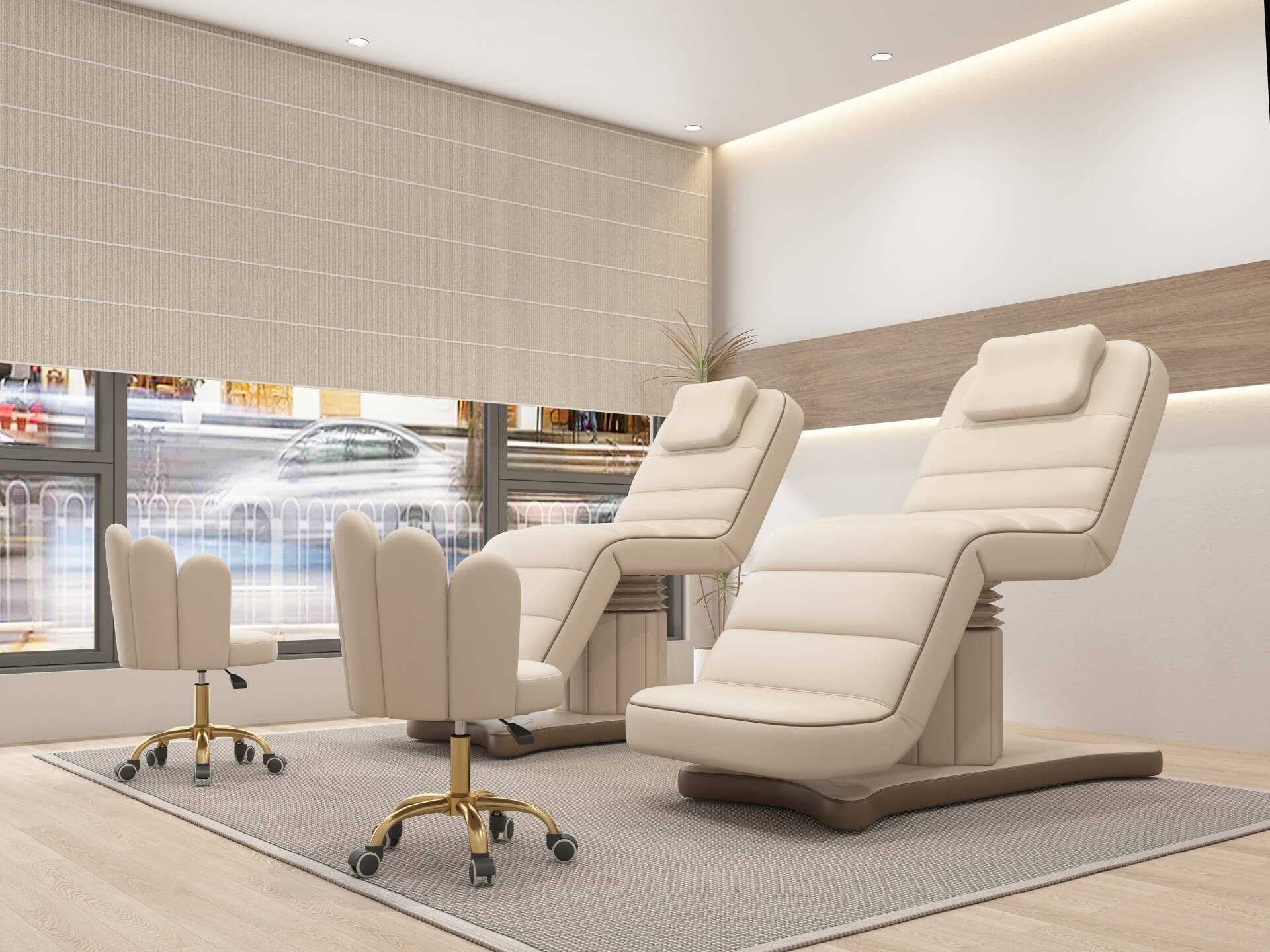 Skincare & Spa
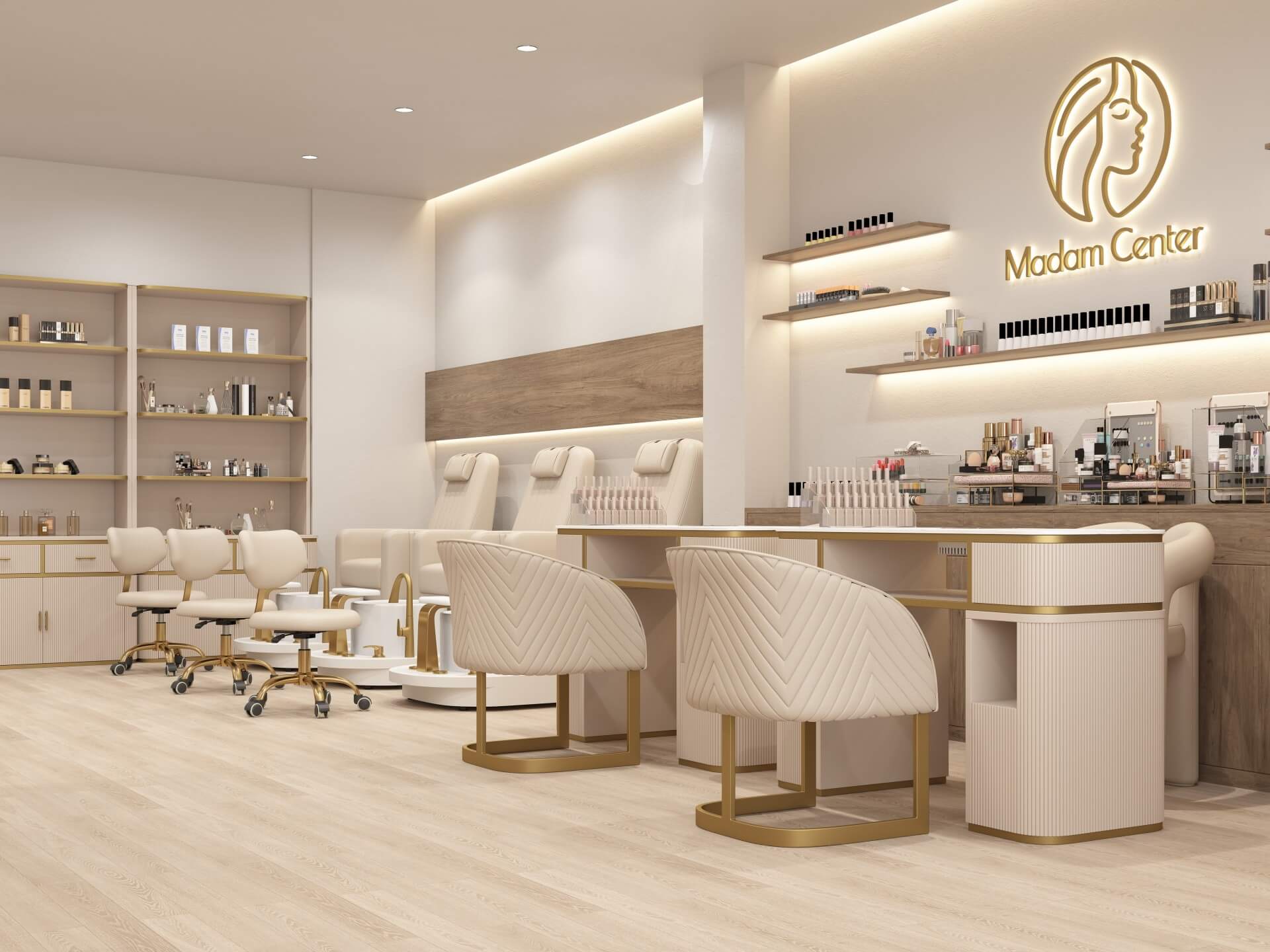 Nail Salon
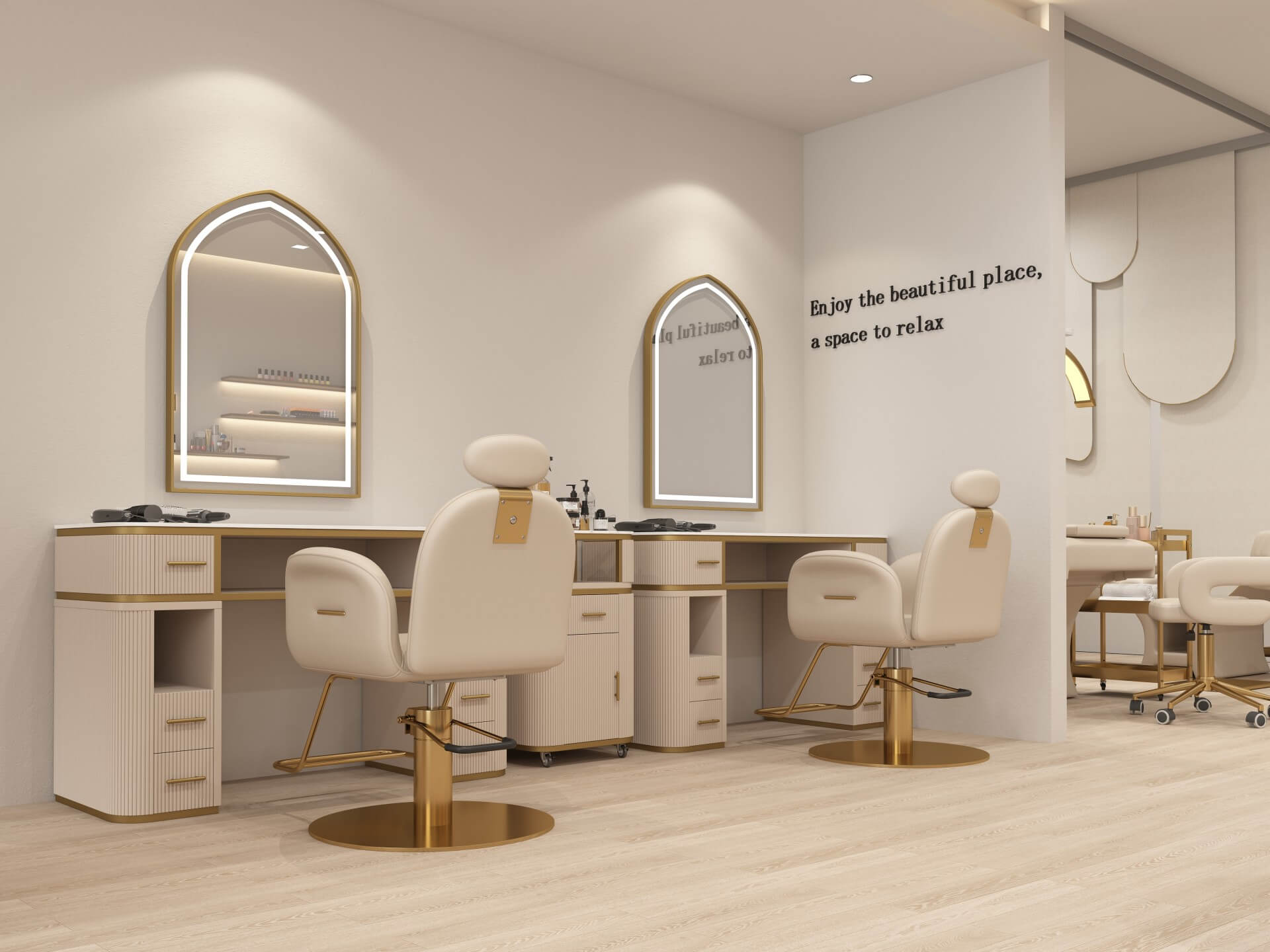 Hair Salon
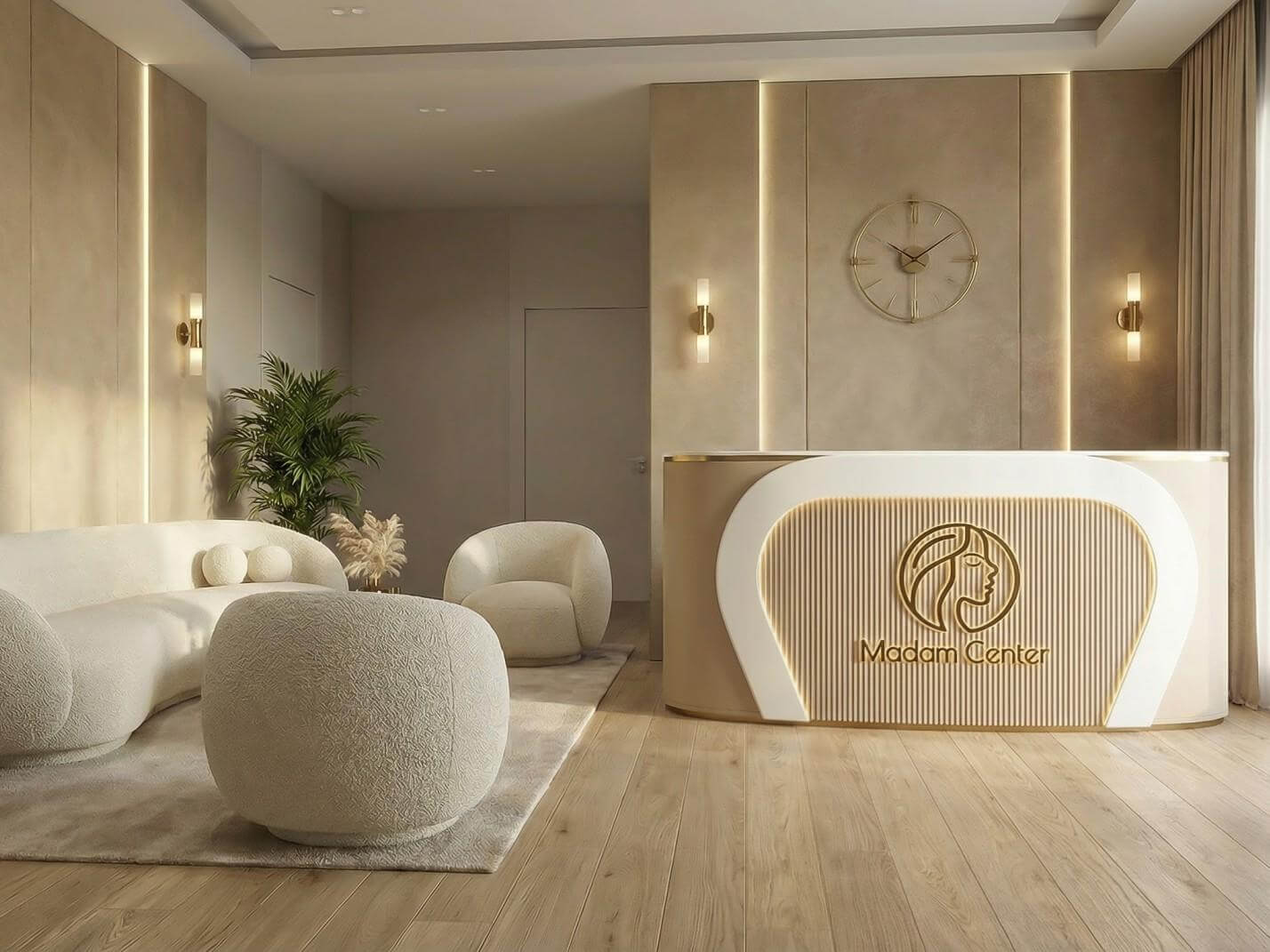 Salon Reception
 Parts