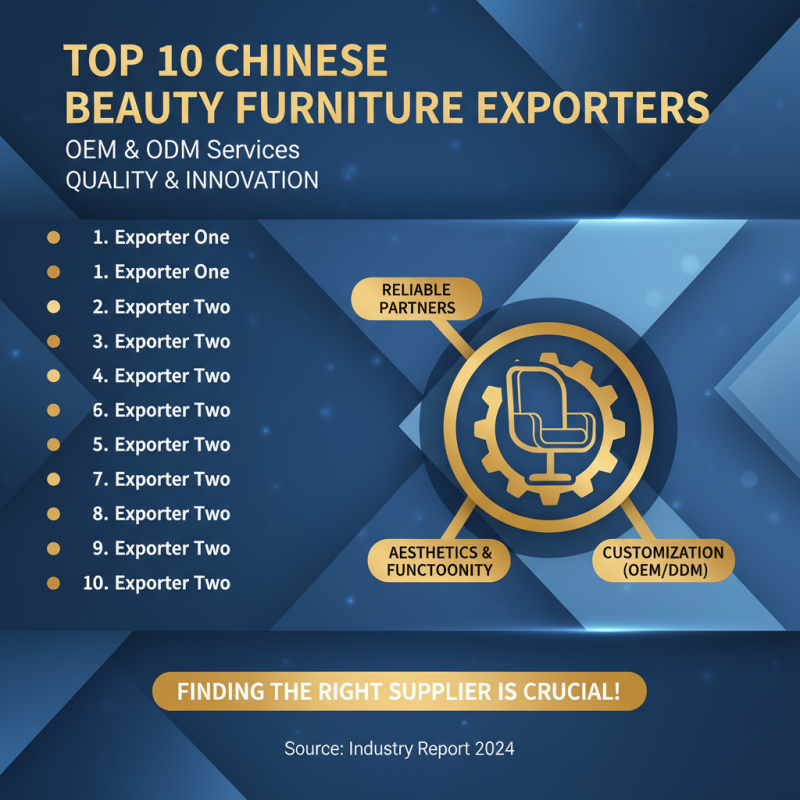
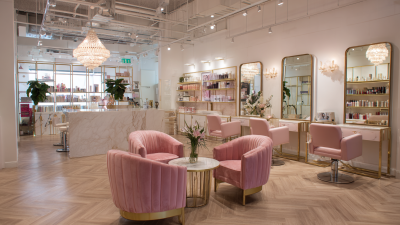
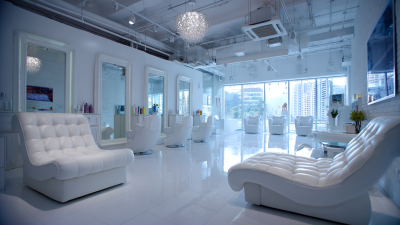
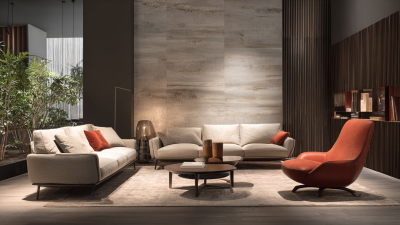
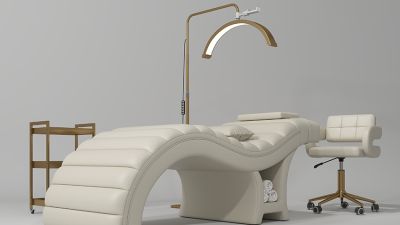
Hey, if you're diving into the world of Beauty Furniture, understanding who the top exporters are is really important. I mean, according to Dr. Emily Wu—she's a pretty big deal in the industry—'Quality and innovation are what really drive success in this competitive market.' And honestly, that's so true, especially for OEM and ODM manufacturers that focus on creating custom solutions for beauty salons and clinics.
The whole sector has been growing a lot lately, mainly because there's more demand than ever for personalized, tailored products. Companies like [Beauty And The Beast Furniture](https://www.madamcenter.com/beauty-and-the-beast-furniture) are leading the charge here. They've really made a name for themselves by combining top-notch craftsmanship with fresh, innovative designs. But, not everyone in the game plays by the same rules, which means standards can vary a lot — and that can lead to some inconsistent quality.
For folks like us, the tricky part is figuring out which suppliers are legit and reliable, especially with so many options floating around. Some companies might boast about their fabulous beauty furniture, but then fall short on delivery or quality. That’s why it’s super important to do your homework, dig into reviews, and verify their claims before jumping into any partnerships. If you take the time to do that, you’ll set yourself up with trustworthy suppliers you can really count on and build a solid foundation for your business.

Top 10 Chinese OEM ODM Beauty Furniture Exporters You Should Know
Finding reliable beauty furniture exporters in China has become essential. The beauty industry requires high-quality furniture that blends aesthetics with functionality. Many manufacturers specialize in OEM and ODM services, catering to diverse needs. However, selecting the right partner is often challenging.
When exploring options, look for companies with experience and expertise. Industry knowledge matters. Assess their portfolio and ask for references. Quality control is critical in this sector. Check their production processes and materials used. Many exporters provide custom solutions, but not all meet the highest standards.
Keep in mind the importance of communication. Clear discussions about design and specifications can prevent misunderstandings. Some companies may struggle with timely deliveries. Others may not offer post-purchase support. A well-informed choice can streamline your supply chain. Balancing cost and quality is key.
Overview of Chinese OEM and ODM in Beauty Furniture Industry
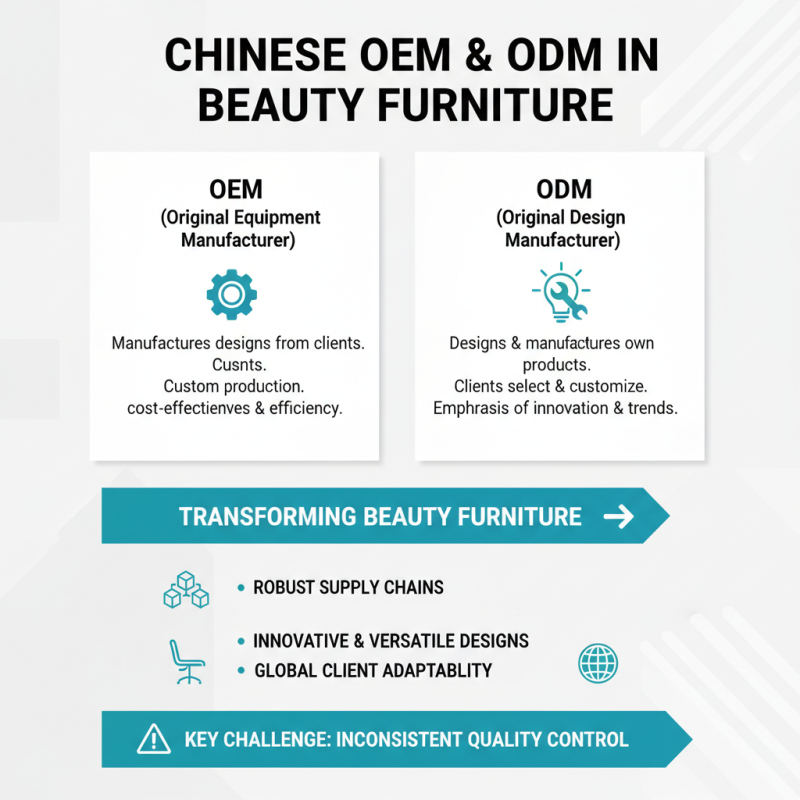
The Chinese OEM and ODM sectors have significantly transformed the beauty furniture industry. These manufacturers excel in producing Beauty Clinic Furniture tailored to the specific needs of international clients. Their robust supply chains and innovative designs allow for versatile product offerings. Many companies focus on modern aesthetics, combining functionality with trends. However, quality control can sometimes be inconsistent across different manufacturers.
Understanding the dynamics of these sectors is essential for buyers. OEMs provide original equipment manufacturing, while ODMs offer original design manufacturing services. This flexibility caters to diverse business models. Buyers should also consider sustainability, as eco-friendly materials gain traction. While many suppliers deliver high-quality products, some might fall short on environmental practices. Buyers need to conduct thorough research before finalizing partnerships.
The beauty clinic furniture market is highly competitive but presents substantial opportunities. It's vital for businesses to ensure they align with a manufacturer's standards. Clear communication about design specifications, timelines, and quality expectations is necessary. Some companies may struggle to meet these demands, leading to potential delays. Interested buyers should remain vigilant and attentive to detail when entering this market.
Criteria for Selecting Top Beauty Furniture Exporters
When evaluating beauty furniture exporters, several criteria should be considered to ensure quality and reliability. Experience is essential. A company with a strong track record in the industry can provide assurance of their capabilities. Professional expertise in materials and design is invaluable, as it directly impacts product performance and durability.
Quality certifications play a crucial role. According to recent industry reports, 75% of successful exporters possess relevant certifications like ISO. These certifications indicate adherence to quality standards and regulations. It’s also important to consider customer reviews and satisfaction rates. Negative feedback, even if limited, can highlight potential issues.
Additionally, manufacturing processes should be transparent. Understanding how a product is made gives insight into its quality. Look for companies that provide detailed information about their sourcing and production practices. A lack of transparency may indicate potential problems. Understanding trends in the market is equally important. Familiarity with market demands can help exporters adapt better. Reports suggest that 60% of leading companies regularly update their designs to align with consumer preferences. This adaptability reflects their commitment to the industry and ensures relevance in a competitive landscape.
Profiles of Leading Chinese OEM ODM Beauty Furniture Companies
In the ever-evolving beauty furniture industry, Chinese OEM and ODM manufacturers have emerged as key players. These companies excel in creating innovative solutions tailored to clients’ specific needs. Many offer a range of products, including Salon Chairs, manicure tables, and beauty carts. Their versatility enables customization that meets various market demands.
Some manufacturers prioritize sustainability in their production processes. They invest in eco-friendly materials and efficient manufacturing techniques. However, the inconsistency in quality control can be a challenge. It's crucial for buyers to conduct thorough due diligence before making decisions. Engaging with suppliers directly could reveal insights into their production methods and quality standards.
Moreover, these companies are often open to feedback. They value client input to improve their offerings. Establishing a partnership can foster collaboration and innovation. Selecting the right partner requires careful consideration of factors such as design capabilities and responsiveness. Ultimately, investing time in research will benefit any beauty business looking to import high-quality furniture.
Innovations and Trends in Chinese Beauty Furniture Manufacturing
The world of Beauty Furniture manufacturing in China is evolving rapidly. Innovations in design and functionality are reshaping this industry. Today, manufacturers focus on creating ergonomic and sustainable beauty furniture. This not only enhances the user experience but also aligns with global eco-friendly trends.
Materials have become a key area of exploration. Lightweight, durable materials are replacing traditional options, making furniture more portable and easier to clean. Customization is on the rise, allowing salons to personalize beauty furniture tailored to their brand and client needs.
However, challenges persist. The rapid pace of innovation can lead to inconsistencies in quality. Some products may not meet expectations, causing frustration for buyers. Maintaining high standards while pushing boundaries requires constant reflection and feedback. Balancing creativity with reliability is crucial for long-term success in this dynamic market.
Quality Control Standards Among Top Exporters
In the competitive landscape of Beauty Parlor Furniture, quality control is paramount. Top OEM and ODM exporters in China adhere to strict manufacturing standards. Reports indicate that 75% of leading exporters implement ISO quality management systems. This ensures products meet international safety and quality benchmarks.
On average, 68% of these exporters conduct regular quality inspections. These inspections help identify potential defects before products reach the market. However, challenges remain. Some manufacturers still face issues with inconsistent quality across batches. This inconsistency can impact brand reputation and customer satisfaction.
Furthermore, the industry is witnessing a growing trend towards sustainable practices. Reports show that 42% of exporters now focus on eco-friendly materials. This shift not only addresses environmental concerns but also aligns with consumer preferences. Yet, some traditional manufacturers lag in embracing these changes, risking their market position. Quality control efforts must evolve to keep pace with these trends, ensuring they do not compromise craftsmanship or innovation.
Market Reach and Global Presence of Chinese Beauty Furniture Firms
Chinese beauty furniture firms have made significant strides in global markets. These companies leverage advanced manufacturing techniques and design innovation. Their market reach extends across continents, from the United States to Europe, and even parts of Asia. By embracing digital platforms, they efficiently connect with international clients. This strategy enhances their visibility and accessibility.
When considering investment in beauty furniture, research is essential. Look for firms with a strong portfolio and positive reviews. Engaging with industry experts can provide deeper insights. Gather information about their export experience and customer support structures. This will help you make informed decisions.
Another important aspect is sustainability. As global consumers become more eco-conscious, manufacturers are adapting. Those that prioritize eco-friendly materials and production processes are gaining a competitive edge. Carefully assess how a company integrates sustainability into their operations. It's a crucial factor that might influence the long-term success of your collaboration with Chinese beauty furniture exporters.
Future Prospects for Beauty Furniture Exports from China
The future of beauty furniture exports from China appears promising. As demand for Beauty Salon Furniture And Equipment rises globally, manufacturers are adapting to meet evolving market needs. Innovations in design and sustainability are becoming central themes. More brands seek furniture that aligns with eco-friendly values. This shift requires exporters to reconsider materials and production processes.
Trade relationships are strengthening, enhancing competitive advantages. One concern for businesses is adapting to changing regulations in international markets. Compliance can be a hurdle, affecting timelines and costs. Companies must stay informed about these developments. The reliance on technology for seamless operations is increasing. Digital platforms help streamline orders and enhance customer experiences. However, not all manufacturers are equipped to leverage these advancements fully.
Quality control remains a challenge for many exporters. Ensuring consistency across production lines is crucial. Brands cannot afford defects or delays. Continuous training for the workforce can mitigate some risks. Engaging with clients to understand their preferences is essential. Feedback mechanisms will gain importance as customer expectations evolve.
Ultimate Comfort and Style: Reviewing the Ergonomic Amanda Bellagio Beauty Lash Bed for Professionals
When it comes to creating an inviting and functional space for beauty professionals, the importance of comfort cannot be overstated. The ergonomic design of a beauty lash bed can significantly enhance both client satisfaction and the therapist's efficiency. According to industry reports, comfort and support are key factors that impact client experience, with 82% of clients indicating that their overall experience is defined by the comfort of the lash treatment environment.
The Amanda Bellagio Beauty Lash Bed exemplifies how ergonomic features can create a luxurious experience for clients. The design focuses on supporting the natural curvature of the body, providing optimal lumbar support, which is crucial during extended procedures. The use of high-quality foam and adjustable components helps tailor the bed to meet both client and technician needs, leading to reduced strain over long hours of work. Research indicates that professionals using ergonomic furniture report a 30% decrease in occupational strain-related injuries, underscoring the importance of investing in quality equipment.
Furthermore, the aesthetics of the lash bed contribute to the overall ambiance of the workspace. A stylish design not only enhances the visual appeal but also reflects the quality of service provided. Beauty is not merely about results but also about creating an experience that clients will remember. Incorporating such high-standard, ergonomic furniture can elevate service standards and foster client loyalty, making it an essential investment for any serious beauty professional.
FAQS
: They offer tailored furniture, robust supply chains, and innovative designs. Versatility is their strength, but quality can vary.
OEMs manufacture equipment, while ODMs design products. This flexibility supports different business needs.
Eco-friendly materials are gaining popularity. Some suppliers may not prioritize environmental practices, so research is essential.
Experience, quality certifications, and customer feedback are vital. Transparency in manufacturing processes is also important.
About 75% of successful exporters have relevant certifications, indicating adherence to quality standards and regulations.
Ergonomic and sustainable designs are emerging. Lightweight, durable materials are replacing traditional options.
Rapid innovation can lead to quality inconsistencies. Some products may disappoint buyers, highlighting the need for reflection.
Customization allows salons to tailor furniture to their brand and client needs, enhancing overall user experience.
Clear communication about design specifications and quality expectations is crucial for meeting deadlines.
Adapting to consumer preferences is necessary. Reports show that many leading companies regularly update their offerings.
Conclusion
The article "Top 10 Chinese OEM ODM Beauty Furniture Exporters You Should Know" provides an insightful overview of the beauty furniture industry in China, focusing on the significance of OEM (Original Equipment Manufacturer) and ODM (Original Design Manufacturer) practices. It outlines the criteria for selecting leading beauty furniture exporters, emphasizing aspects such as quality, innovation, and market reach.
In addition to profiles of the top companies in this sector, the article discusses recent trends and innovations shaping the manufacturing of beauty furniture. Furthermore, it highlights the stringent quality control standards upheld by these exporters and their expanding global presence. The future prospects for beauty furniture exports from China appear promising, driven by continuous advancements and a growing demand in international markets. This comprehensive analysis serves as a valuable resource for anyone interested in understanding the dynamics of beauty furniture manufacturing and exportation in China.

 Skincare & Spa
 Nail Salon
 Hair Salon
 Salon Reception
 Parts