0%

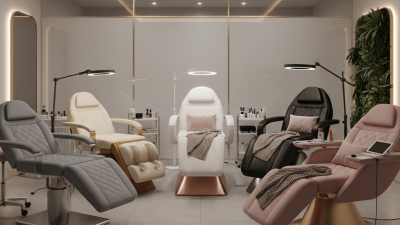
Picking out a Beauty Bed isn't just about how it looks — it’s a practical choice, really. Think about it: treatment rooms need sturdy support, easy-to-adjust features, and surfaces that are simple to clean between clients. When you're shopping around, it’s also worth paying attention to how durable the upholstery is, how loud the motor gets, how easy it is to access the service points, and whether replacement parts are readily available. Little details like these really do add up.

Sure, the industry’s growth paints a pretty exciting picture. According to the Global Wellness Institute’s 2024 Wellness Economy Monitor, the wellness industry hit around $6.3 trillion in 2023 and might hit $9 trillion by 2028. Meanwhile, McKinsey’s 2023 report said global beauty sales topped $430 billion in 2022 and could go up to $580 billion by 2027. Of course, these big numbers cover the whole market, not just Beauty Beds. Still, it’s a clear sign that salons and clinics are investing heavily in quality equipment.

In this Top 10 guide, I’ll help you compare different manufacturers based on stuff like product specs, customization options, certifications, warranty info, and how well they support exports. When it comes to an aesthetician bed, make sure to check the load capacity, the adjustable height range, the type of controls, and how easy it is to care for the upholstery before reaching out for a quote. Definitely ask to see current product documents and clarify what kind of after-sales support you can expect in your area. Just because a catalog looks fancy doesn’t mean the company will provide reliable support — always double-check their claims. The list of top options should help guide your research, but at the end of the day, nothing beats seeing reviews, asking direct questions, and making sure the equipment fits your specific needs.

Top 10 Beauty Bed Manufacturers for Global Buyers

Define Beauty Beds by Treatment Type, Construction, and Intended Use

Beauty bedsare best compared by the treatments they support, not by appearance alone. Facial work often benefits from a reclining backrest, a face opening, and a stable surface for close-up care. Massage beds need room for repositioning and cushioning that remains supportive during longer sessions. Waxing or lash services may call for a narrower bed that lets practitioners reach clients without awkward stretching.Small details matter.

Construction shapes comfort and maintenance. A steel or reinforced frame can provide a steady base, while dense foam helps reduce pressure during extended appointments. Upholstery should feel comfortable and tolerate routine cleaning; seams and creases can collect residue if they are difficult to reach. Manual, hydraulic, and electric adjustment each suit different workflows. A Beauty Bed Electric model can make height changes easier, but buyers should check its controls, movement range, and stated load capacity before choosing.

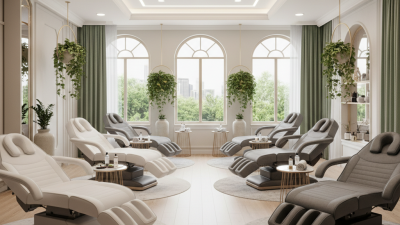
Intended use also affects size and layout. A treatment room with limited floor space may need a compact bed, while a multi-service studio may value flexible positioning. Check that the bed fits through doorways and leaves room for a stool, trolley, and practitioner movement. There is no perfect configuration. I would still question whether every adjustment feature will be used; extra complexity can mean more upkeep, not better care.

Compare 10 Global Manufacturers Across 6 Buyer Criteria

Compare ten global Beauty Bed manufacturers across six buyer criteria: adjustment range, safe working load, frame stability, upholstery cleanability, warranty, and export support. Grand View Research valued the global beauty salon market at USD 230.64 billion in 2023 and forecast 7.4% annual growth through 2030. That growth makes dependable equipment more important, but market demand alone cannot prove product quality. Small details matter.

Ask for test methods behind load ratings, not just a maximum number. Check whether the bed holds steady when raised, and whether its upholstery seams are easy to wipe clean. The U.S. Bureau of Labor Statistics reported 2.6 million nonfatal workplace injuries and illnesses in private industry in 2023. This broad figure is not beauty-sector specific, but it reinforces the value of adjustable working heights and practical staff handling. Compare written warranty terms, spare-part availability, delivery lead times, and documentation for each supplier. One caveat: brochures may describe features differently, so direct comparisons can be imperfect.

Tip: Request a specification sheet and a short live demonstration. Test controls with gloved hands, inspect the underside, and confirm service response times in writing. A low purchase price can be tempting; delayed parts may cost more later.

Top 10 Beauty Bed Manufacturers for Global Buyers

A six-criteria framework for comparing manufacturers

The chart assigns equal weight to product quality, safety, adjustability, comfort, customization, and after-sales support. It is a neutral comparison framework, not a ranking or a report of individual manufacturers’ performance.

Evaluate Motor Count, Height Range, Safe Working Load, and Bed Dimensions

When comparing beauty bed manufacturers, start with the work the bed must do, not the motor count alone. A two-motor model often adjusts height and the backrest, while additional motors may control the leg section or tilt. More motors can improve positioning, but they also add controls and service points. Ask for a movement diagram. Confirm each function operates independently.

Check the minimum and maximum height against staff reach and client transfer needs. A range such as 60–85 cm may suit some clinics, but test it against floor mats and the bed’s actual top thickness. Request the safe working load and clarify whether it applies to a stationary, evenly distributed load or includes movement. Get the conditions in writing. A number alone is hard to compare.

Bed dimensions affect room access and comfort. Compare usable mattress width and length, not just the outer frame; armrests and head sections can change both. Measure doorways, lift interiors, and turning space before ordering. Ask for a dimensioned drawing, load-test documentation, warranty terms, and spare-part lead times. Catalog figures may be rounded, so verify the production specification before paying a deposit.

Review Upholstery, Frame Materials, Cleaning Needs, and Service Life

For global buyers, upholstery should match the work performed, not just the showroom look. Smooth, tightly coated vinyl lets staff wipe away oil and lotion from seams more easily than deeply textured fabric. Yet aggressive cleaners can dull coatings or cause cracking. The US Centers for Disease Control and Prevention’s environmental-cleaning guidance distinguishes cleaning from disinfection; follow the bed maker’s approved products and contact times rather than assuming every disinfectant suits every surface. Small test patch first. That step is easy to skip.

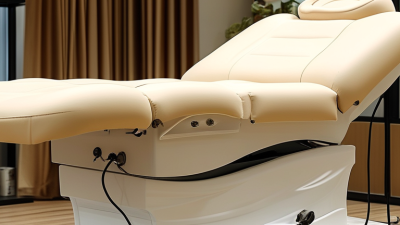
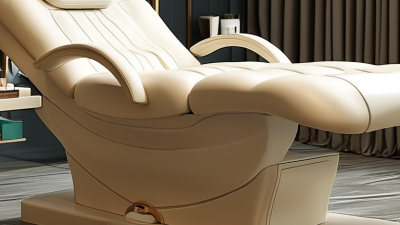
Frame material shapes both stability and upkeep. Powder-coated steel resists routine wipe-downs, but chipped edges can expose metal to moisture. Aluminum is lighter to move, though joints and lift mechanisms still need inspection. An Electric Beauty Bed should raise and lower smoothly under load, with cables kept clear of pinch points. Ask suppliers for load-test documentation and replacement-part availability, not only a maximum-weight claim.

Service life depends on daily handling, cleaning chemistry, and repair access. ISO 12947-2 specifies a Martindale method for testing textile abrasion resistance; the result helps compare fabrics, but it does not predict years of salon use. Request the test cycles, coating-care instructions, warranty exclusions, and parts lead time in writing. A higher abrasion score can still disappoint when seams split or the upholstery cannot be repaired.

Check ISO 9001, RoHS, CE Marking, and Applicable Electrical Standards

For a Salon Beauty Bed, certificates matter only when they match the exact model, factory, and intended use. ISO’s 2022 Survey recorded more than 1.2 million ISO 9001 certificates worldwide. This signals broad adoption of quality-management systems, not proof that every bed is safe or durable. Check the certificate’s scope, issuing body, and validity.

RoHS concerns restrictions on certain hazardous substances in covered electrical and electronic equipment. Ask for a model-specific declaration and supporting test reports, rather than a generic supplier statement. CE marking is the manufacturer’s declaration that applicable EU requirements are met; it is not a general quality award. Keep that distinction clear. A tidy document folder can still hide a poor weld or loose hand control.

Electrical requirements depend on the product’s design and intended use. IEC 60335-1 may be relevant to certain appliances, while IEC 60601-1 applies to medical electrical equipment; neither should be assumed to fit every salon bed. Request the applicable standard list, test-report numbers, and the bed’s rated voltage. Then compare the label with the quotation and shipment. Small discrepancies deserve a second look.

Assess MOQ, Lead Time, Warranty, Shipping, and After-Sales Support

Beauty bed sourcing can look simple until order terms affect cost and opening dates. Ask each manufacturer for its minimum order quantity by model, upholstery, and color. A quoted MOQ may apply only to standard configurations. Custom colors can require a larger commitment. That matters.

Request a written lead-time breakdown, not just a delivery estimate. Separate production, inspection, and transit time, then ask what could delay each stage. A short quoted lead time is not useful if it excludes testing or packing. Check warranty coverage for the frame, motor, and upholstery separately. Read the exclusions, especially for wear parts and damage reported after delivery.

Shipping quotes should specify whether costs include crating, port handling, and final delivery. Confirm the bed’s packed dimensions and weight; these affect freight and unloading arrangements. Ask how the supplier protects motors and adjustable sections from impact. For after-sales support, request the service contact, response hours, and a process for replacement parts. Response time matters. A low price can still become expensive when a bed is unusable and parts take weeks to arrive. Some details may feel tedious, but vague answers deserve a second look.

Top 10 Beauty Bed Manufacturers for Global Buyers — MOQ, Lead Time, Warranty, Shipping & After-Sales Support
Supplier Profile Typical Product Focus Indicative MOQ Indicative Production Lead Time Warranty to Confirm Shipping Considerations After-Sales Checks
01 — Electric Treatment Beds Multi-motor beds for salons, spas, and treatment rooms Often 1–5 units for standard models; confirm configuration About 20–45 days after deposit and specification approval Request written coverage for motors, controls, upholstery, and frame Confirm packed dimensions, freight method, Incoterm, and delivery address Ask about spare motors, wiring diagrams, and remote troubleshooting
02 — Hydraulic Treatment Beds Height-adjustable beds with manual or hydraulic lift systems Often 1–5 units for standard models; custom orders may differ About 15–40 days, depending on stock and finish Clarify hydraulic-system coverage and exclusions for wear parts Check shipment weight and whether the bed ships assembled or knocked down Confirm replacement-part availability and service instructions
03 — Portable Massage Tables Foldable tables for mobile therapists and training use Often 5–20 units for wholesale orders; smaller trial orders may be possible About 10–30 days for standard stock or production batches Ask whether the frame, cables, and upholstery have separate coverage Compare carton size and air-versus-sea freight for the destination market Request setup guidance and availability of replacement cables and leg parts
04 — Facial and Beauty Beds Fixed or adjustable beds for facial and skincare services Often 1–5 units for standard designs; verify for custom colors About 15–40 days after final design approval Confirm coverage for adjustment mechanisms and upholstery seams Check whether accessories are packed separately and included in freight quotes Ask for cleaning guidance, spare covers, and a clear claims process
05 — Spa Treatment Tables Wide, padded tables for spa and wellness applications Often 1–5 units for standard models; project orders may require more About 20–50 days, especially for bespoke finishes Get the warranty term and remedy for structural or electrical defects in writing Confirm crate requirements, unloading responsibility, and destination charges Check response times, technical documentation, and parts supply arrangements
06 — Lash and Brow Beds Compact beds and recliners for lash, brow, and cosmetic services Often 2–10 units for standard configurations About 10–35 days, subject to stock and upholstery selection Confirm coverage for reclining hardware and any powered components Request carton measurements to estimate import and last-mile costs Ask about replacement cushions, armrests, and adjustment parts
07 — Salon Reclining Chairs Reclining treatment chairs with manual or powered adjustments Often 1–5 units for standard models; color-matched orders may vary About 20–45 days after configuration confirmation Specify coverage for actuators, hand controls, frame, and upholstery Confirm voltage and plug requirements for powered versions before shipment Request wiring diagrams, troubleshooting steps, and replacement-control availability
08 — Wooden Massage Tables Portable or stationary tables with wooden frames Often 5–20 units for export batches; confirm sample-order options About 15–40 days, depending on wood finish and batch size Ask how the supplier handles frame joints, finish defects, and transit damage Check moisture protection, packaging strength, and destination import requirements Confirm assembly instructions and availability of replacement frame components
09 — Custom-Configuration Beds Made-to-order beds with selected dimensions, upholstery, or accessories Commonly 5–20 units, but custom projects may have a different minimum About 30–60 days after drawings, materials, and samples are approved Ensure the signed specification and approved sample define warranty coverage Obtain a packing list and shipping quote based on final crate dimensions Agree on approval checkpoints, defect evidence, and remedies before production
10 — OEM/Private-Label Production Beauty beds produced to a buyer’s branding and product specifications Often 20–100 units; minimums depend on branding and packaging requirements About 30–60 days after artwork and production specifications are approved Define warranty handling, replacement parts, and responsibility for local service Confirm label compliance, export documents, carton marks, and shipping terms Request a named contact, escalation route, parts pricing, and response-time targets
Buyer note: The profiles and ranges above are indicative procurement-planning benchmarks, not verified quotations or claims about named manufacturers. Actual MOQ, lead time, warranty, freight cost, and service terms vary by model, order size, customization, destination, and contract. Confirm all details directly with each supplier before placing an order.

FAQS

Which upholstery is easiest to clean between appointments?

Smooth, tightly coated vinyl usually releases oil and lotion more easily than deeply textured fabric. Check seams closely. Use only approved cleaning products and contact times. Test a small patch first; it is easy to forget.

Can I use any disinfectant on a beauty bed?

No. Some cleaners can dull coatings or cause cracking. Follow the bed maker’s instructions, and do not assume every disinfectant suits every surface.

What should I check on the bed frame?

Powder-coated steel handles routine wipe-downs, but chipped edges can expose metal to moisture. Aluminum is lighter to move. Inspect joints and lift mechanisms regularly.

What should I ask about an electric bed’s lifting mechanism?

Ask for load-test documentation and replacement-part availability. Check that the bed moves smoothly under load and cables stay clear of pinch points. A maximum-weight claim alone tells you little.

Does a high abrasion test result guarantee a long service life?

No. Martindale test cycles help compare fabrics, but they cannot predict years of salon use. Seams can still split. Ask about repairs and coating care, too.

What should I confirm about minimum order quantities?

Ask for the MOQ for each model, upholstery, and color. Standard configurations may have different terms from custom colors. Those details can change the order size.

How should I review a quoted lead time?

Request separate estimates for production, inspection, and transit. Ask what could delay each stage. A short estimate may exclude testing or packing. It deserves a closer look.

What shipping and after-sales details matter most?

Confirm whether the quote includes crating, port handling, and final delivery. Get packed dimensions and weight for unloading plans. Ask for service contact hours and parts response times. A low price can become costly when repairs take weeks.

Conclusion

Choosing the right Beauty Bed requires more than comparing appearance or price. Buyers should first match the bed to its treatment type and intended use, then compare manufacturers using consistent criteria such as product range, customization, production capability, and service. Key specifications include the number of motors, height adjustment range, safe working load, and overall dimensions, all of which affect comfort, accessibility, and suitability for different treatment rooms.

Materials and support also shape long-term value. Review upholstery for durability and ease of cleaning, and assess the frame for strength and expected service life. Confirm relevant quality and product documentation, including ISO 9001, RoHS, CE marking, and applicable electrical standards for the destination market. Before ordering, clarify minimum order quantities, production lead times, warranty coverage, shipping arrangements, and after-sales support. A structured comparison helps global buyers balance performance, reliability, and total purchasing needs.
Aria

Aria

Aria is a dedicated marketing professional at Guangdong Muchi Furniture Co., Ltd., where she brings her extensive expertise to the forefront of the furniture industry. With a deep understanding of the company’s diverse range of products, Aria excels in crafting insightful blog posts that not only......
Previous China Top 10 Pink Barber Chair Manufacturers?