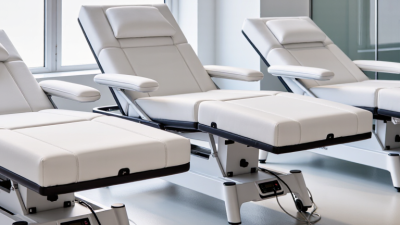
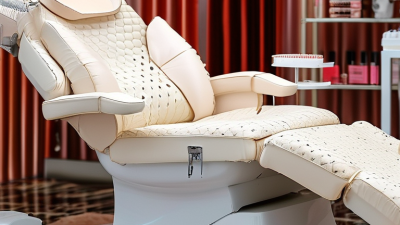
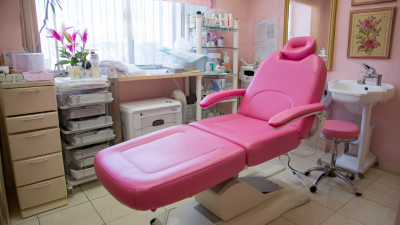
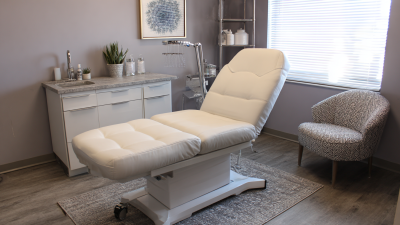
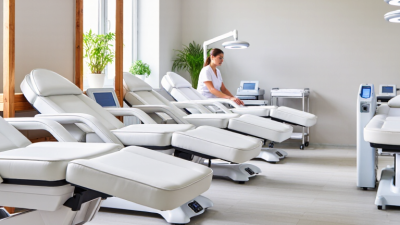
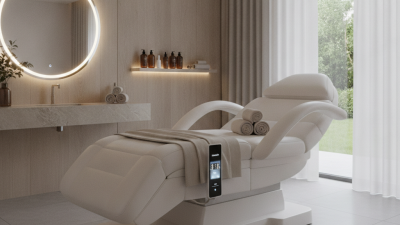
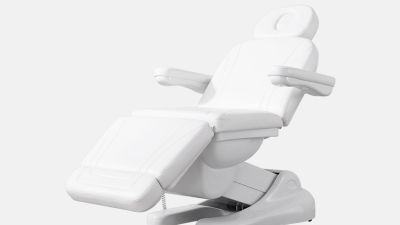
Picking the right Facial Bed? It’s not just about looks. It really comes down to how comfortable your clients are, how your therapists can sit and work, how well treatments go, and what it ends up costing you over time. And if you're buying from overseas, pretty photos won't tell you much. What matters is solid build quality, adjustments that stay put, upholstery you can actually wipe down, warranties that make sense, and after-sales support that actually responds.
So, spa educator Lydia Sarfati has this really useful rule of thumb: “Client comfort supports treatment quality.” And honestly, that’s worth keeping in mind when you’re looking at a spa treatment bed versus a basic salon table. A pro-level bed should make it easy for clients to relax, let you move around smoothly, and be simple to clean between appointments. The little stuff? It adds up. Rounded edges, cushioning that’s supportive but not too soft, quiet motors, and smart storage—those are the things that can totally shift how your day goes.
So, if you're a buyer looking worldwide, this guide takes a closer look at China's top 10 facial bed manufacturers. We compare things like frame materials, electric functions, weight capacity, upholstery options, how much production experience they have, customization options, and export service. Some suppliers stick with budget-friendly manual models. Others go all in on more advanced Facial Spa bed designs made for medical spas, beauty clinics, hotels, and wellness centers.
Look, no ranking is ever going to be perfect. Every buyer’s needs are a bit different, right? If you’re setting up a compact studio, a narrow footprint might matter most. But a busy clinic? You’ll probably care more about a reinforced frame and being able to get replacement parts fast. And yeah, product photos can definitely hide the downsides. So before you order, ask for things like technical drawings, testing info, sample videos, and the warranty terms in writing. That’s what this article is here to help with—though honestly, supplier communication and quality control still need a careful look on your end. Just because the price is lower doesn't mean the risk is, you know?
Market Scope: Global Spa Growth at 12.1% CAGR, Grand View Research
China Top 10 Facial Bed Manufacturers for Global Buyers
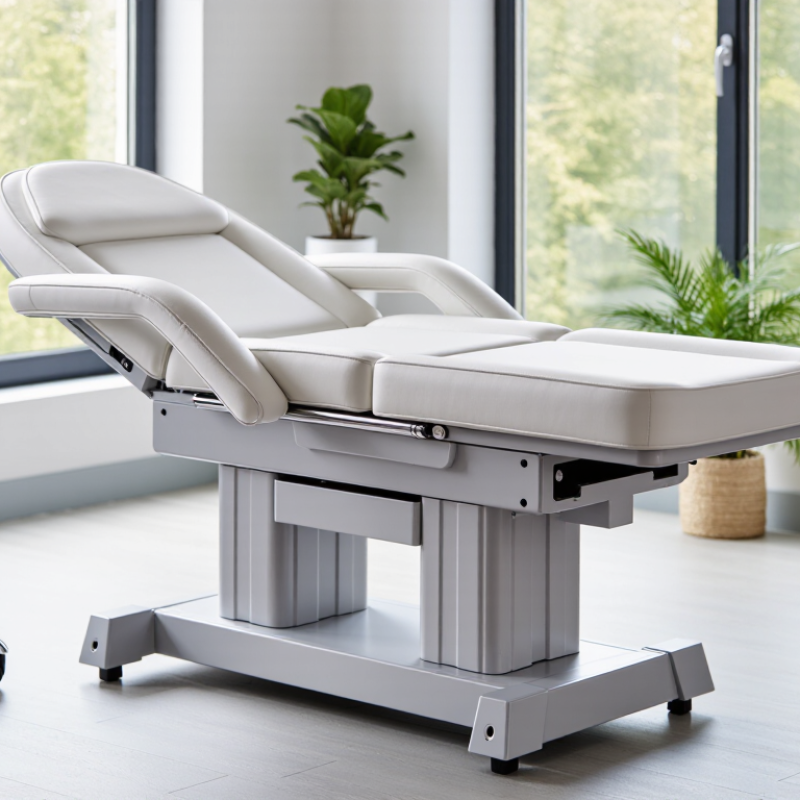
The global spa market is projected to grow at a 12.1% CAGR, according to Grand View Research. This expansion is changing how buyers evaluate facial bed manufacturers in China. Demand now extends beyond basic treatment tables. Clinics and spas need adjustable height, stable backrests, washable upholstery, and quiet electric motors.
A practical sourcing review should examine frame strength, foam density, stitching, and control-panel response. Ask for load testing records and electrical safety documentation. Check how smoothly the bed moves under a client’s weight. Small details matter, such as rounded edges, sealed seams, and removable head cushions. These features support faster cleaning between appointments.
The top 10 manufacturers should also be compared by customization ability, production consistency, packaging quality, and export experience. A factory sample can look excellent while later batches vary. That risk deserves attention. Request several production photos, inspection reports, and a sample before placing a large order. Confirm voltage, plug standards, warranty terms, and replacement-part access for your destination market.
Spa growth creates opportunity, but rapid expansion can encourage rushed purchasing. A lower price is not always lower cost. Freight damage, unstable hydraulics, or difficult assembly may erase the saving. My own assessment would remain cautious without long-term usage data. Yet manufacturers that combine precise workmanship, responsive communication, and documented quality controls are better positioned for global buyers.
Facial Bed Standards: 150–250 kg Load, 60–75 cm Height, and CE Compliance
When selecting a Facial Bed For Salon, global buyers should examine load capacity, working height, and compliance documents. A reliable bed usually supports 150–250 kg, including the client and treatment pressure. Static capacity alone can mislead. Ask whether the rating covers movement, reclining, and uneven weight distribution.
A height range of 60–75 cm helps estheticians maintain safer working posture. Check the lowest setting with a real treatment stool, not only a catalog drawing. The frame should remain stable when the backrest rises. Smooth electric adjustment is useful, but noisy motors or loose hinges suggest weak quality control. CE compliance also needs careful verification. CE marking is not a universal quality certificate. Request the Declaration of Conformity, applicable standards, risk assessment, and test records. Requirements may differ according to the bed’s intended function and market.
Tips: Ask for a complete load-test video. Measure the upholstery width and usable height. Confirm voltage, plug type, warranty terms, and replacement-part support. Inspect stitching around the face hole and lifting joints. Small details matter. One common mistake is choosing the maximum load without checking daily ergonomics. A heavier frame may improve stability, yet it can complicate installation and servicing. Buyers should compare documented performance with hands-on evidence, because attractive specifications sometimes hide practical limitations.
China’s Manufacturing Base: OEM Capacity, Export Reach, and Quality Systems
China’s facial bed manufacturing base supports OEM projects for salons, clinics, and distributors worldwide. Experienced factories commonly provide adjustable backrests, reinforced steel frames, washable PU upholstery, and customized dimensions. A Facial Bed Salon buyer can request logo placement, color matching, packaging changes, and electrical specifications before production.
Export capability extends beyond assembly. Manufacturers often prepare multilingual manuals, carton drop tests, pallet plans, and container loading diagrams. Their teams may manage samples for Europe, North America, Southeast Asia, and the Middle East. Reliable suppliers maintain inspection records for welding, foam density, motor noise, and weight capacity. Some operate ISO 9001-based quality systems, while others rely on internal procedures. Buyers should verify the difference.
Small details matter. A loose hinge can affect client comfort. Uneven stitching can damage a premium salon image. Factory audits, pre-shipment inspections, and batch photographs create useful evidence. Traceable serial labels also help with after-sales support. However, a perfect sample does not guarantee every shipment. Materials may change under cost pressure, and communication can fail across time zones. That risk deserves written specifications and approval checkpoints. Even careful sourcing needs review.
Top 10 Chinese Facial Bed Manufacturers Ranked by Product and Factory Data
China Top 10 Facial Bed Manufacturers for Global Buyers
To rank ten Chinese facial bed manufacturers, I compared product and factory data. Product checks included electric adjustment, working height, foam density, upholstery, load rating, and warranty terms. Factory checks covered production capacity, quality systems, export experience, inspection records, and customization control. The Global Wellness Institute’s 2024 report valued the global wellness economy at about 6.3 trillion US dollars in 2023. This growth increases demand for durable treatment furniture.
The highest-ranked factories showed clearer specifications and stronger quality documentation. Their Massage And Facial Bed models commonly used reinforced steel frames, low-noise motors, waterproof upholstery, and replaceable headrests. Mid-ranked suppliers offered competitive prices, but their testing records were sometimes incomplete. A low price is not always efficient. Freight damage, difficult assembly, and missing spare parts can erase the initial saving. No ranking is perfect; factory data may change after a new audit.
Tips: Request a live factory video, material samples, load-testing records, and a complete packing list. Ask whether the quoted price includes motors, remote controls, accessories, and export packaging. ISO 9001 certification can support process control, but it does not prove every bed is comfortable. Check dimensions against your treatment room, especially the rear clearance and armrest width. A practical trial with a technician and client is still valuable. Reports guide the shortlist; hands-on inspection reveals the details they miss.
Buyer Comparison: Motors, Upholstery, Adjustability, Warranty, and MOQ
China Top 10 Facial Bed Manufacturers for Global Buyers
When comparing China’s top ten Facial Bed manufacturers, buyers should inspect more than appearance. Motor performance matters during repeated height and backrest adjustments. Ask for noise levels, lifting capacity, cycle testing, and replacement-part availability. A smooth showroom demonstration can hide weak performance after months of daily use. I once focused too heavily on price and overlooked motor access. That was a costly lesson.
Upholstery should resist oils, disinfectants, and frequent wiping without becoming stiff. Check seam quality, foam density, and the surface underneath the cushion. Adjustability also affects treatment comfort. Useful features include independent leg, backrest, and height movement. Test the bed with a real technician, not only a factory representative. Warranty terms require close reading. Confirm coverage for motors, control units, frames, and upholstery separately. Clarify response times and whether remote troubleshooting is available. Some warranties sound strong but exclude common wear.
Tips: Request videos of loaded testing, wiring, and stitching. Compare the full landed cost, not only the factory quotation. Confirm MOQ before customization. A low MOQ may carry higher unit costs or limited color choices. Ask whether one sample can be tested before bulk production. Small details matter. Buyers should record every promise in the purchase contract, including packaging standards and spare parts. Specifications can still change during negotiation, so recheck the final document carefully.
Global Procurement Checks: ISO 9001, EN 12520, Shipping Terms, and After-Sales Support
China Top 10 Facial Bed Manufacturers for Global Buyers
Global procurement starts with verification, not attractive product photos. Request the manufacturer’s current ISO 9001 certificate and check its registered scope, issuing body, and expiration date. A certificate covering general administration may not prove consistent facial bed production. Ask for batch records, inspection procedures, and factory photographs with visible dates.
EN 12520 can support furniture safety, strength, and durability assessments, but its relevance must be confirmed for the selected facial bed design. Request the exact test report, model number, load rating, and laboratory details. Do not accept a generic compliance statement. Test a working sample when possible. Small details matter, such as stable hinges, smooth upholstery seams, and a reinforced lifting section.
Shipping terms should be written clearly in the quotation. Confirm whether the price uses EXW, FOB, CIF, or DDP, and identify who pays inland transport, insurance, customs duties, and destination charges. Protect the bed with corner guards, moisture barriers, and a shock indicator. Wooden crates may reduce damage, but they can also increase handling costs.
After-sales support needs measurable promises. Confirm warranty length, spare-part availability, response times, and procedures for damaged deliveries. Request replacement upholstery, actuators, cables, or remote controls separately. A supplier may respond quickly before payment, then become difficult later. That risk deserves attention. Even careful buyers can miss unclear exclusions, so review every assumption before placing the order.
China Facial Bed Procurement Checks for Global Buyers
The chart presents a practical evidence checklist rather than supplier performance or company rankings. It covers four core procurement areas: ISO 9001 quality-management verification, EN 12520 testing where applicable, Incoterms 2020 shipping terms, and after-sales support. ISO 9001 confirms a quality-management system, while EN 12520 relates to strength, durability, and safety requirements for applicable seating products.
Facial Beds, Electric Cosmetic Chairs & Beauty Beds: Market Insights from Grand View Research and IMARC
The beauty-treatment furniture market is evolving alongside the wider professional aesthetics industry. Grand View Research projects the global aesthetic medicine market to grow at a double-digit compound annual growth rate through 2030, reflecting stronger demand for non-invasive treatments and upgraded salon experiences. This expansion is increasing interest in facial beds, electric cosmetic chairs, and multifunctional Beauty Beds that support comfort, efficiency, and flexible treatment workflows.
IMARC’s beauty devices market analysis also identifies professional services, personalization, and improved treatment convenience as important growth factors. In this context, adjustable facial beds with reclining backrests and ergonomic cushioning can help practitioners perform cleansing, facial massage, and skincare procedures more comfortably. Electric cosmetic chairs add further flexibility through motorized height, backrest, and leg-rest adjustments, allowing operators to adapt the workstation to different services and client needs.
For modern salons, beauty clinics, and training studios, product selection should focus on durable upholstery, easy-to-clean surfaces, stable frames, quiet motors, and space-efficient designs. Flat beauty beds may suit routine facials and waxing, while fully adjustable models can support a broader service menu. As reported market trends point toward higher service customization and enhanced client comfort, modular furniture with dependable adjustment functions is becoming an increasingly practical investment for professional treatment environments.
FAQS
A suitable bed usually supports 150–250 kg. This includes the client and treatment pressure. Ask for movement-based load testing. Static ratings can mislead. Uneven weight matters.
A height range of 60–75 cm often supports safer working posture. Test the lowest setting with a real treatment stool. The bed should remain stable when the backrest rises. Catalog drawings are not enough.
Check frame strength, foam density, stitching, hinges, and control response. Look closely at the face hole. Rounded edges and sealed seams simplify cleaning. Removable head cushions can help between appointments.
Request a working sample, production photos, inspection reports, and batch records. Ask for a complete load-test video. A factory sample may look excellent. Later batches might vary.
Request the Declaration of Conformity, applicable standards, risk assessment, and test records. Verify the document’s model number and intended use. A compliance mark is not universal proof of quality.
Confirm whether the quotation uses EXW, FOB, CIF, or DDP. Clarify inland transport, insurance, customs duties, and destination charges. Use corner guards, moisture barriers, and shock indicators. Wooden crates add protection, but also cost.
Confirm warranty length, spare-part access, response times, and damaged-delivery procedures. Ask about actuators, cables, remote controls, and replacement upholstery. Promises should be written. Verbal assurances may disappear later.
Not always. Freight damage, unstable hydraulics, or difficult assembly can erase savings. Compare total ownership costs, not only the quotation. I would remain cautious without long-term usage data. The checklist is useful, but imperfect.
Conclusion
This guide presents a practical overview of China’s facial bed manufacturing sector for global buyers. It examines the expanding spa market, with growth discussed around a projected 12.1% CAGR, and explains key product expectations such as 150–250 kg load capacity, 60–75 cm working height, ergonomic adjustment, durable upholstery, and CE compliance. It also outlines China’s OEM production capabilities, export experience, factory quality systems, and ability to support customized designs.
The top 10 manufacturers are evaluated through product range and factory-related criteria rather than brand promotion. Buyers can compare electric motors, adjustment functions, upholstery materials, warranty coverage, minimum order quantities, and customization options. The guide also highlights essential procurement checks, including ISO 9001 systems, EN 12520 considerations, shipping terms, packaging, spare-parts availability, and after-sales communication. Together, these factors help importers select a reliable facial bed supplier that matches their market requirements, budget, volume, and service expectations.

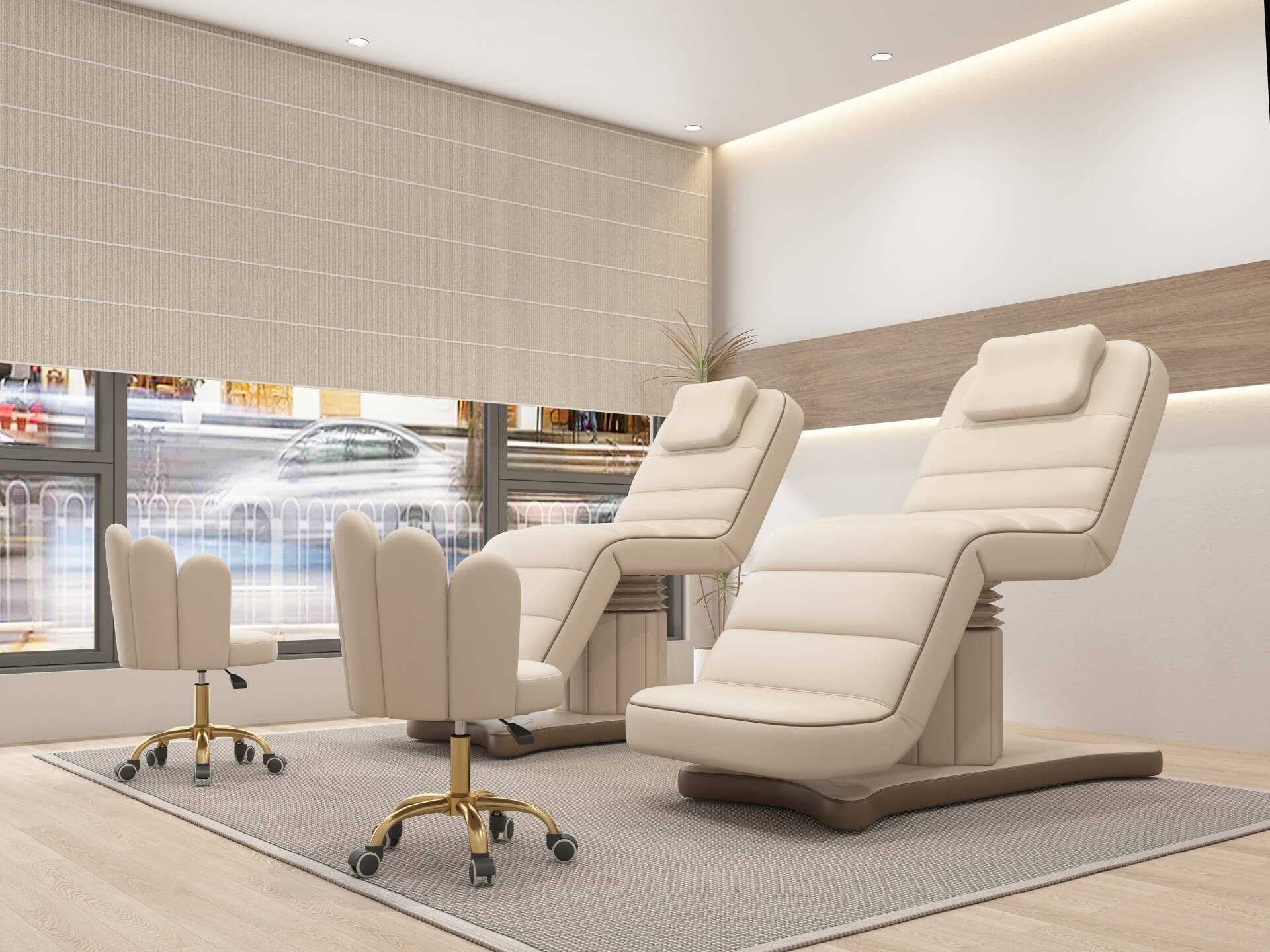 Beauty & Spa
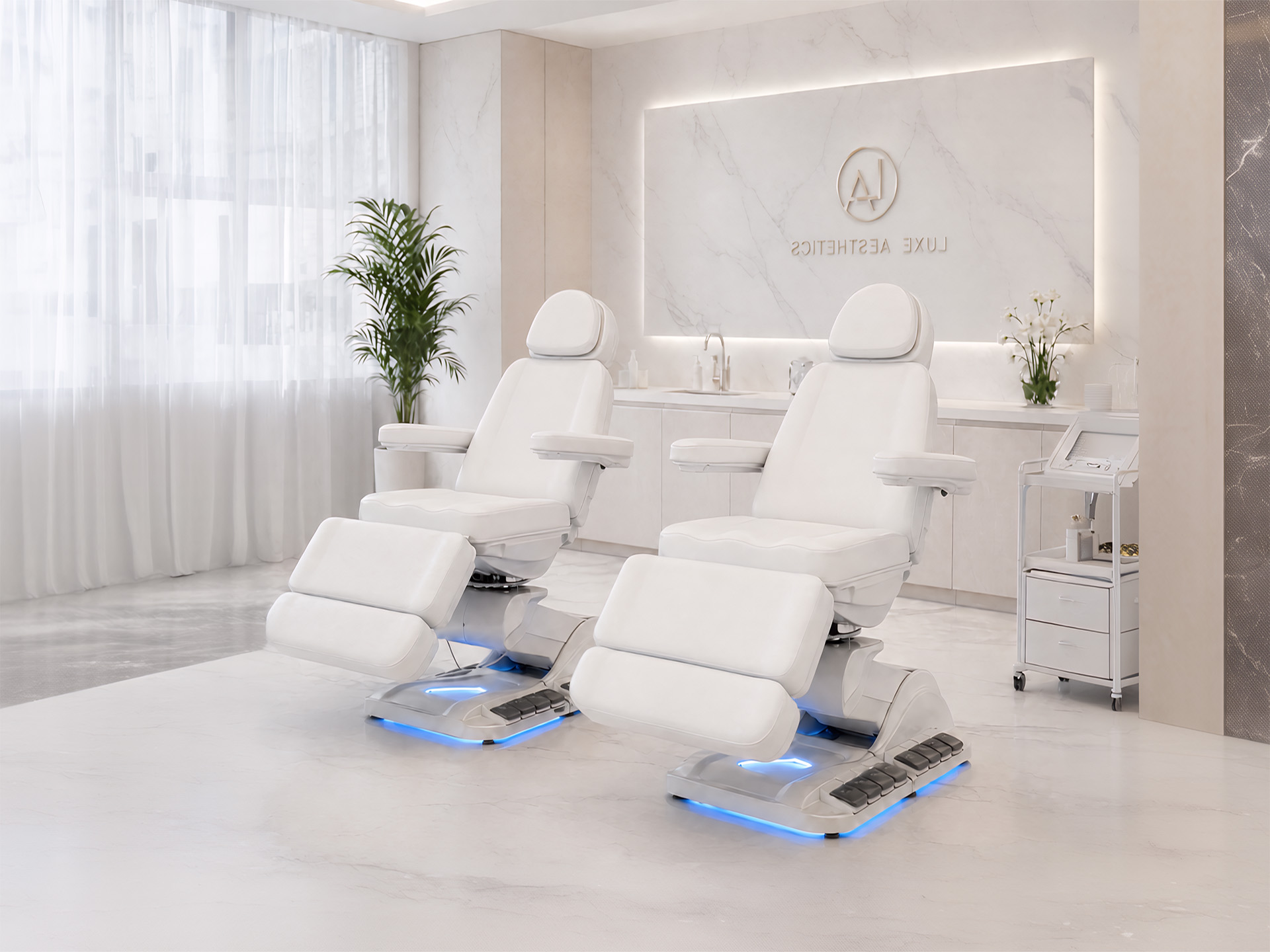 Examination and Treatment
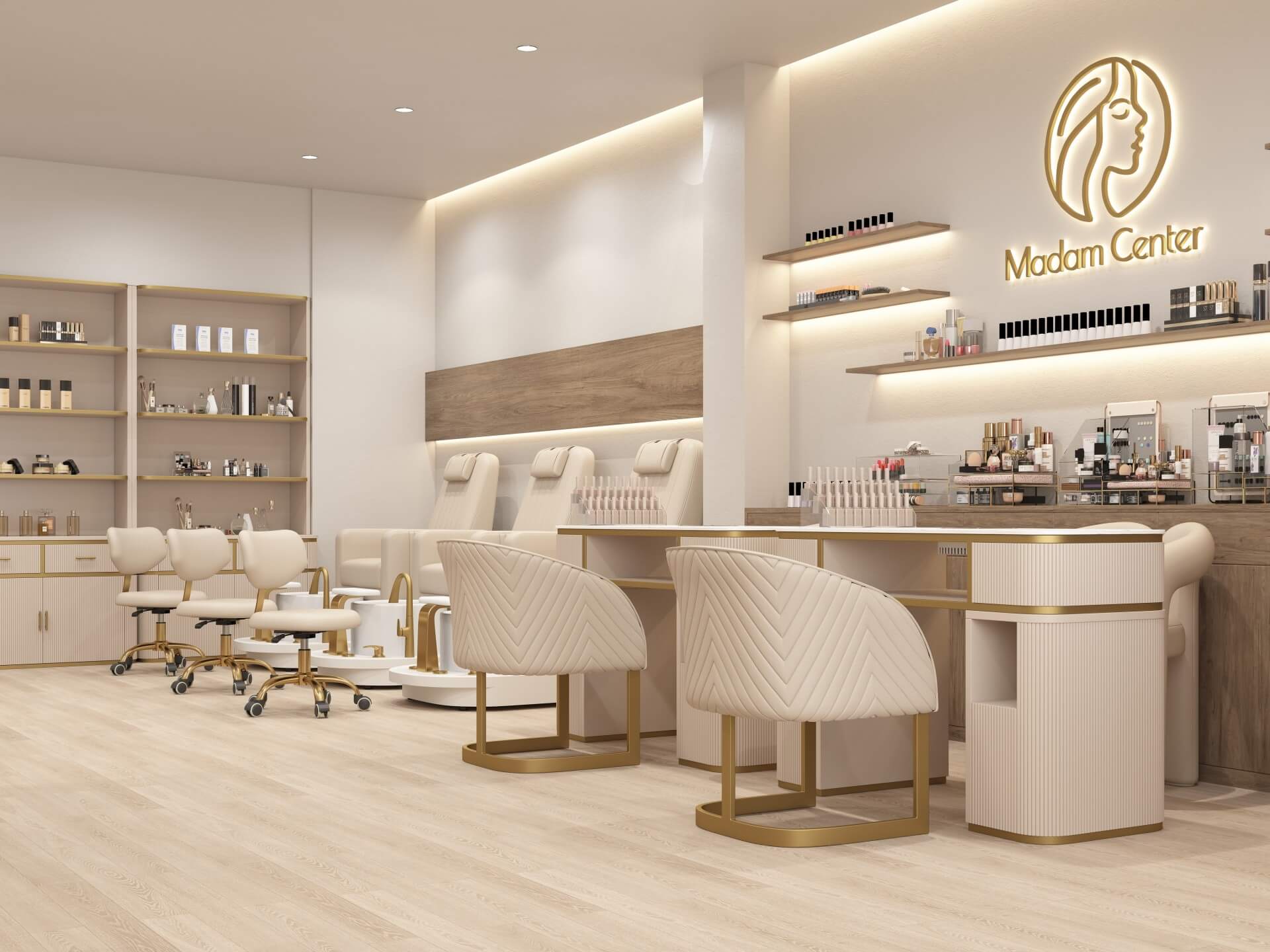 Pedicure & Manicure Nail Salon
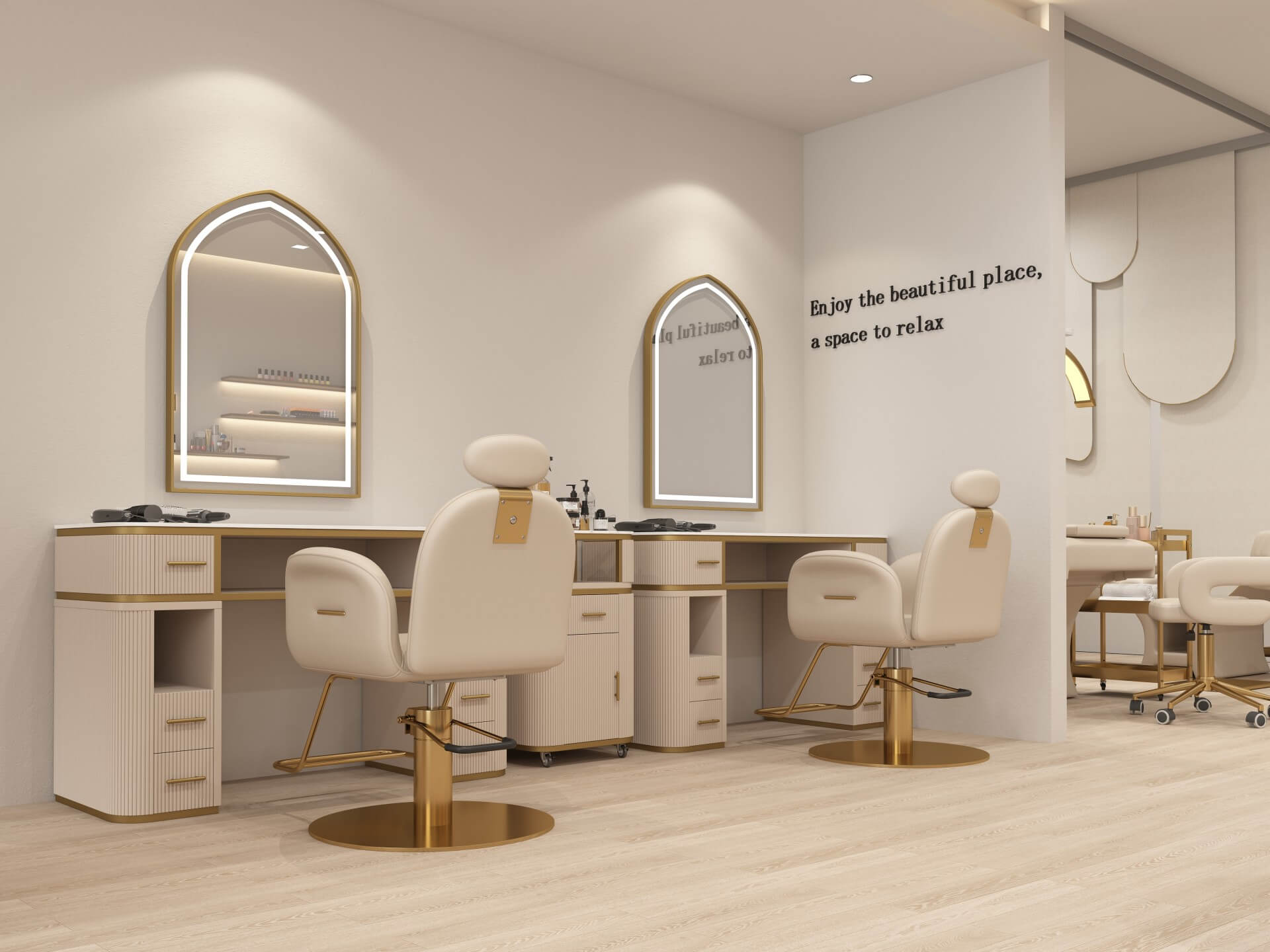 Barber & Hair Wash Salon
 Salon Reception
 Parts