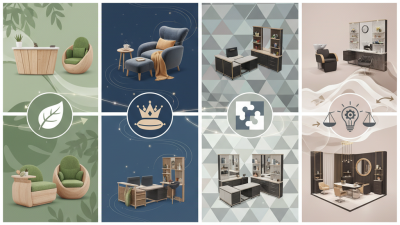
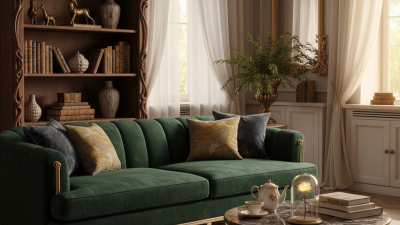
Choosing the right furniture for your salon really isn’t just about looking good — it’s about finding that sweet spot between style and practicality. James Smith, a well-known expert in salon design, once said, “The furniture you pick can really set the tone for your entire brand.” I guess what he’s getting at here is that thoughtful choices can make all the difference when it comes to attracting new clients and keeping them happy.
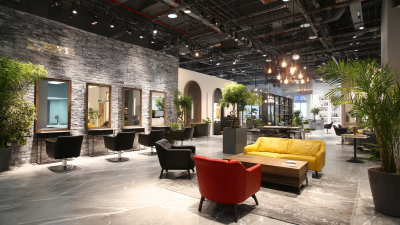
Now, every salon has its own vibe. Think about the atmosphere you want to create—are you going for a sleek, modern look, or maybe something more upscale and classic? Your furniture should match that vision. It’s super important that your choices reflect your brand personality.
Of course, don’t forget about quality and how durable the furniture is. Investing in good furniture might seem pricey at first, but it pays off in the long run—clients will notice, and it’ll save you stress (and money) on repairs or replacements later on. That said, it’s easy to get caught up in following trends, but sometimes a mix of modern and timeless pieces works best. Bottom line? Think about what’s most important to you—style, function, or a bit of both—and go from there.
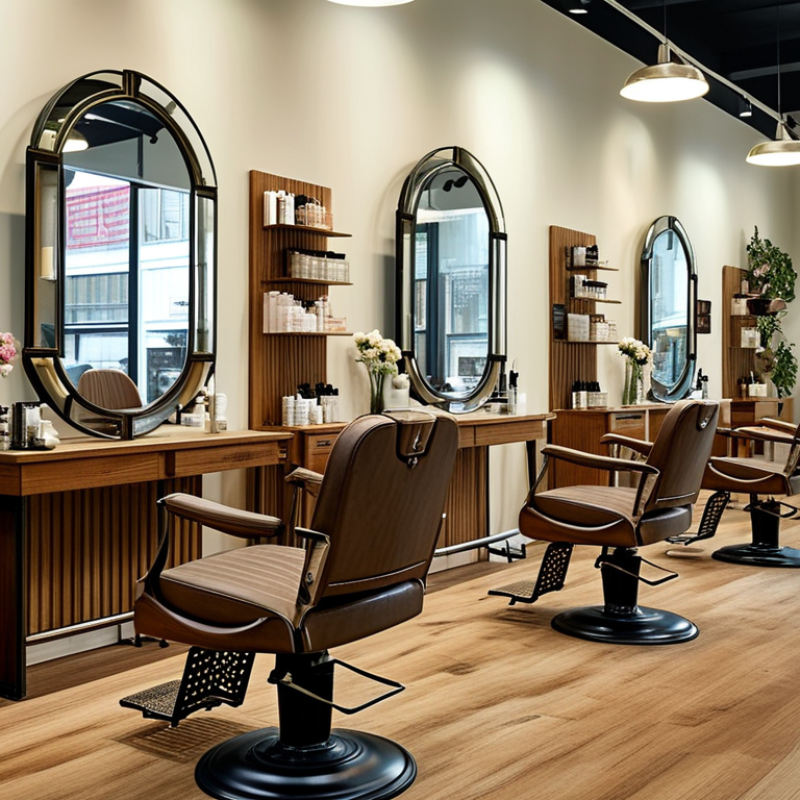
Understanding the Importance of Salon Furniture in Your Business
In the competitive salon industry, furniture plays a crucial role. High-quality Salon Furniture not only enhances the aesthetic appeal but also affects customer comfort and staff efficiency. According to a 2022 industry report, 75% of clients noted a positive experience in salons with comfortable and stylish furniture. This highlights the importance of investing in the right pieces for your business.
Choosing the right salon furniture is more than just a style choice; it impacts your workflow. Ergonomic chairs and adjustable stations can improve employee satisfaction and reduce fatigue. Data shows that happiness in work environments can increase productivity by up to 20%. Prioritize functionality alongside style.
Tips: Consider multipurpose furniture to optimize space. Regularly assess how your furniture meets client and staff needs. Remember that trends evolve; keeping up with modern designs can attract new clientele. Investing in durable materials can reduce costs over time, underscoring reliability. Regular feedback from your team can help identify areas for improvement in your setup.
Identifying Your Salon's Style and Target Market
Choosing the right salon furniture starts with understanding your salon's style and target market. Your furniture selection should reflect the atmosphere you want to create. Is it modern, vintage, or bohemian? Defining your style helps narrow down your choices.
Tips: Visit other salons to gather ideas. Take notes on what works. Pay attention to color schemes and layouts.
Additionally, consider your target market. Are you catering to high-end clients or a more budget-conscious crowd? Your furniture should align with their expectations. Think about comfort and functionality. A luxurious chair can elevate the experience. Yet, don't forget practicality.
Tips: Survey your clients about their preferences. This can provide valuable insights. Keep an open mind; sometimes, the unexpected works best.
Evaluating Quality and Durability of Salon Furniture Options
Choosing salon furniture goes beyond aesthetics. Quality and durability are critical factors. When evaluating furniture options, consider the materials used. Solid wood offers strength and longevity, while cheaper materials may not withstand daily use.
Inspect the craftsmanship. Sturdy construction and well-finished edges indicate a high-quality product. Look for reinforced joints and cushioned seating that will last. Soft fabrics may wear quickly. Choosing durable upholstery materials, like leather or high-quality synthetics, can save money over time.
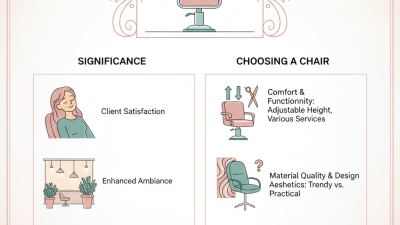
Think about functionality. Chairs should support various client sizes comfortably. Benches and tables need to be easy to clean. Weight limits should be considered as well. Reflect on your space. The right furniture enhances the user experience, but poor choices can affect your business reputation. Regularly reassessing your furniture's condition is vital. Making informed decisions now benefits your salon in the long run.
Selecting Functional and Space-Saving Furniture Designs
When selecting salon furniture, functionality and space-saving designs can significantly impact your business. According to industry reports, salons that utilize multifunctional furniture can optimize their space by up to 30%. This increase allows for better customer experience and service efficiency.
Consider opting for foldable or stackable chairs and tables. Such designs make it easy to rearrange the salon for events or busy hours. For example, chairs that can be stacked when not in use free up valuable floor space. Additionally, storage solutions should be compact yet accessible. Small storage cabinets can hide away products, maintaining a clean look.
Entrepreneurs should also keep the salon’s layout in mind. A well-thought-out design can prevent a cramped feel. Reports indicate that salons with open layouts often see higher customer satisfaction rates. However, the challenge lies in balancing aesthetics with practicality. Many salons are still figuring out how to efficiently use every corner without sacrificing style. Investing in modular furniture can help create a better flow and maximize space, but not all designs may fit every salon’s unique vision.
Considering Ergonomics for Comfort and Accessibility
When choosing salon furniture, ergonomics play a crucial role. Many studies indicate that ergonomic furniture can reduce worker fatigue by up to 30%. Comfortable seating and height-adjustable stations enhance accessibility. This is vital not just for client comfort but also for staff well-being.
Consider the layout of your salon. An efficient design allows easy movement. A tight space can hinder workflow and lead to accidents. According to a recent report, 65% of salon professionals reported physical discomfort due to poor furniture choices. Prioritizing ergonomic options can help minimize this issue.
Investing in quality ergonomic furniture may require more upfront cost. However, studies show that businesses can see a return on investment in under two years. Employees who are comfortable are more productive. This fact reinforces that comfort should not be overlooked when selecting furnishings. Each choice you make impacts your team's morale and your client experience.
Budgeting for Salon Furniture: Balancing Cost and Quality
When budgeting for salon furniture, cost and quality are crucial elements. A recent industry report indicates that high-quality salon furniture can last up to ten years. Opting for cheaper options may seem inviting initially, but they often lead to frequent replacements. This can burden your finances in the long run. According to the Professional Beauty Association, about 30% of salon owners report spending more than planned on furniture replacements.
Investing in durable furniture enhances customer experiences. Comfortable chairsand stylish stations create a welcoming environment. However, balancing aesthetics and functionality can be challenging. You want pieces that look good but also withstand daily wear. For instance, average costs for high-quality Styling Chairs typically range from$300 to $600. This investment is worth considering if it increases client satisfaction.
Getting feedback from your team can guide your choices. They know what works best in a bustling salon. Some may prefer adjustable chairs, while others might prioritize storage options. Reflecting on these preferences helps refine your selections. Many owners overlook the maintenance costs of furniture. Regular care can add up, so factor this into your budget.
Sourcing and Purchasing: Where to Buy Salon Furniture Effectively
When sourcing salon furniture, consider quality and durability. Reports indicate that 70% of salons face furniture replacements within five years. Investing in reliable brands prevents frequent costs.
Look for suppliers with strong reputations. Online platforms can provide insights into customer feedback. Research shows that 60% of salon owners rely on reviews before purchasing. Establish relationships with wholesalers to negotiate better pricing. Purchasing in bulk may offer significant discounts.
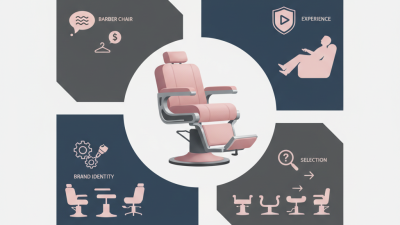
Evaluate the layout and theme of your salon. Your furniture should align with your brand identity. Visual appeal attracts customers. Remember, functionality matters too. Chairs should be comfortable yet stylish. Balance aesthetics with practicality. A mismatch could confuse your clients. Make informed choices to create an inviting salon environment.
Salon Furniture Investment Comparison
FAQS
: Quality ensures longevity. Cheaper materials may not withstand daily use, leading to frequent replacements.
Solid wood offers strength. Durable upholstery like leather lasts longer than soft fabrics.
Ergonomic furniture reduces worker fatigue. Comfortable seating increases staff productivity and client satisfaction.
Inspect for sturdy construction and well-finished edges. Reinforced joints indicate a high-quality product.
Poor quality can harm your reputation. It may lead to discomfort for both clients and staff.
It may have higher upfront costs but provides long-term ROI. Comfortable staff are more productive.
An efficient layout aids movement. A cramped space may lead to accidents and hinder workflow.
Both are important. Stylish chairs must also be comfortable. Mismatches can confuse clients.
Regular assessments are vital. Ignoring wear can lead to poor client experiences over time.
Research reputable suppliers and online platforms. Reviews from other salon owners provide valuable insights.
Conclusion
Choosing the best salon furniture is critical for establishing a successful salon business. Understanding the importance of salon furniture involves aligning your choices with the overall style of your salon and the preferences of your target market. Evaluating the quality and durability of available options ensures that your investments will stand the test of time, while selecting functional and space-saving designs can enhance the efficiency of your salon layout.
Additionally, considering ergonomics is essential for both staff comfort and client accessibility, creating a welcoming environment. Budgeting for salon furniture requires a careful balance between cost and quality to maximize value. Lastly, sourcing and purchasing from reliable suppliers effectively can streamline the process of outfitting your salon with the best salon furniture tailored to your needs.

 Beauty & Spa
 Examination and Treatment
 Pedicure & Manicure Nail Salon
 Barber & Hair Wash Salon
 Salon Reception
 Parts