 Beauty & Spa
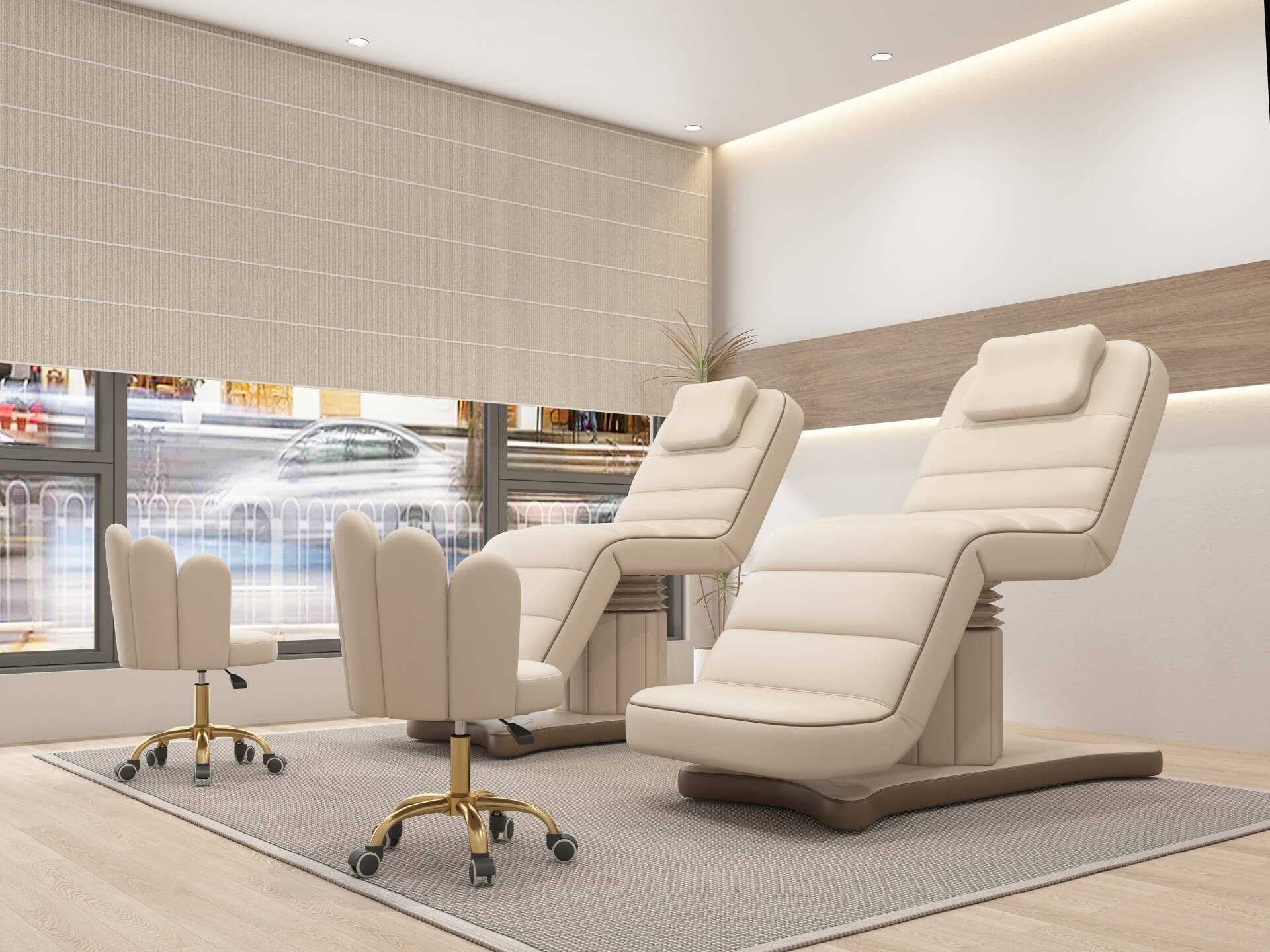
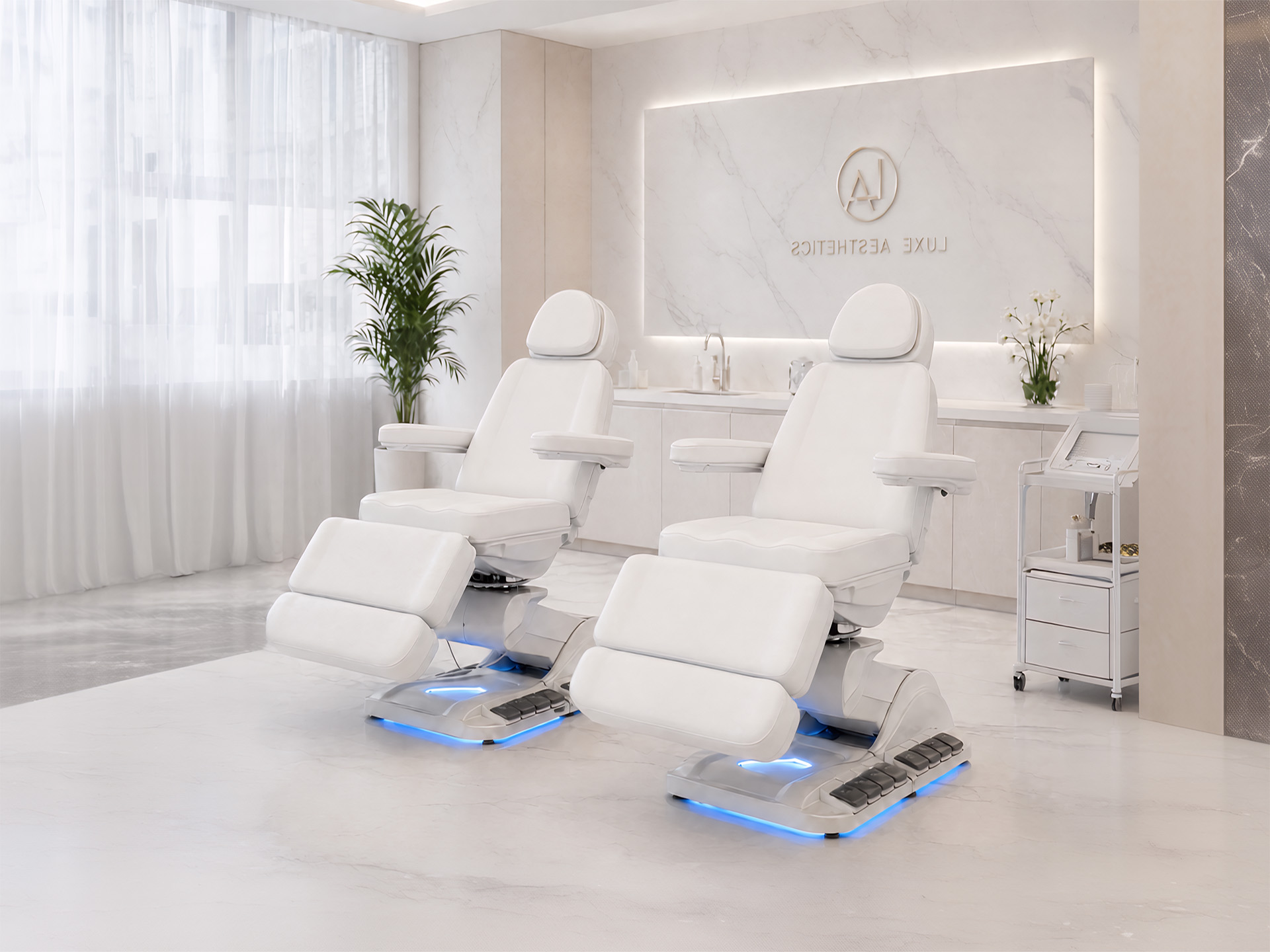 Examination and Treatment
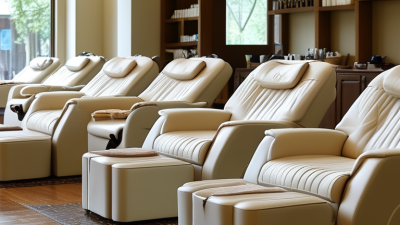
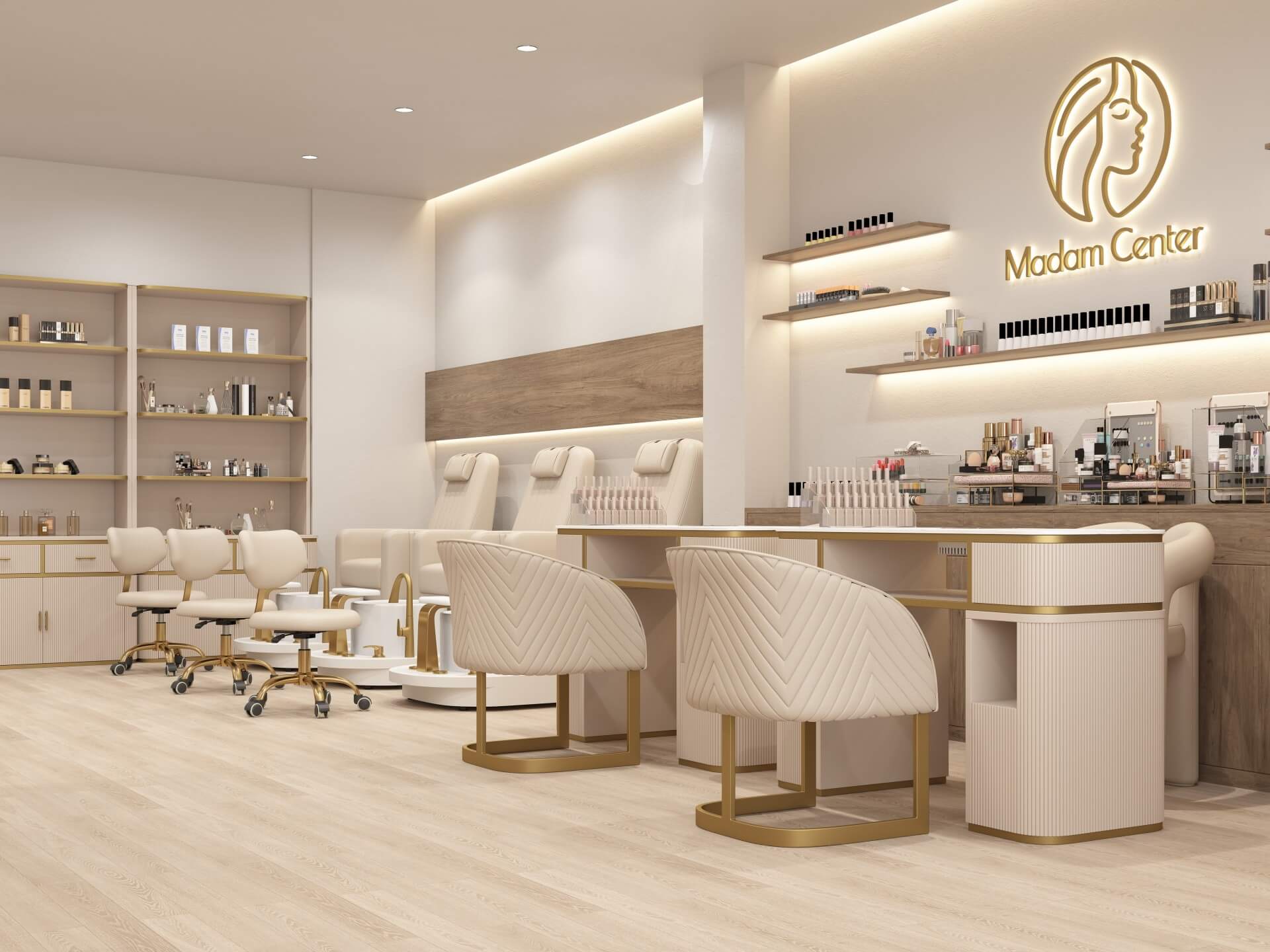 Pedicure & Manicure Nail Salon
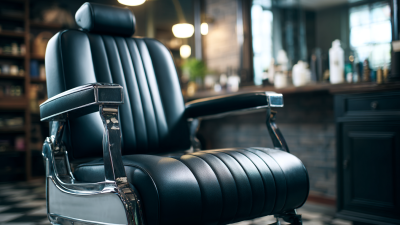
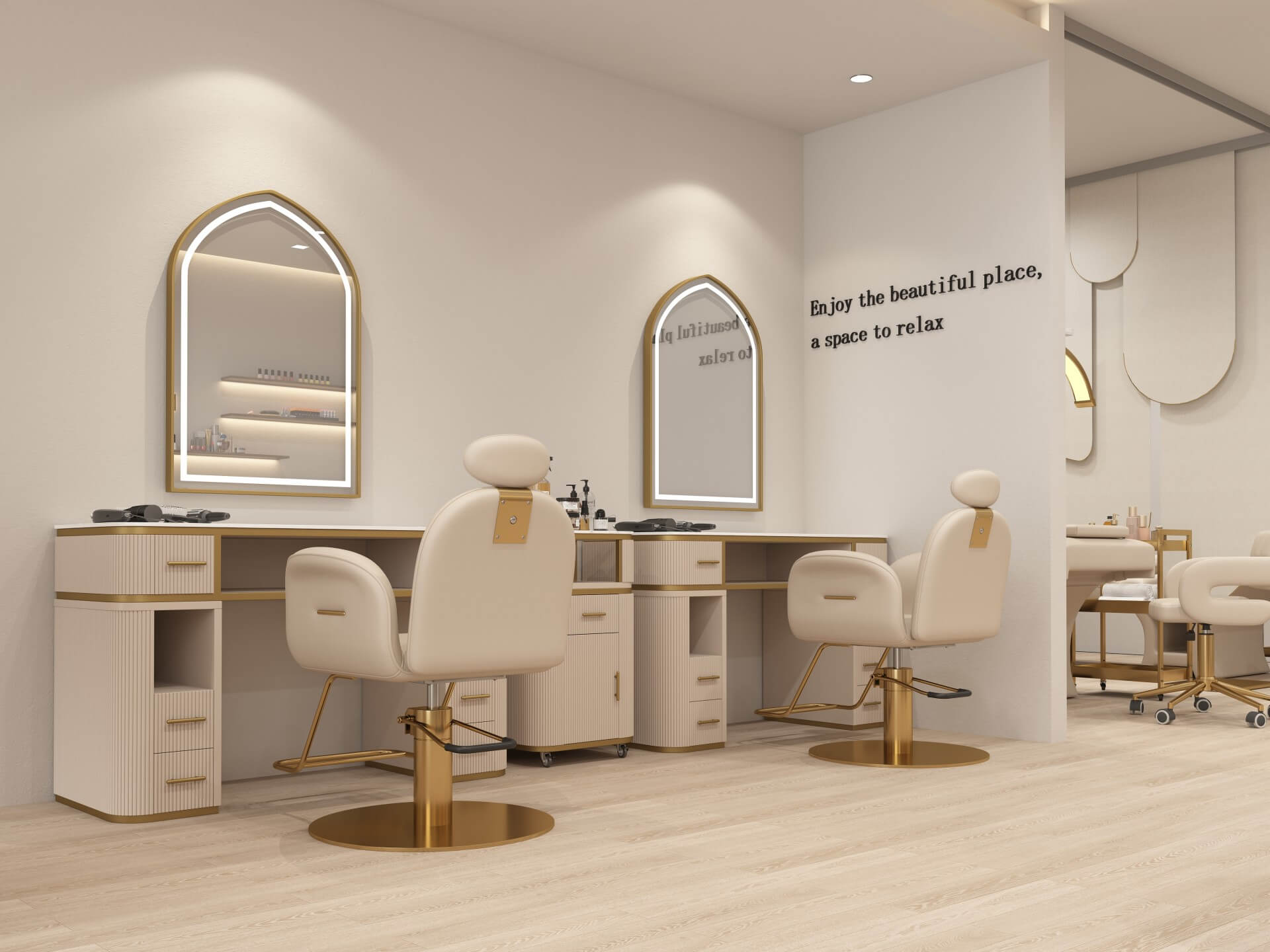 Barber & Hair Wash Salon
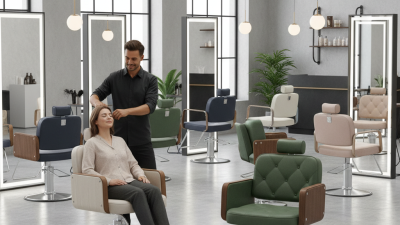
 Salon Reception
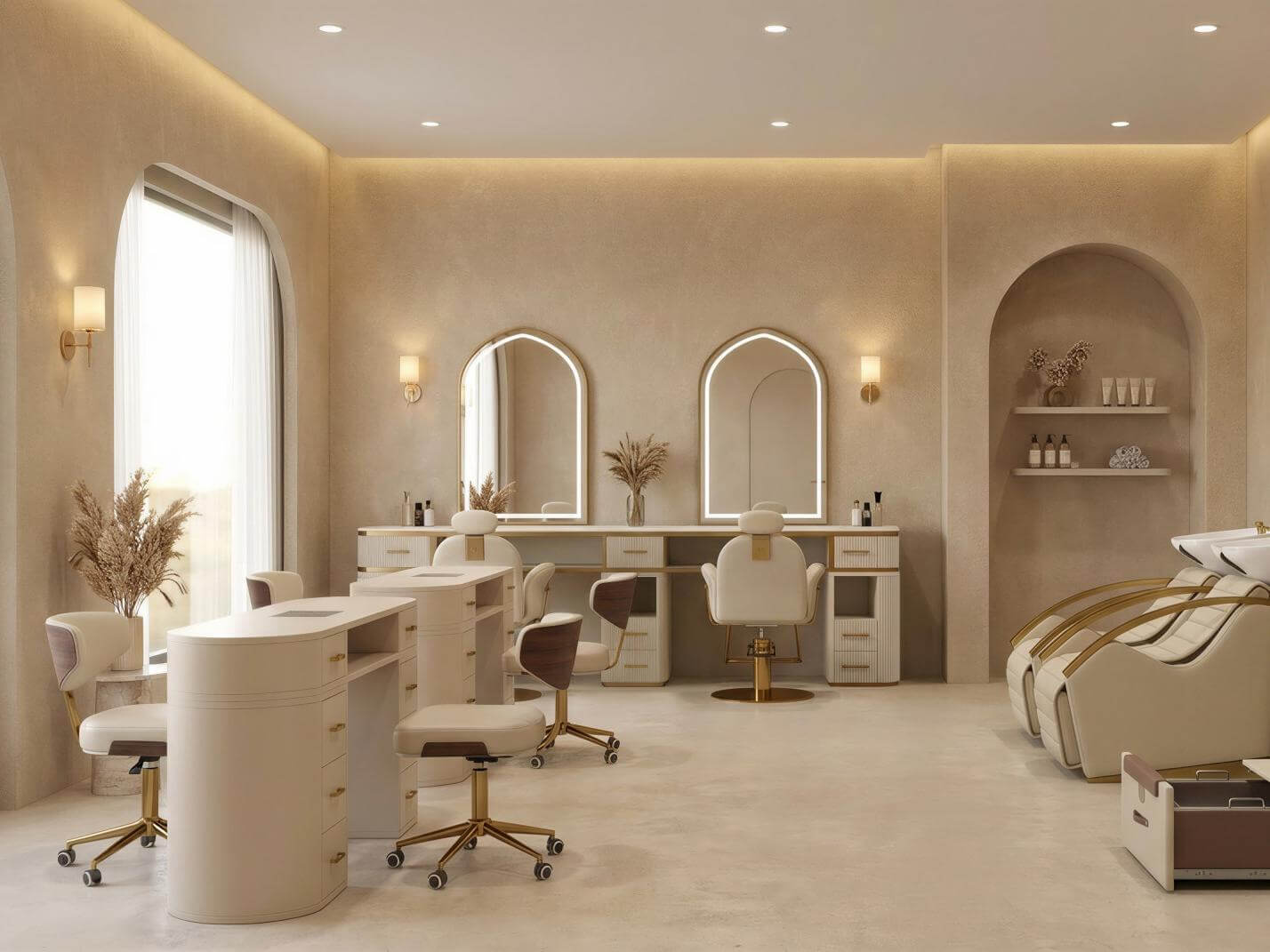 Parts


Inquiry
Form loading...
Picking out the right salon chair isn’t just about matching it to your decor — it’s actually a pretty big business decision. Customers notice whether the chair supports their back comfortably, if the hydraulic pump lifts smoothly, and whether the upholstery feels clean after those long appointments. On the flip side, salon owners are thinking about different things — like repair costs, exposure to water, staff posture, and whether the chair holds up day after day.
According to the 2024 Global Wellness Economy Monitor from the Global Wellness Institute, the worldwide wellness industry was valued at a hefty $6.3 trillion in 2023. Meanwhile, Grand View Research highlights that areas like wellness services, personal care, and experience-driven offerings are really booming. Now, these reports don’t track every single salon chair sale, but they do point to a clear trend: today’s clients are expecting more comfort, better hygiene, and visible quality. If you pick a shabby chair, it can quickly ruin that whole vibe.
As design expert Don Norman says, "Good design is actually a lot harder to notice than poor design." And honestly, that’s right on the money for salon equipment too. A well-made chair should just blend into the service — it shouldn’t wobble, pinch, stain easily, or make the stylist bend in uncomfortable ways. When choosing for hair styling, think about hydraulic range, foot support, foam comfort, and how easy it is to clean. For pedicure stations, take a look at basin depth, plumbing access, drainage, and how well clients’ legs are supported.
Now, a fancy-looking Foot SPA Chair, pedi chair, Nail SPA Chair, or any pedicure chair might seem like the real deal — but don’t be fooled, they can still fall apart when used daily under heavy traffic. I’ll admit, sometimes I get caught up valuing appearance too much when comparing models. But honestly, real performance comes down to testing. Sit down, move the pump, check the seams, and see how it feels. Also, don’t forget to compare warranty terms, parts availability, installation needs, and look at reviews from trusted brands like Takara Belmont. The best salon chair is one that keeps your clients comfortable, improves your workflow, and stands the test of time—long-term, it’s the real win.
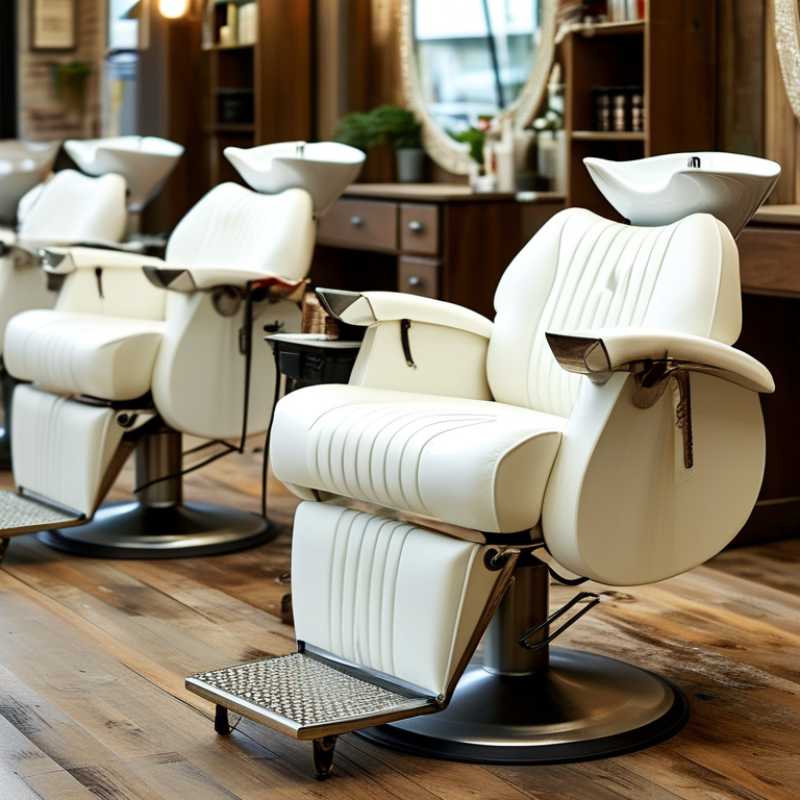
Choosing a salon chair for hair salon operations starts with defining the work your team performs daily. List each service, appointment length, stylist height, and client profile. A chair for quick trims may need different support than one used for three-hour color appointments. Measure the station, walkway, footrest clearance, and shampoo area before reviewing styles. A beautiful chair may still block movement.
Business goals should guide the specification. If faster services matter, prioritize smooth height adjustment, easy cleaning, and stable hydraulic movement. If premium positioning matters, evaluate cushioning, upholstery texture, and client transfer comfort. The U.S. Bureau of Labor Statistics projects 8% employment growth for barbers, hairstylists, and cosmetologists from 2022 to 2032. That growth can increase chair demand and daily wear. Plan for repeated use, not showroom appeal.
Test the chair in real conditions. Sit for 20 minutes. Ask a stylist to adjust it repeatedly. Check whether the footrest supports different leg lengths. OSHA’s Recommended Practices for Safety and Health Programs emphasizes identifying workplace hazards and involving employees in prevention. Their feedback matters. I would not trust a soft seat alone; foam can flatten, and dark upholstery can hide product residue. That is an easy mistake. Record cleaning time, repair access, warranty terms, and replacement costs. A lower purchase price may quietly create higher labor expenses. Revisit the decision after one busy week.
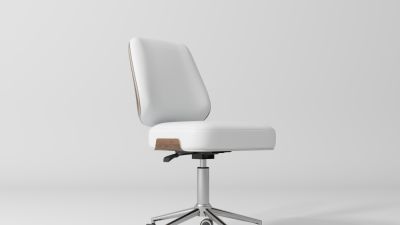
The 1118B Rotating and Movable Salon Beauty Stool is designed to support comfort, flexibility, and efficient professional performance throughout the working day. Its rotating seat allows beauty professionals to adjust their position smoothly while serving clients, helping reduce unnecessary stretching and movement. The movable design also makes it easy to reposition the stool around treatment areas, workstations, and salon equipment.
Built for practical salon use, the stool provides a supportive seat that encourages a more comfortable working posture during detailed services such as styling, skincare, nail care, and other beauty treatments. Its compact structure fits easily into professional spaces without limiting movement, while the stable base helps provide dependable support during routine tasks. The adjustable working position enables professionals to maintain better access and control when working with clients at different heights.
With its combination of mobility and ergonomic function, the 1118B can help create a smoother workflow in busy salons, studios, and beauty treatment rooms. The clean, professional appearance blends naturally with a variety of interior styles, while its practical construction is suited to frequent daily use and changing service requirements.
: List each service, appointment length, stylist height, and client profile. A trim chair may need less support than a three-hour color chair. Measure carefully.
Measure the station, walkway, footrest clearance, and shampoo area. A large chair may block movement between stations. A beautiful fit can still fail.
Choose smooth height adjustment, simple cleaning, and stable hydraulic movement. These features reduce small delays during busy appointments. Speed is practical.
Sit in it for 20 minutes. Ask a stylist to adjust it repeatedly. Check footrest support for different leg lengths. Listen for unusual sounds.
Inspect the frame, welds, joints, and hydraulic base. Strong metal construction usually handles moisture and daily impacts better. Small gaps can become costly repairs.
Examine the upholstery under bright light. Look for resistance to cracking, stains, and repeated disinfectant exposure. Ask for specific chemical-resistance information. “Easy to clean” is too vague.
Not always. Soft foam may flatten or compress unevenly after repeated use. Test the chair after several appointments when possible. Showroom comfort can mislead.
Check coverage for the pump, stitching, foam, and replacement parts. Also confirm repair access, service time, and replacement costs. A cheaper chair may create higher labor expenses.
A lighter chair moves more easily between stations. A heavier chair may offer a stronger frame and greater stability. Balance mobility against daily durability. I would reconsider after one busy week.
Choosing the right Salon Chair begins with understanding your salon’s daily operations, service goals, available space, and customer expectations. Consider whether you need styling chairs, barber chairs, shampoo units, or multifunctional seating, and compare how each type supports your services. Ergonomics and comfort are essential for both clients and professionals, so look for adjustable height, supportive padding, stable structure, and easy movement. A well-designed chair can improve service efficiency while creating a more comfortable experience.
Before purchasing, carefully evaluate materials, construction quality, weight capacity, water and plumbing requirements, installation needs, and the layout of your salon. Durable, moisture-resistant surfaces and reliable mechanisms can reduce replacement and repair costs over time. Your budget should include delivery, installation, routine maintenance, and possible replacement parts. Finally, review the warranty terms and the supplier’s support services to ensure dependable assistance after purchase. The best Salon Chair is one that balances functionality, comfort, durability, appearance, and long-term business value.