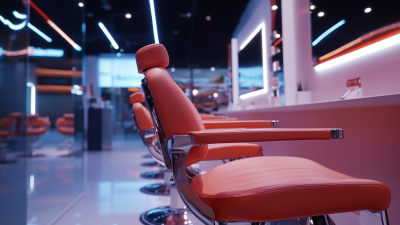
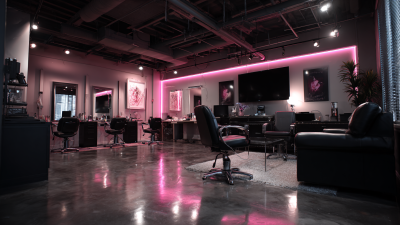
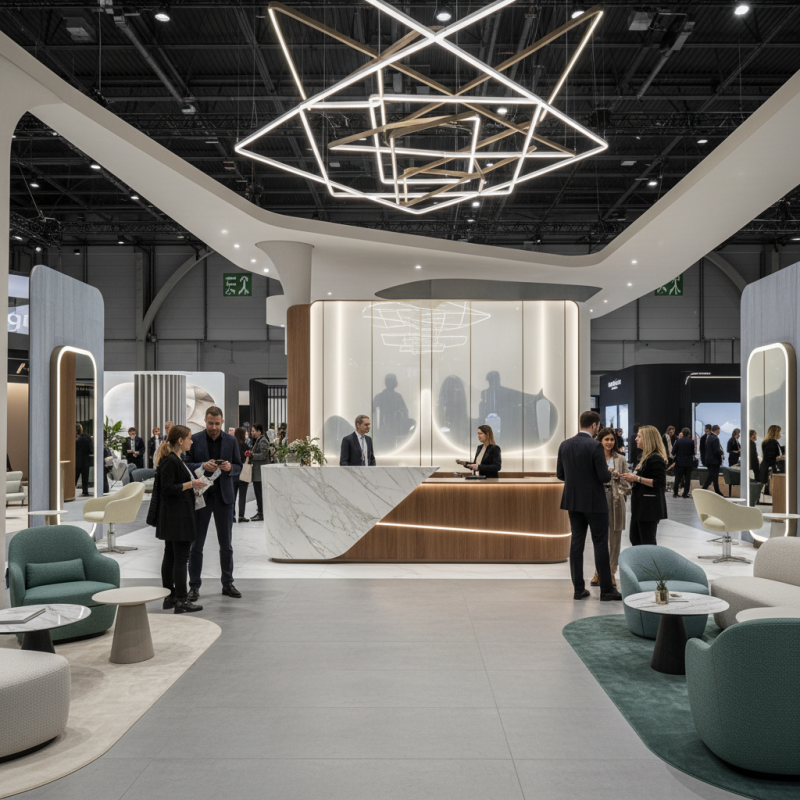
The 139th Canton Fair is just around the corner, and it’s set to showcase all the latest trends in salon interior design. It’s a great place to see how innovators are reshaping the look and feel of salon spaces, blending style with function. I was listening to Emily Cheng, a pretty well-known interior designer who’s really into transforming salon environments, and she said something that stuck with me: “Creating a welcoming atmosphere is essential in salon interior design.” That really highlights how much focus there’s now on making sure customers not only get a great haircut but also feel comfortable from the moment they walk in.
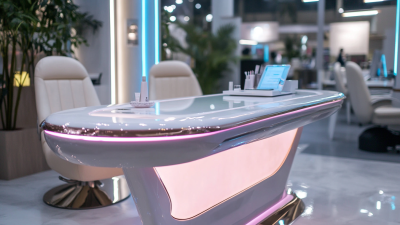
At the Fair, you’ll get to see some seriously cool, cutting-edge designs that don’t just look good—they’re also super practical. For example, the cashier counter designs for salons are becoming more popular—they’re sleek, elegant, but still totally functional for transactions. The goal is to strike a balance between style and efficiency, which is pretty important in today’s competitive market.
Of course, it’s not all smooth sailing. Many salons face the challenge of trying to stay on a budget while still wanting that upscale, trendy vibe. Sometimes, what works on paper doesn’t quite work out in real life, leading to a bit of disappointment. But honestly, these kinds of struggles can actually push the industry to think outside the box and come up with even better ideas. The Canton Fair is a perfect chance for industry leaders to discuss these hurdles and hopefully spark the next big thing in salon interior design.
Salon Interior Design Trends Overview at the 139th Canton Fair
The 139th Canton Fair serves as a vital stage for showcasing salon interior design trends. Recent reports highlight a growing preference for minimalist designs. Designers are focusing on simplified aesthetics with clean lines and functional spaces. This trend reflects a desire for relaxation and comfort in salon environments.
One standout element is the Nail Table Design. This piece is essential for creating a professional yet inviting atmosphere. Many salons are opting for sleek, modular Nail Tables that maximize space without sacrificing style. Data suggests that around40% of visitors specifically sought innovative furniture solutions during the event.
However, challenges remain. Many designers feel pressured to adhere strictly to trending styles. This can lead to a lack of individuality in salon designs. Unique customer experiences may suffer as salons prioritize trend compliance over personal touches. Balancing current trends with creative expression is crucial for long-term success.
Emerging Color Palettes in Salon Design at the Fair
Emerging color palettes are reshaping salon design at the 139th Canton Fair. Shades of muted terracotta and soft greens take center stage. These colors create a warm atmosphere. Designers utilize these hues to evoke relaxation and sophistication.
Interestingly, the combinations of earthy tones and pastel shades offer versatility. Some salons experiment with bold accents, using deep blues or rich burgundies. This mix can be thrilling but also challenging. Finding the balance between drama and harmony is key. It often requires brave choices and a keen eye for detail.
Textures play a vital role alongside colors. Matt finishes juxtaposed with reflective surfaces add depth. Fabrics like velvet or linen enhance the overall aesthetic vibe. However, not all combinations achieve the intended look. Some leave clients unsure. Continuous refinement of designs is necessary. Mistakes can lead to insightful discoveries in creating the perfect salon environment.
Innovative Materials Showcased for Salon Interiors
The 139th Canton Fair highlights a trend toward innovative materials for salon interiors. These materials enhance both aesthetics and functionality. Recent reports indicate that eco-friendly materials are gaining ground. Over 70% of interior designers now prioritize sustainability in their selections.
Natural stone, reclaimed wood, and recycled metals were prominently featured. Designers showcased the beauty of these materials, transforming salon spaces. Biophilic design is a major theme. Integrating natural elements can improve customer experience. Studies show that environments with nature-inspired designs can reduce stress levels.
However, not all innovations resonate with salon owners. Some expressed concern over durability and maintenance. Balancing style with practicality remains a challenge. Designers must ensure new materials withstand the rigors of daily use. This balance is crucial for creating spaces that are not only beautiful but also long-lasting.
Sustainable Design Practices Highlighted in Salon Displays
Sustainable design practices took center stage at the 139th Canton Fair. The salon displays highlighted innovative approaches, focusing on eco-friendly materials. Many exhibitors showcased furniture made from reclaimed wood. Such materials not only reduce waste but also add character to designs. Attendees appreciated the authenticity that comes with imperfections in reclaimed pieces.
In particular, the Nails Table Design caught the eye of many visitors. This piece exemplified the blend of functionality and sustainability. The unique use of nails as a design element raised discussions about craftsmanship and resourcefulness. However, while the aesthetic is striking, questions arose about practicality. Would it withstand daily use? The balance between beauty and durability needs careful consideration.
Additionally, the concept of biophilic design was prominent in various displays. This design philosophy connects indoor spaces with nature. Exhibitors incorporated living plants into their setups. Yet, maintaining plant health in indoor environments can be challenging. It requires commitment and knowledge. Overall, these discussions reflect the evolving landscape of interior design, pushing for a sustainable future while acknowledging the imperfections that come with it.
Functional Furniture Trends for Modern Salons
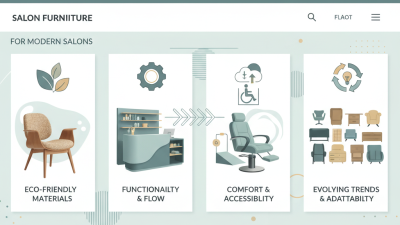
The recent trends in functional furniture for salons are captivating and innovative. Industry reports indicate a significant shift towards multifunctional pieces. Data shows that 70% of salon owners prioritize space efficiency in their design choices. This trend is vital as urban salons often face spatial constraints.
Lounge areas in salons are evolving. Comfortable seating that doubles as storage has gained popularity. Designers are creating compact, stylish options that fulfill multiple purposes. The right furniture can enhance both client experience and operational efficiency. For example, modular seating allows for easy rearrangement, adapting to various needs throughout the day. Yet, many salons overlook the impact of aesthetics on customer satisfaction. A mismatched or cluttered space can detract from service quality.
Moreover, sustainability is influencing modern salon designs. Eco-friendly materials are being favored, with a 50% increase in their usage reported. However, the challenge lies in balancing cost and environmental impact. Some salon owners find it difficult to invest in high-quality sustainable furniture. They often need to evaluate the long-term benefits versus immediate expenses.
Technological Integrations in Salon Interior Design
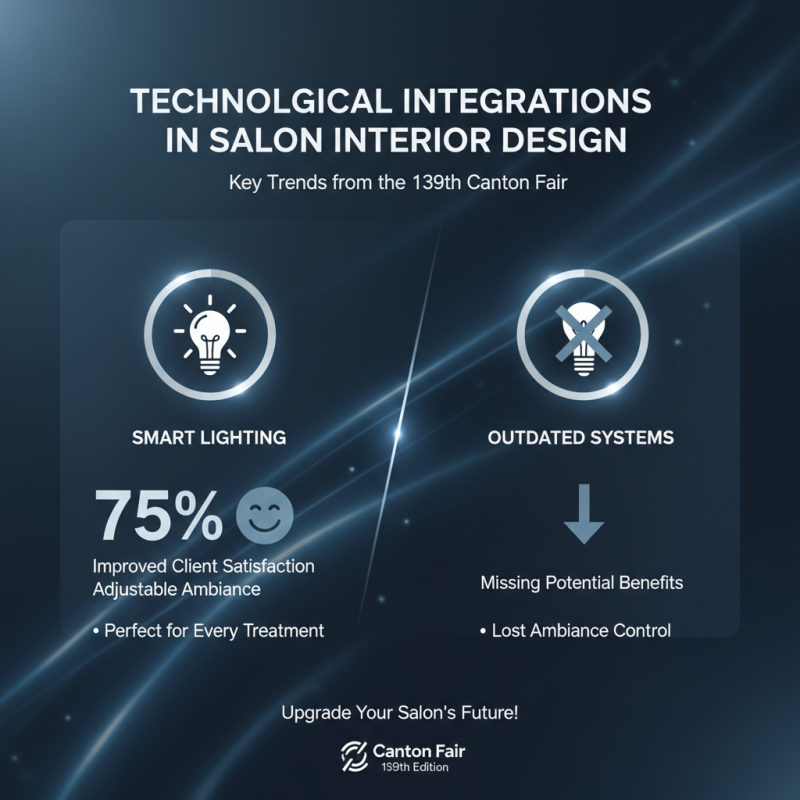
The 139th Canton Fair showcases exciting trends in salon interior design, focusing heavily on technological integrations. One growing trend is the use of smart lighting. Research suggests that 75% of salons report improved client satisfaction with adjustable lighting systems. Such systems allow stylists to create the perfect ambiance for every treatment. However, many salons still operate with outdated lighting arrangements, missing out on potential benefits.
Another significant innovation is the implementation of digital booking systems. A recent survey indicated that 67% of customers prefer salons that offer online reservations. This convenience not only attracts clientele but also enhances operational efficiency. Despite this, some salons struggle with integrating technology smoothly, leading to confusion during the booking process.
Tips: Invest in training your staff. Educating them on these technologies improves user experience. Consider "OEM Nail Table Design" to enhance functionality while maintaining aesthetics. Keep your interior cohesive and reflective of your brand's image. Adaptation to these trends requires ongoing evaluation and flexibility. It's essential to listen to customer feedback and continually build on your technological foundations.
Cultural Influences on Salon Aesthetics at the Canton Fair
The Canton Fair showcases a unique blend of cultural influences that shape salon aesthetics. Artisans from various backgrounds bring their heritage into design, creating rich textures and colors. Traditional motifs often meet modern interpretations, resulting in intriguing spaces. For instance, bamboo elements can evoke a sense of peace, while vibrant murals tell stories of communities.
Tips for incorporating cultural influences: Use local materials. They tell a story. Highlight designs that resonate with your clientele. A well-placed sculpture or art piece can be a conversation starter. The ODM Nail Table Design exemplifies this blend—combining functionality with artistic representation.
Using cultural elements thoughtfully can elevate a salon’s ambiance. Reflect on what your space communicates. Is it welcoming? Does it reflect identity? Balance is key; too many elements might overwhelm. Aim for harmony that resonates with visitors while celebrating diversity.
Salon Interior Design Trends at the 139th Canton Fair
| Design Element | Cultural Influence | Trend Popularity (%) | Color Palette |
| Natural Materials | Eco-Friendliness | 85% | Earth Tones |
| Minimalist Design | Japanese Aesthetics | 78% | Monochromatic |
| Vintage Decor | Retro Culture | 70% | Warm Pastels |
| Bold Patterns | African Influence | 65% | Bright Colors |
| Smart Technology | Modern Innovation | 90% | Neutral Shades |
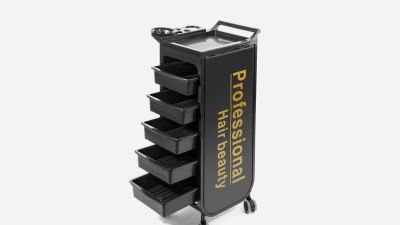
Maximize Efficiency and Style with the Ultimate Salon Tool Trolley: Your Essential Guide to Selection and Setup
When it comes to enhancing both efficiency and style in a salon environment, a well-chosen Salon Tool Trolley serves as an indispensable asset. The ultimate salon tool trolley helps streamline the workflow by providing organized storage for essential tools and products. When selecting the perfect trolley, consider factors such as mobility, ease of access, and the ability to customize storage options. A trolley with wheels is ideal as it allows for quick movement between workstations, ensuring that everything you need is within reach during busy appointments.
In addition to functionality, the aesthetic appeal of the salon tool trolley cannot be overlooked. A stylish design can complement your salon's overall theme, creating a cohesive and inviting atmosphere for clients. Look for trolleys that feature a variety of finishes and colors to align with your brand’s identity. Additionally, compartments and drawers that can be adjusted or removed can make it easy to rearrange items based on specific hair treatment needs, ultimately enhancing the service experience for both the stylist and the client. By taking the time to select and set up the right trolley, you can maximize efficiency while maintaining a chic and professional salon environment.
FAQS
: Minimalist designs are gaining popularity, focusing on clean lines and functional spaces.
They aim for environments that promote relaxation and comfort for customers.
Nail table design is essential for creating a professional and inviting atmosphere.
Around 40% of visitors sought innovative furniture solutions during the event.
Eco-friendly materials like natural stone and reclaimed wood are increasingly prioritized.
Integrating natural elements can enhance customer experience and reduce stress.
Some salon owners worry about durability and maintenance of these innovative materials.
Strict adherence to trends can risk unique customer experiences and personal touches.
Designers feel pressured to follow trends, which can limit creative expression.
It’s crucial to combine style with practicality to withstand daily use and maintain beauty.
Conclusion
The 139th Canton Fair showcased a variety of innovative trends in Salon Interior Design, highlighting a blend of aesthetics and functionality. Key trends included emerging color palettes that encapsulated modern vibrancy and tranquility, while innovative materials offered fresh textures and durability to salon environments. The fair also emphasized sustainable design practices, promoting eco-friendly materials that resonate with contemporary consumer values.
In addition, trends in functional furniture illustrated the need for versatile designs that optimize space in modern salons. Technological integrations, such as smart lighting and interactive displays, were also prominent, enhancing the overall client experience. Cultural influences played a significant role in shaping salon aesthetics, reflecting diverse styles and traditions that contribute to a unique ambiance. Overall, the fair provided a comprehensive look at the dynamic landscape of Salon Interior Design, paving the way for future developments in the industry.

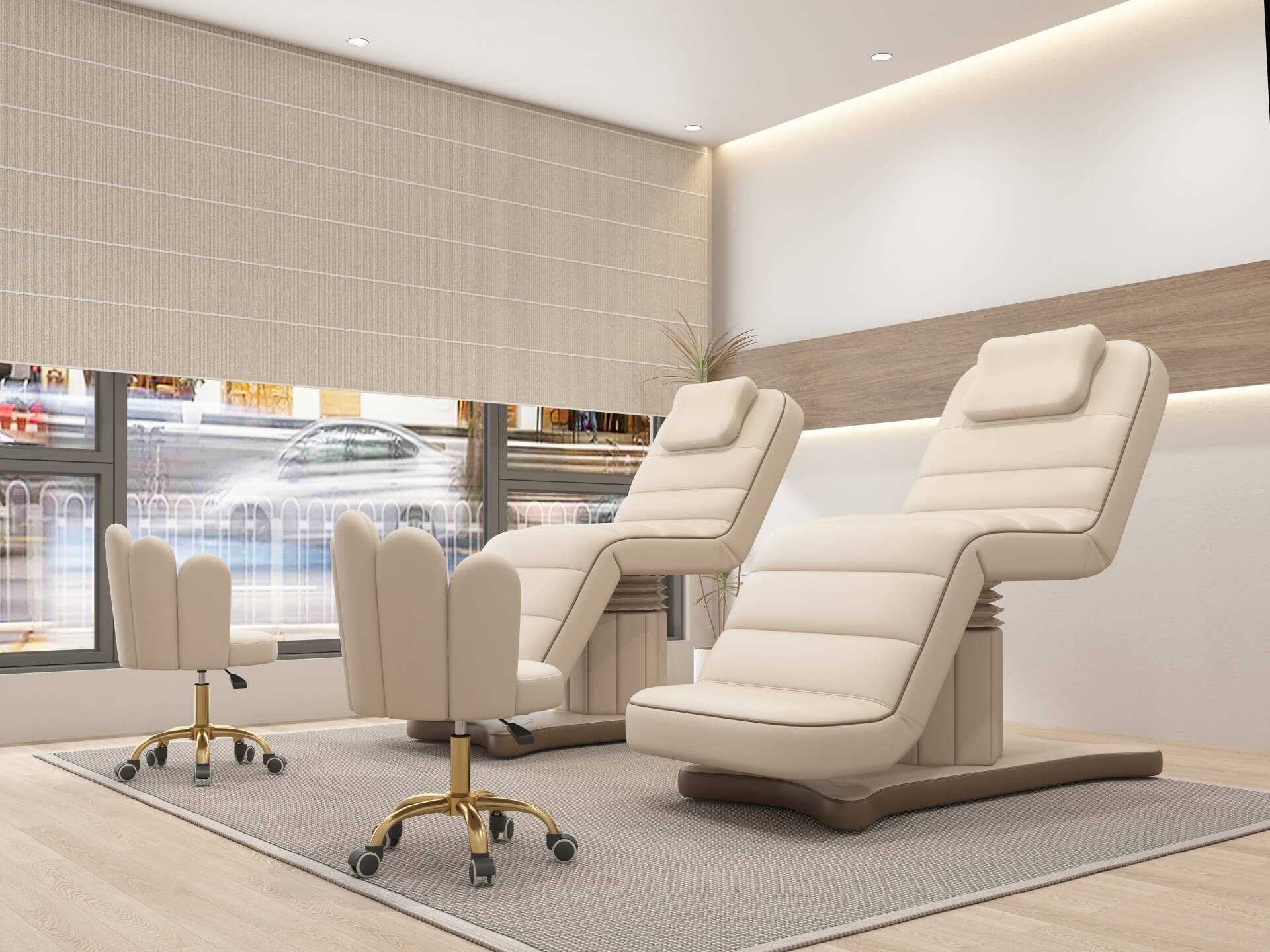 Skincare & Spa
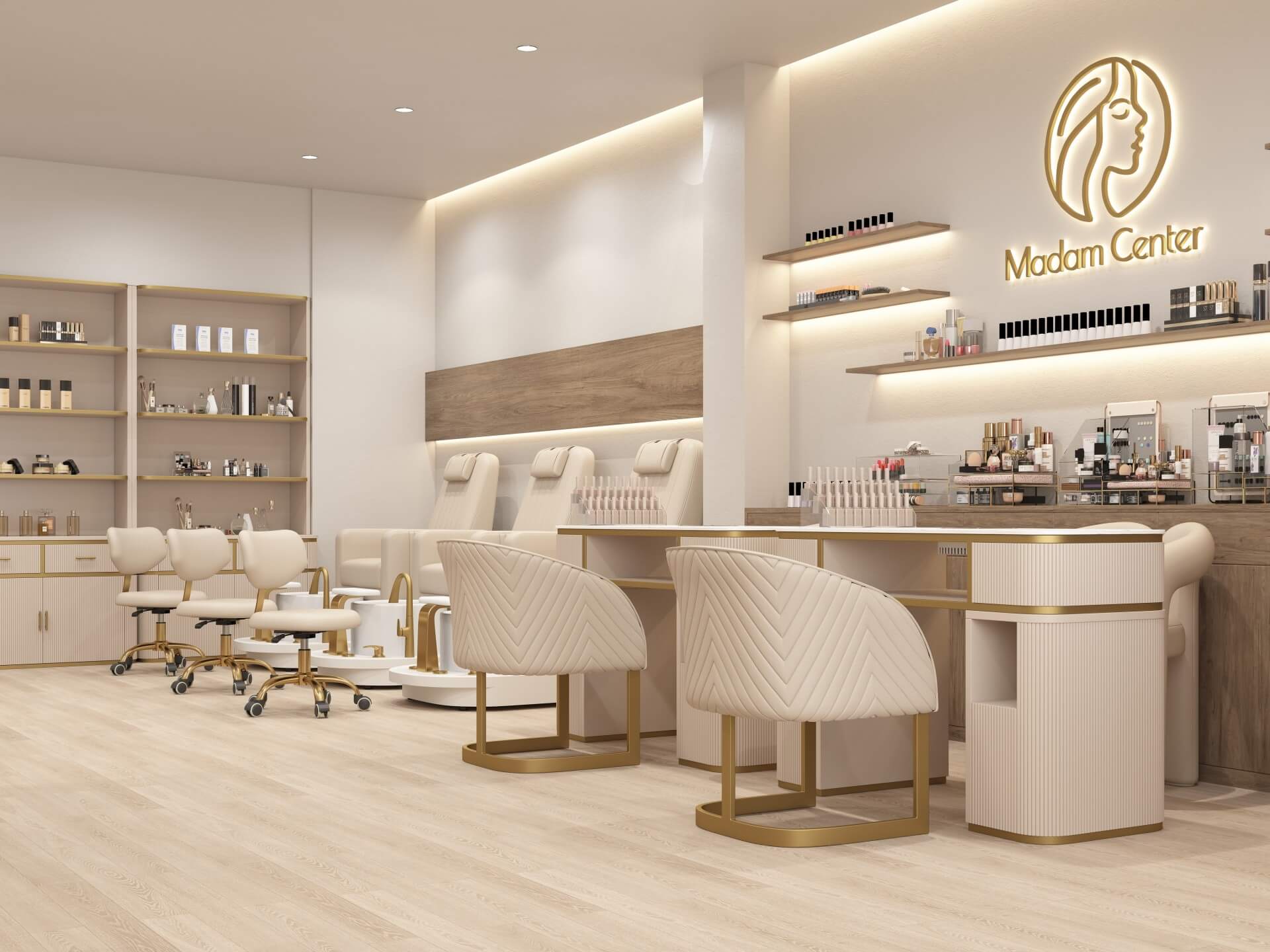 Nail Salon
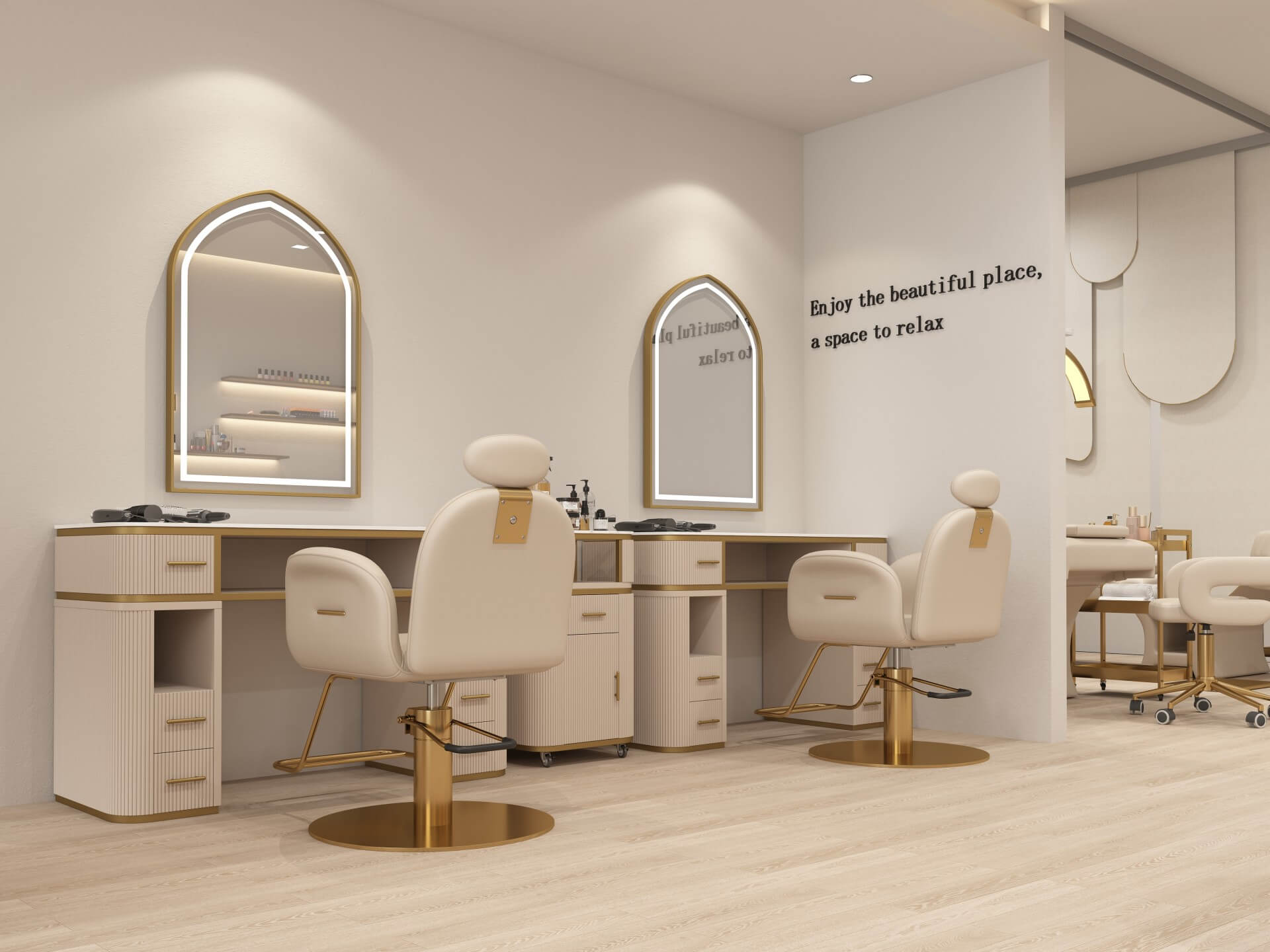 Hair Salon
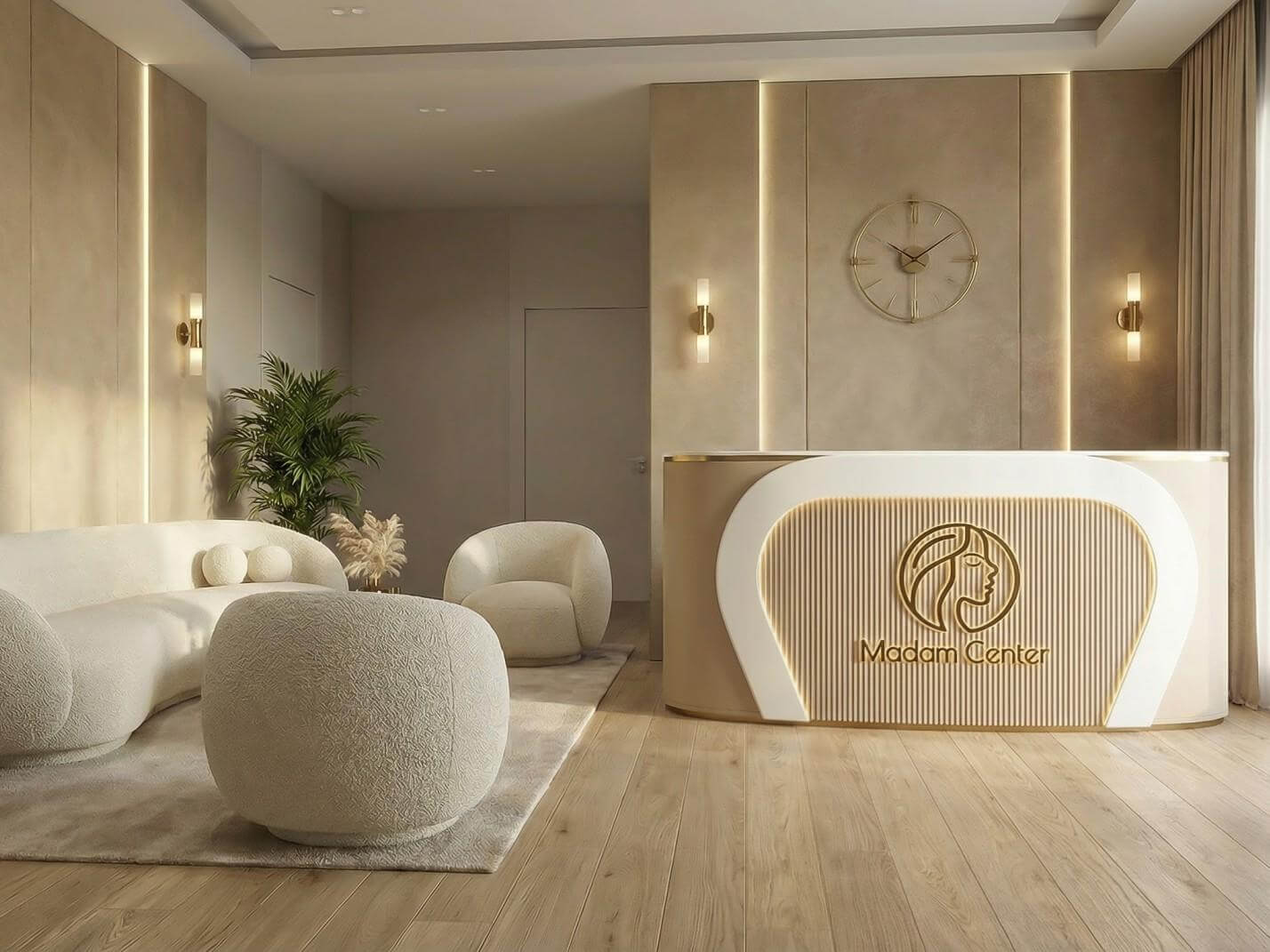 Salon Reception
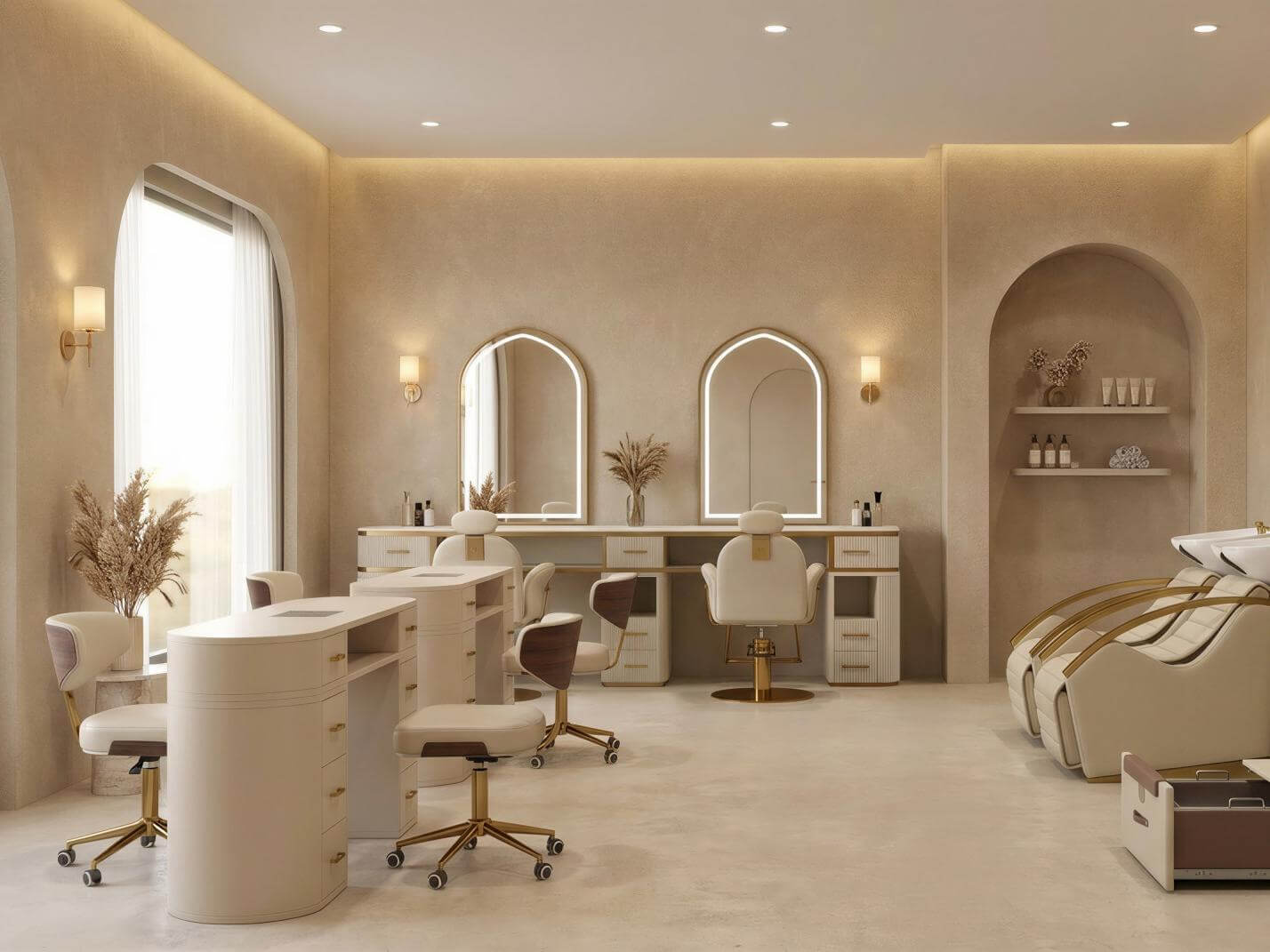 Parts