0%

Picking out the perfect cosmetology bed isn’t just about color, plush padding, or how it looks in the showroom. There’s actually a lot more to it—things like how it affects the quality of treatments, the posture of the technician, how comfy the client feels, cleaning routines, and even the daily costs. I mean, sure, a bed can look super elegant under bright lights, but if the hydraulic pump feels shaky after a few uses, that’s a different story. Little details really do matter.

Dr. Alan Hedge, a well-respected ergonomics researcher, once said, “Fit the task to the person, not the person to the task.” And honestly, that’s so true for every cosmetology bed out there. The right bed should support the client's body comfortably while letting the stylist work without having to bend or stretch too much. A good way to check? Just sit on it—adjust the height, take a look at the headrest, the backrest, the foot area, and see if there’s enough space to move around. Pay attention to any creaking or wobbling, and see if any pressure points feel uncomfortable.

Experience has also taught me that sometimes, the most expensive beds aren’t necessarily the best pick. Sure, they might look stunning with fancy upholstery, but if they don’t have enough adjustable features, it’s a problem. Or maybe they have powerful motors but end up making a lot of noise—annoying, right? And even surfaces labeled as washable can hide tiny crevices where product can get trapped. These little flaws are easy to overlook in just a quick demo.

This guide is here to help you pay attention to the important stuff—things like stability, weight capacity, electric adjustments, upholstery durability, maintenance needs, warranty support, and how well it fits into your room. It’s also about making sure your clients stay comfortable and your team remains safe. Remember, the most trendy bed isn’t always the best choice. What really counts is reliability, flexibility, and being honest about what it can or can’t do.
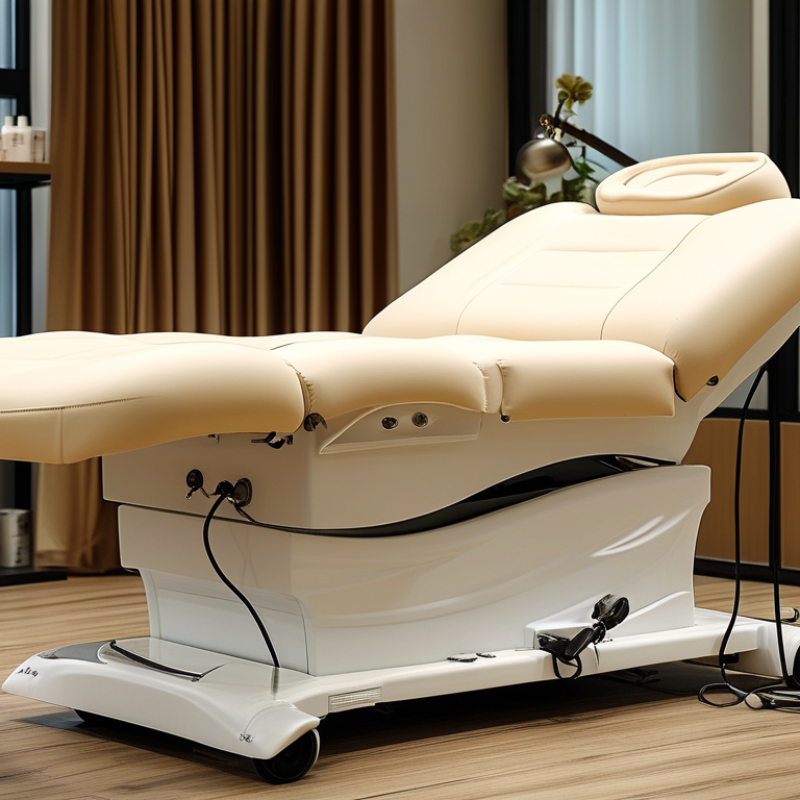
How to Choose the Best Cosmetology Bed for Your Salon?

Understanding the Role of a Cosmetology Bed in Salon Services

A cosmetology bed is not merely furniture; it shapes posture, access, sanitation, and client trust. During facials, waxing, or brow services, the bed determines whether practitioners can work closely without twisting. That matters during a full schedule. The International Spa Association’s 2024 U.S. Spa Industry Study reported $21.3 billion in spa revenue and 184 million visits in 2023. These figures suggest repeated contact, not occasional use. A poorly chosen cosmetology couch can turn minor discomfort into daily fatigue.

Choose adjustability according to services, not appearance. A powered backrest and suitable height range help practitioners align their shoulders and wrists. Test the lowest height while wearing work shoes. Check the headrest, leg support, and working clearance. A stable frame should resist movement when clients turn. Upholstery should be nonporous, sealed, and easy to disinfect between appointments. Ask whether seams trap product residue. They often do. OSHA ergonomics guidance also stresses reducing awkward postures and fitting workstations to the worker.

Client comfort is operational data. Track complaints about pressure points, cold surfaces, or difficult transfers for four weeks. The Global Wellness Institute reported a $6.3 trillion global wellness economy in 2023, showing how experience influences service expectations. Still, thicker cushioning is not automatically better. Excessive softness can reduce stability and make precise work harder. I would trial two or three beds during real services, then ask staff what they would change. Personal preference can mislead. A luxurious-looking bed may perform poorly under wet towels, rolling stools, and constant cleaning.

How to Choose the Best Cosmetology Bed for Your Salon?

Understanding the role of a cosmetology bed in salon services

The chart presents practical specification benchmarks commonly used when evaluating professional cosmetology beds. Adjustable height supports ergonomic working positions, a wide backrest angle improves treatment flexibility, and a higher safe working load improves stability for different clients and service types.

Identifying Your Salon’s Treatment Needs and Space Requirements

How to Choose the Best Cosmetology Bed for Your Salon?

Your treatment menu should decide the bed before your budget does. Facials need stable back support, easy height adjustment, and a surface that cleans quickly. Massage and body treatments require stronger frames, better cushioning, and enough length for full-body positioning. Waxing services need firm support and clear access around the client. A multi-position bed can support more services, but it may occupy valuable floor space.

The ISPA 2024 U.S. Spa Industry Study reported 183 million spa visits in 2023. That demand makes treatment efficiency important. Measure the room, doorways, storage areas, and therapist movement paths. Leave practical clearance beside the bed, not just enough space to place it. A crowded room slows service and increases awkward reaching. It can also make clients feel less relaxed. The perfect bed may not exist.

Tips:Draw the bed footprint on the floor with tape. Test each treatment around it. Check whether drawers, stools, and Trolleys still move freely. Ask therapists to assess height, access, and cleaning time. Their experience often reveals problems that product specifications miss. Keep a written measurement sheet, but review it twice. Small errors happen.

Comparing Cosmetology Bed Types, Features, and Adjustability

How to Choose the Best Cosmetology Bed for Your Salon?

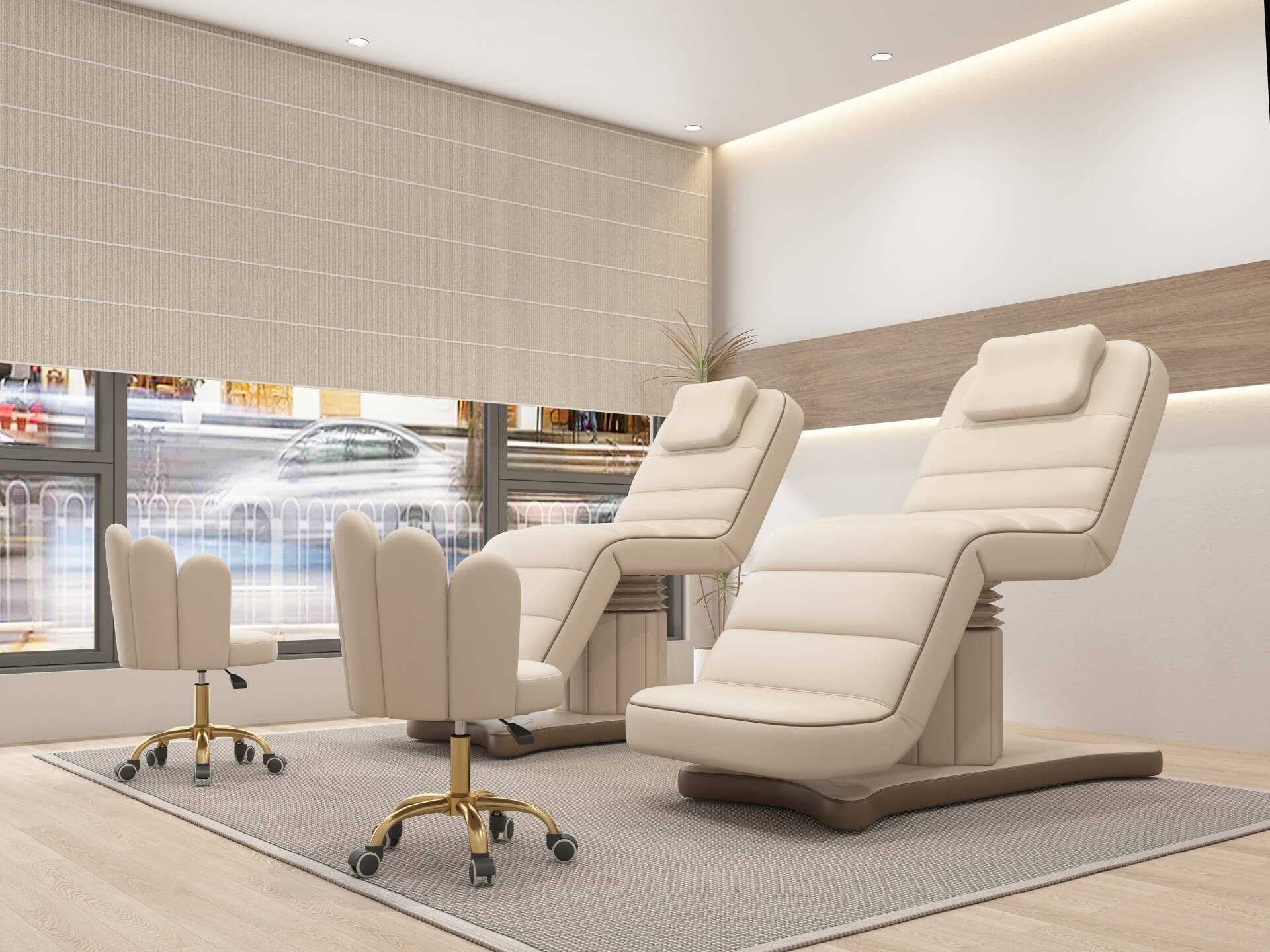
Choosing a cosmetology bed starts with the services your salon actually performs. A flat Facial Bed suits basic cleansing, masks, and short appointments. A spa treatment bed offers better support for longer sessions, including body treatments and relaxation services. A Facial SPA Bed may include a backrest, leg section, and adjustable height. These features reduce awkward bending and help clients remain comfortable.

Adjustability matters more than appearance. Electric controls allow smooth changes during facials, waxing, and massage-related treatments. Hydraulic systems can be reliable, but they may require more physical effort. Check the lowest height carefully. A bed that sits too high can strain shorter technicians. A wide cushion feels luxurious, yet it may limit movement in a compact treatment room. Small details matter.

Check the lowest height carefully.
A wide cushion feels luxurious, yet it may limit movement in a compact treatment room.

In working salons, therapists often notice noise before clients do. Test every motor and hinge in a quiet room. Listen for vibration. The upholstery should resist oils, water, and frequent disinfecting without becoming slippery. A removable face cushion can improve cleaning between appointments. Still, no design fits every service. I once preferred a heavily padded model, but its deep sides made client transfers awkward. That decision needed more thought. Before buying, place a stool beside the bed and imitate a complete treatment. Check your wrist angle, walking space, storage access, and the client’s entry path. Comfort should work for both people.

Evaluating Comfort, Support, Hygiene, and Client Safety

How to Choose the Best Cosmetology Bed for Your Salon?

A good aesthetician bed should support the client’s spine, neck, and knees without creating pressure points. Test it yourself before ordering. Lie down for ten minutes. Notice movement, noise, and edge firmness. A stable hydraulic base matters when clients enter or leave. The Beauty Bed should also adjust smoothly, while keeping the client’s body aligned during facials, waxing, or massage. OSHA’s ergonomics guidance links awkward postures and repetitive work with musculoskeletal strain, so adjustable height protects professionals too. Still, I would not trust a polished finish alone. A beautiful bed can feel unstable after months of daily use.

Hygiene requires more than removable towels. The CDC states that cleaning must occur before disinfection because residue can reduce disinfectant performance. Choose sealed upholstery, minimal seams, and surfaces that tolerate the manufacturer’s approved disinfectant. WHO’s 2022 global infection prevention report estimates that 7% of patients in high-income acute-care settings acquire at least one healthcare-associated infection. Salon environments differ, but the figure shows why routine surface control deserves serious attention. Check weight capacity, locking mechanisms, and side clearance. Ask whether staff can disinfect every corner quickly. Small gaps are easy to overlook. I have learned that comfort testing should include movement, not just stillness. A client may shift suddenly, and the bed should remain secure.

Assessing Materials, Durability, Maintenance, and Warranty

How to Choose the Best Cosmetology Bed for Your Salon?

When assessing a cosmetology bed, start with materials that match daily salon demands. A steel or reinforced aluminum frame should feel stable during adjustments and client transfers. Check every joint for movement, especially around the backrest and foot section. Quality upholstery should resist oils, dyes, moisture, and repeated disinfecting. The stitching matters too. Loose seams can collect residue and become difficult to clean.

Choose surfaces that tolerate approved salon disinfectants without cracking or fading. Avoid harsh cleaners unless the manufacturer clearly permits them. I once focused too heavily on appearance and overlooked a narrow gap beneath the cushion. It trapped hair and product residue. That mistake changed how I inspect equipment. Lift cushions, test moving parts, and examine hidden edges before buying. Maintenance should be practical, not theoretical. Smooth surfaces, removable covers, and accessible hinges save cleaning time between appointments.

Durability also depends on the bed’s working load, adjustment system, and frequency of use. Ask for documented weight limits and cycle testing when available. A dependable warranty should explain coverage periods, labor, replacement parts, and transport responsibilities. Read exclusions carefully. Some warranties exclude upholstery, damage from unsuitable cleaners, or commercial use. Keep invoices, installation records, and maintenance notes in one file. They can support a legitimate claim later. The strongest choice is not always the most expensive one. It is the bed your staff can inspect, clean, and service consistently.

Balancing Product Quality With Your Salon’s Budget

How to Choose the Best Cosmetology Bed for Your Salon?

A cosmetology bed is a daily work tool, not merely attractive furniture. Your choice should balance client comfort, technician posture, cleaning speed, and available cash. The U.S. Bureau of Labor Statistics projects 9% employment growth for skincare specialists from 2022 to 2032. That suggests sustained treatment demand and heavier equipment use. A weak frame, thin padding, or unreliable adjustment system can become an expensive interruption.

Set a practical budget before comparing features. Reserve money for delivery, installation, sanitation supplies, and future repairs. Hydraulic or electric adjustment may improve workflow, but the cheapest model can create hidden costs. Check its weight capacity, upholstery seams, warranty terms, and replacement-part access. Grand View Research reported continued growth in the global beauty salon market through 2030, but growth does not guarantee healthy margins for every salon. I would not overspend for features clients never notice. That is an easy mistake.

Tips: Test the bed for fifteen minutes. Ask a technician to simulate a full facial. Notice shoulder strain, motor noise, and awkward cleaning areas. Compare the total five-year cost, not only the purchase price. A mid-range bed with stable construction may outperform a premium-looking model. Still, staff preferences differ, so one test is not enough. Record feedback from several treatments before deciding.

Sources: U.S. Bureau of Labor Statistics, Occupational Outlook Handbook, 2024; Grand View Research, Beauty Salons Market Report, 2024.

Selecting and Testing the Best Bed for Your Salon Setup

Choosing the right salon bed requires more than comparing photographs and prices. A practical test reveals weaknesses quickly. I examine frame stability, height range, foam density, and upholstery seams. The bed should support smooth movement without rocking during treatments. A Beauty Bed Electric can improve working posture when its controls respond evenly and quietly. Test every position several times. Slow movement is not always a defect, but sudden stops deserve attention.

I place a weighted treatment bag on the bed and adjust it from the lowest setting to the highest. Then I check whether the motor strains or produces unusual noise. The backrest should hold its position without drifting. I also test the hand control while standing beside the bed, since awkward buttons can interrupt a busy appointment. Leave space around the base. Cables should stay clear of feet and cleaning equipment.

Client comfort needs direct observation. I lie on the surface for fifteen minutes and notice pressure around the shoulders, hips, and ankles. A soft cover may feel pleasant initially, yet it can lose support over time. That happened during one previous setup. The bed looked impressive, but the narrow padding tired taller clients. I now measure the usable length and width before ordering. Check cleaning instructions, weight limits, service access, and warranty terms carefully. Staff should test the bed in real working positions, not only admire its appearance.

FAQS

: What is a cosmetology bed used for?

: It supports facials, waxing, brow services, and massage. It also improves working posture. A poor bed can create daily fatigue.

How adjustable should the bed be?

Choose adjustable height and a powered backrest when possible. Test the lowest setting with work shoes on. Your shoulders and wrists should stay aligned.

What should I check before buying?

Test the headrest, leg support, frame, and working clearance. Lie down for ten minutes. Notice noise, movement, and edge firmness.

How can a bed improve client comfort?

It should support the spine, neck, and knees evenly. Watch for pressure points and cold surfaces. Thicker padding is not always better.

Why does stability matter during services?

The frame should resist movement when clients turn or shift. A stable base also supports safer transfers. Movement matters.

What upholstery is easiest to maintain?

Choose sealed, nonporous upholstery with few seams. The surface should tolerate approved cleaning products. Residue hides in small gaps.

How should salons evaluate hygiene?

Clean surfaces before disinfecting them. Residue can reduce disinfectant performance. Staff should reach every corner quickly.

How can staff test a bed properly?

Trial two or three beds during real services. Ask staff about wrist strain, rolling stools, and towel handling. Personal preference can mislead.

What safety features deserve attention?

Check the weight capacity, locking mechanisms, and side clearance. The bed should remain secure during transfers. Do not trust appearance alone.

How often should client feedback be reviewed?

Track complaints about pressure, coldness, and difficult transfers for four weeks. Patterns reveal practical problems. I might overlook them.

Conclusion

Choosing the right Cosmetology Bed is an important decision for any salon because it directly affects treatment quality, client comfort, and daily workflow. Start by identifying the services you provide, such as facials, skincare treatments, waxing, or other procedures, and measure your available space carefully. Consider whether a fixed, hydraulic, electric, or multifunctional bed best suits your operations, paying attention to height adjustment, reclining positions, stability, and ease of use.

A quality Cosmetology Bed should provide firm yet comfortable support, easy-to-clean surfaces, safe positioning, and reliable hygiene features. Examine the materials, construction, weight capacity, maintenance requirements, and warranty coverage to ensure long-term value. At the same time, compare these benefits with your salon’s budget rather than choosing solely by price. Before making a final decision, test the bed in a realistic setup, check its movement and comfort, and confirm that it allows staff to work efficiently while giving clients a secure and relaxing experience.
Sophia

Sophia

Sophia is a dedicated marketing professional at Guangdong Muchi Furniture Co., Ltd., where she combines her passion for furniture design with her expertise in digital marketing. With a deep understanding of the company's extensive range of high-quality furniture, including modern, classic, and......
Previous How to Choose the Best Salon Chair for Your Business?