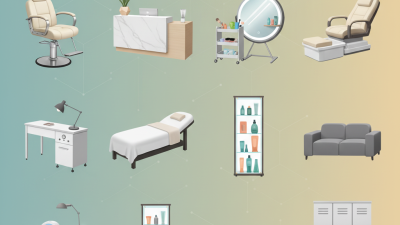
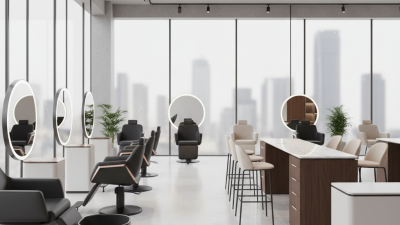
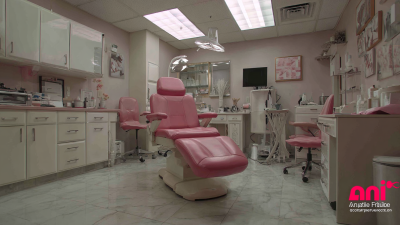
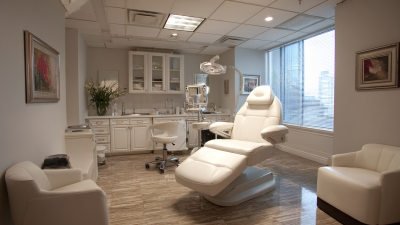
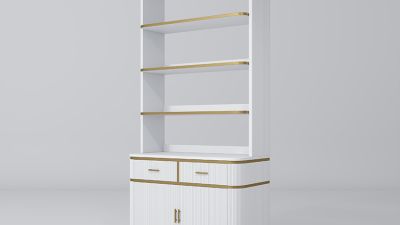
Hey, so with the global buzz around Beauty Furniture just exploding, it's clear that buyers in China are really keeping a close eye on what's trending. I recently chatted with Emily Wang from Elite Designs, and she pointed out something pretty spot-on: "The secret to doing well with Beauty Furniture is a mix of good looks AND practicality." That really highlights how much people are now looking for pieces that aren’t just pretty but also super functional in beauty salons.
The market over there is moving pretty fast, with designers trying out new materials and fresh designs that grab your attention. Some of these unique pieces aren’t just about making the space look fancy—they actually boost the whole customer experience. Take, for example, Beauty And The Beast Furniture. They mix whimsical, fun designs with practical features, which seems to really catch the eye of a wide range of clients.
That said, it’s not all smooth sailing. Some companies are finding it tough to keep up with the latest trends or adapt quickly enough. It’s so important for brands to stay in the loop about what customers want and what’s coming next. Investing in stylish, high-quality pieces can really give a business the edge. Watching market shifts and listening carefully to customer feedback are key moves if you want to stay ahead of the game. Overall, the scene for Beauty Furniture in China is lively and buzzing, but it’s also a pretty fast-changing space that keeps everyone on their toes.
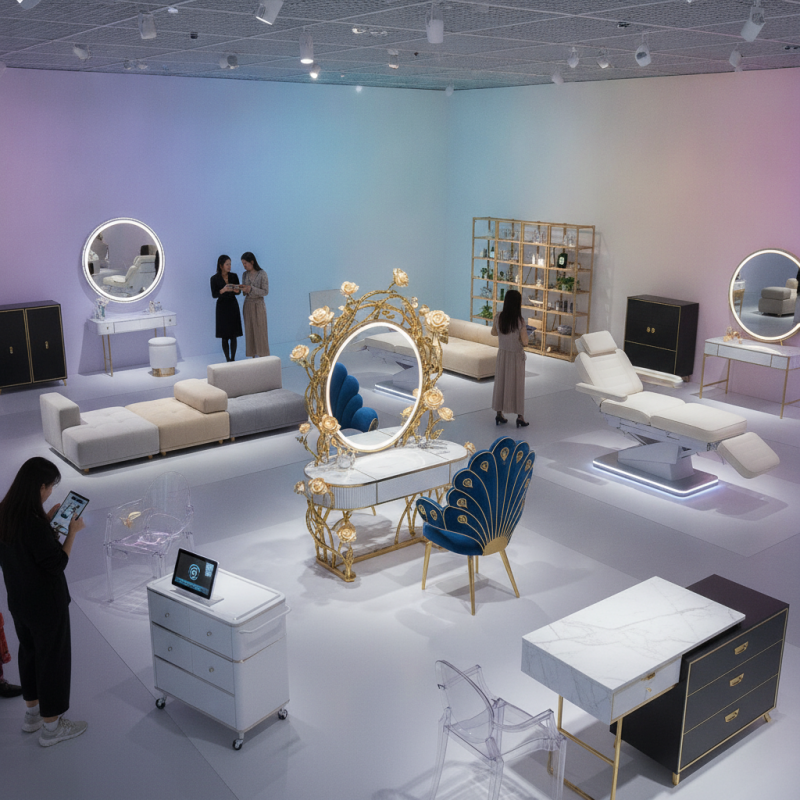
Top 10 Beauty Furniture Trends for Global Buyers in China
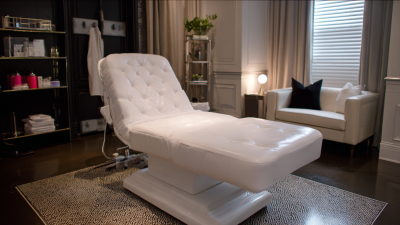
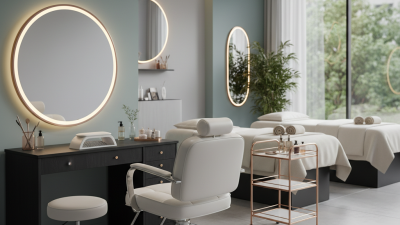
The beauty industry in China is continuously evolving, leading to dynamic trends in Beauty Clinic Furniture. Buyers globally must adapt to these shifts. Modern furniture now blends style and function, catering to diverse spaces. Minimalist designs are gaining traction, heavily emphasizing clean lines and neutral colors.
Tips: Consider the size of your space before choosing furniture. Compact options can maximize utility without compromising aesthetics. Look for pieces that encourage customer interaction and comfort. Vibrant accents can enhance the atmosphere without overwhelming the overall design.
Sustainability is another crucial trend. Recyclable materials and eco-friendly practices are more desirable than ever. However, the challenge lies in balancing sustainability with durability. Inspect materials closely to ensure they meet both criteria. Quality is paramount, so buyers must prioritize reliable suppliers.
Creating a unique experience is vital for beauty clinics. Customized furniture solutions can set a clinic apart from competitors. Yet, this demands an understanding of client preferences and trends. Engaging with local designs can evoke a sense of familiarity for clients, making them more comfortable in the space.
Top 10 Beauty Furniture Trends for Global Buyers in China
| Trend | Description | Popularity (%) | Sustainability Index |
| Minimalist Design | Simple and clean lines with functional aesthetics. | 85% | High |
| Eco-Friendly Materials | Use of sustainable wood and recycled materials. | 78% | Very High |
| Smart Beauty Furniture | Furniture equipped with technology for better functionality. | 72% | Medium |
| Vintage Aesthetics | Incorporation of retro styles into modern furniture design. | 65% | Low |
| Modular Furniture | Flexible furniture that can be easily rearranged. | 88% | High |
| Colorful Accents | Vibrant colors being used to brighten spaces. | 70% | Medium |
| Multi-Functionality | Designs that serve multiple purposes in small spaces. | 80% | High |
| Health-Oriented Furniture | Focus on ergonomics and wellness in design. | 75% | High |
| Artistic Elements | Incorporating unique art pieces into furniture design. | 68% | Low |
| Personalization Options | Furniture that can be customized to the buyer's preference. | 82% | Medium |
Current Market Overview of Beauty Furniture in China
The Beauty Furniture market in China is experiencing significant growth. According to recent industry reports, the market is expected to reach over $6 billion by 2025. This rise is driven by an increasing demand for high-quality and aesthetically appealing beauty furniture among salons and spas.
One notable trend is the move towards eco-friendly materials. Buyers are showing a preference for sustainable options, such as bamboo and recycled plastics, reflecting an awareness of environmental issues. The Avocado green mattress report points out that consumer preference for sustainability is reshaping product development in various sectors, including beauty furniture.
Tips: Consider the size of your space when choosing furniture. Compact designs can maximize usability without sacrificing style. Additionally, incorporating modular furniture allows for flexibility and adaptability in salon layouts.
Another emerging trend is the integration of technology into beauty furniture. Features like built-in charging ports and adjustable lighting are becoming common. Buyers are looking for furniture that not only serves a functional purpose but also enhances the overall client experience. Despite the appeal, navigating these tech elements can be complex. Investing in training for staff is crucial to fully utilize these advanced features.
The beauty furniture landscape in China continues to evolve, presenting opportunities and challenges for global buyers.
Emerging Styles Influencing Beauty Furniture Design
In recent years, the beauty furniture landscape in China has transformed significantly. Emerging styles play a crucial role in redefining this sector. Minimalistic designs with sleek lines dominate the market, allowing for functional elegance. Natural materials like wood and rattan are favored, enhancing warmth and inviting a sense of calm to beauty spaces.
Tip: Consider the lighting in your design. Soft, adjustable lighting enhances the overall ambiance. It can make a room feel spacious and inviting.
Bold colors and artistic shapes are gaining popularity, breaking the traditional norms. These vibrant elements make beauty spaces stand out while promoting creativity. However, many designs still struggle with functionality. Balancing aesthetics with practical use is essential.
Tip: Incorporate multifunctional furniture. This can save space and adapt to various beauty treatments.
As trends evolve, staying updated is vital. Designers must remain open to experimenting with innovative concepts. Reflection on past designs can lead to better adaptations in beauty furniture trends.
Top 10 Beauty Furniture Trends for Global Buyers in China
Sustainable Materials Driving Beauty Furniture Trends
Sustainability is reshaping the beauty furniture landscape, particularly in China. Recent reports indicate that 62% of buyers are now prioritizing furniture made from Eco-friendly materials. This shift reflects growing consumer awareness about environmental issues. Many beauty parlors are seeking to reduce their carbon footprint while enhancing aesthetics.
Wood and bamboo are popular choices due to their renewable nature. Bamboo furniture, for example, uses 35% less energy in production than traditional hardwoods. However, the challenge lies in sourcing sustainable wood that meets rigorous environmental standards. Many manufacturers face scrutiny over the authenticity of sustainability claims.
Additionally, recycled materials are gaining traction in Beauty Parlor Furniture design. Data shows that products made from reclaimed materials increase in demand by 20% annually. This trend pushes designers to innovate creatively. Despite the progress, the industry still grapples with ensuring quality and durability while maintaining eco-friendly practices. Continuous efforts for improvement are essential for a truly sustainable future.
Innovative Technology Integration in Beauty Furniture
The integration of innovative technology into beauty Salon Furniture is reshaping the industry. Smart mirrors equipped with augmented reality allow clients to visualize different looks instantly. These mirrors aid professionals in giving accurate recommendations, enhancing the customer experience significantly.
Moreover, furniture designed with integrated charging stations is becoming increasingly popular. This feature addresses the need for convenience in today’s fast-paced world. Stylists can optimize their workflow, leading to better service quality. However, the reliance on technology brings challenges. Not all salon staff may be comfortable using advanced tools, necessitating training programs.
Additionally, some beauty salon furniture is now incorporating customizable lighting options. This can create the perfect ambiance tailored to different treatments. However, choosing the right technology involves careful consideration and investment. Over-reliance on any one tool can hinder the creativity and craftsmanship that define the beauty industry. Balancing tech and artistry remains a key area of reflection for many beauty professionals.
Cultural Influences Shaping Beauty Furniture Aesthetics
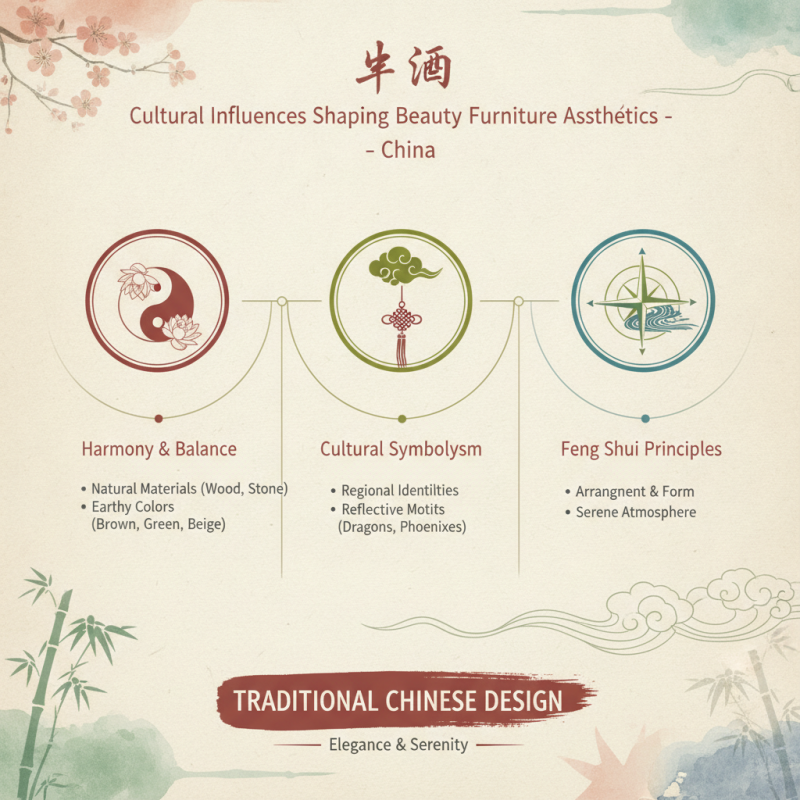
The aesthetics of beauty furniture in China are deeply influenced by cultural elements. Traditional Chinese design emphasizes harmony and balance. This is evident in the use of natural materials and earthy colors. Cultural symbolism often shapes furniture styles, reflecting regional identities and preferences. For instance, Feng Shui principles dictate the arrangement and forms of furniture to create a serene atmosphere.
Tips: Consider the role of color in your space. Warm, inviting hues often evoke feelings of tranquility. Incorporating local art into your furniture design can also create a richer narrative.
Modern trends blend tradition with contemporary styles. Minimalist designs have gained popularity among younger consumers. However, this trend sometimes overlooks cultural nuances, which can lead to a disconnect with local buyers. Striking a balance between modern aesthetics and traditional values is crucial.
Remember to acknowledge the cultural significance behind your choices. Understanding local craftsmanship can enhance the overall experience. Always keep in mind that beauty is subjective, and what resonates with one person may not with another. Embrace these differences to create truly unique designs.
Color Palettes and Finishes Popular in Chinese Beauty Furniture
In recent years, color palettes and finishes in beauty furniture have undergone significant transformation in China. According to a report by the China National Furniture Association, the demand for warm and earthy tones has surged. Shades like terracotta and muted greens evoke a sense of comfort and relaxation, essential for beauty environments. The shift towards minimalism is evident, where vibrant colors often take a back seat to softer hues.
Finishes play a crucial role in enhancing overall aesthetic appeal. Matte textures and natural wood finishes are increasingly favored by consumers. They provide a more organic feel that aligns with current design preferences. However, this move towards natural materials can reflect a challenge. Some manufacturers struggle with sourcing sustainable options. Balancing aesthetics with eco-friendliness remains a pressing concern.
Data from market research indicates that buyers are also drawn to multifunctional designs. These solutions, which blend form and function, allow for creative space utilization. Yet, achieving harmony in form and utility can be tricky. Designers must keep innovating while maintaining a clear focus on user experience. As trends evolve, understanding this dynamic is essential for manufacturers aiming to captivate the discerning Chinese market.
Future Predictions for Beauty Furniture Trends in China
The future of beauty furniture trends in China is increasingly shaped by the rise of sustainability. Buyers are now looking for eco-friendly designs that minimize waste. Materials like bamboo and reclaimed wood are becoming popular choices. These materials not only appeal to the environmentally conscious but also ensure durability and style. Consumers are showing interest in furniture that tells a story, reflecting their values and commitment to the planet.
Another emerging trend is the integration of technology into beauty furniture. Smart mirrors with built-in lighting and augmented reality features are in high demand. Users can try on virtual makeup looks seamlessly. However, this technology can complicate the design process. Balancing functionality with aesthetics remains a challenge for designers in this evolving landscape. Creating user-friendly, intuitive products is essential for success.
Lastly, personalization is a significant trend. Buyers want pieces that fit their unique styles and spaces. Customizable furniture options are gaining traction. However, offering too many choices can lead to decision fatigue for consumers. Designers must strike a balance between variety and simplicity. Understanding the target market remains crucial for businesses navigating these trends in China’s competitive beauty furniture market.
Maximize Your Beauty Space: The Essential Guide to Choosing the Perfect Display Cabinet for Your Salon
Maximizing your beauty space is crucial for any salon looking to enhance both functionality and aesthetics. A well-chosen Display Cabinet not only organizes your products but also transforms the vibe of your salon, making it more inviting to clients. According to industry reports, salons that invest in high-quality display furnishings see an increase in client satisfaction and retention rates, with up to 70% of clients more likely to return when their experience is visually appealing.
When selecting the perfect display cabinet, consider both the layout of your space and the type of products you wish to showcase. Opt for glass cabinets that allow for visibility while protecting your items, as research indicates that transparent displays can boost product sales by up to 25%. It's essential to ensure that the cabinet complements your salon's overall decor, fostering a cohesive atmosphere that reflects your brand's identity. Furthermore, incorporating adjustable shelving can provide flexibility to display various product sizes, catering to seasonal trends and new arrivals.
Lighting also plays a significant role in how your products are perceived. Strategically placed LED lights can enhance the look of your display, making products stand out more effectively. Studies show that well-lit displays can increase customer engagement by 40%, encouraging them to explore the offerings more thoroughly. In short, choosing the right display cabinet is an investment that not only enhances your beauty space but also contributes to driving sales and improving customer loyalty.
FAQS
: Trends include minimalist designs, sustainable materials, and multifunctional furniture. Clean lines and neutral colors are popular.
Space size is vital. Compact furniture saves space and remains aesthetically pleasing. It encourages better customer interaction.
Warm and earthy tones, like terracotta and muted greens, are favored. They create a relaxing and welcoming environment.
Sustainability enhances brand image and meets consumer demand. However, finding durable, eco-friendly materials can be challenging.
Customized solutions set clinics apart. Understanding client preferences and local designs can foster a sense of comfort.
Matte textures and natural wood finishes are in demand. They offer an organic feel but can present sourcing challenges.
Balancing aesthetics with sustainability is tough. The quest for quality and eco-friendliness often requires innovative solutions.
These designs save space while providing various uses. However, achieving both form and function requires careful planning.
Quality is paramount. Ensure suppliers can deliver reliable, stylish, and sustainable furniture options for your specific needs.
Engage clients with customized furniture and locally inspired designs. This approach fosters familiarity and enhances comfort in the clinic.
Conclusion
The article "Top 10 Beauty Furniture Trends for Global Buyers in China" explores the vibrant landscape of beauty furniture in the Chinese market, highlighting key trends that are shaping the industry. It provides a current market overview, delving into emerging styles that influence beauty furniture design and the sustainable materials that are becoming increasingly popular. The integration of innovative technology is also examined, showcasing how modern advancements are transforming traditional beauty furniture.
Cultural influences play a significant role in shaping the aesthetics of beauty furniture, reflecting the diverse heritage and design sensibilities of China. Furthermore, the article discusses popular color palettes and finishes that are trending among buyers. Finally, it offers future predictions, providing insights into how these trends may evolve, ensuring that global buyers are well-informed about the direction of beauty furniture in China.

 Beauty & Spa
 Examination and Treatment
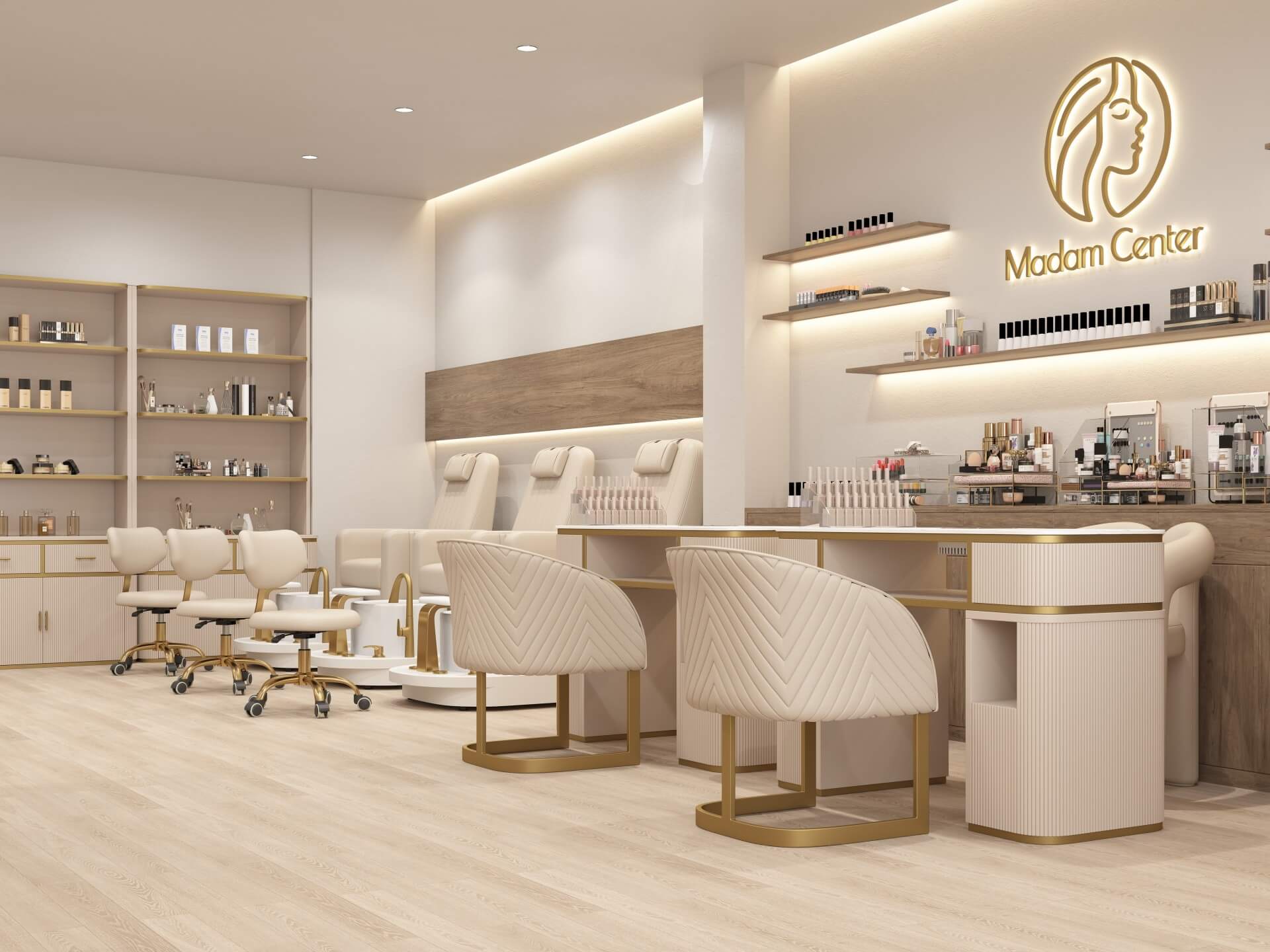 Pedicure & Manicure Nail Salon
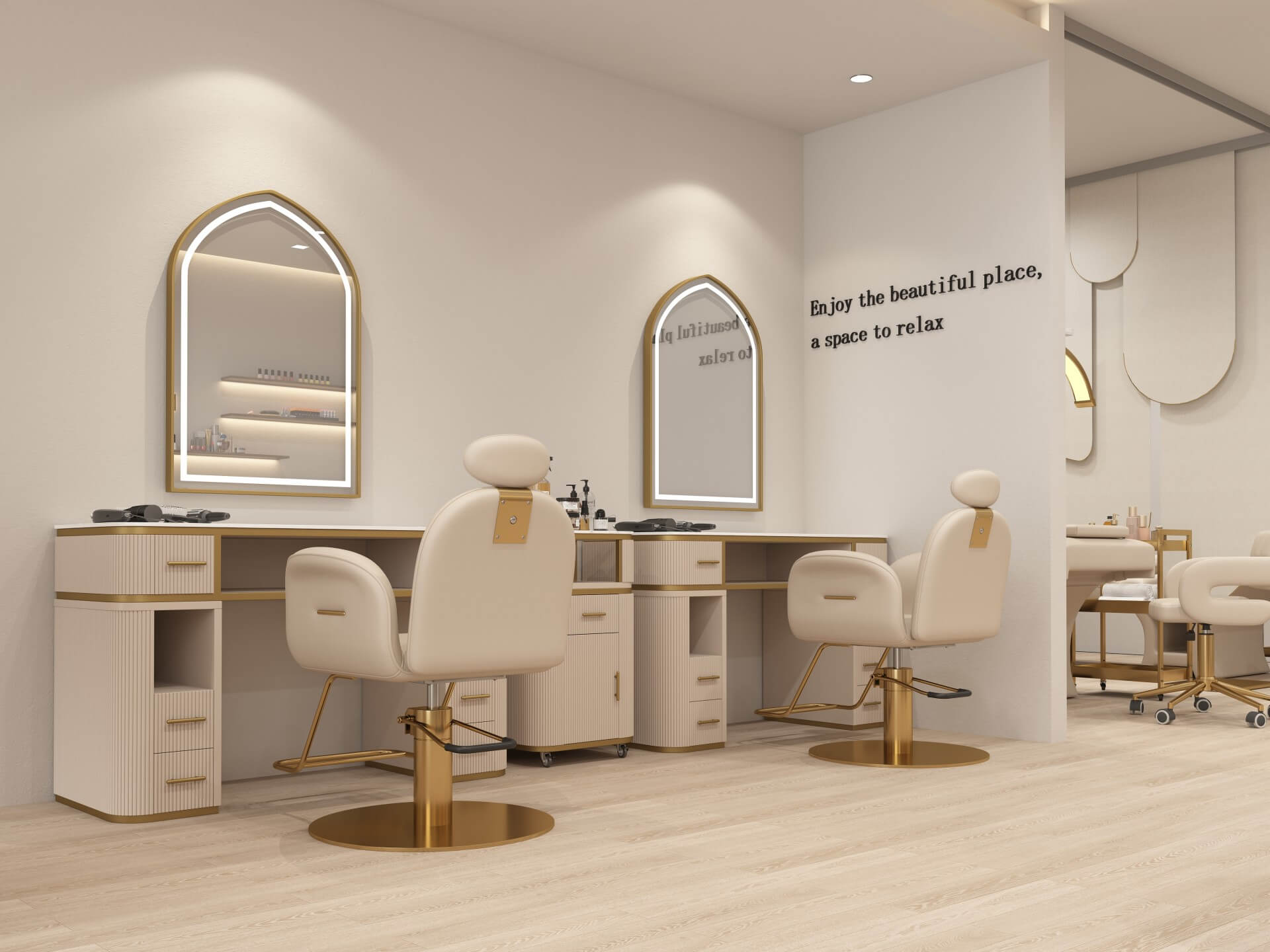 Barber & Hair Wash Salon
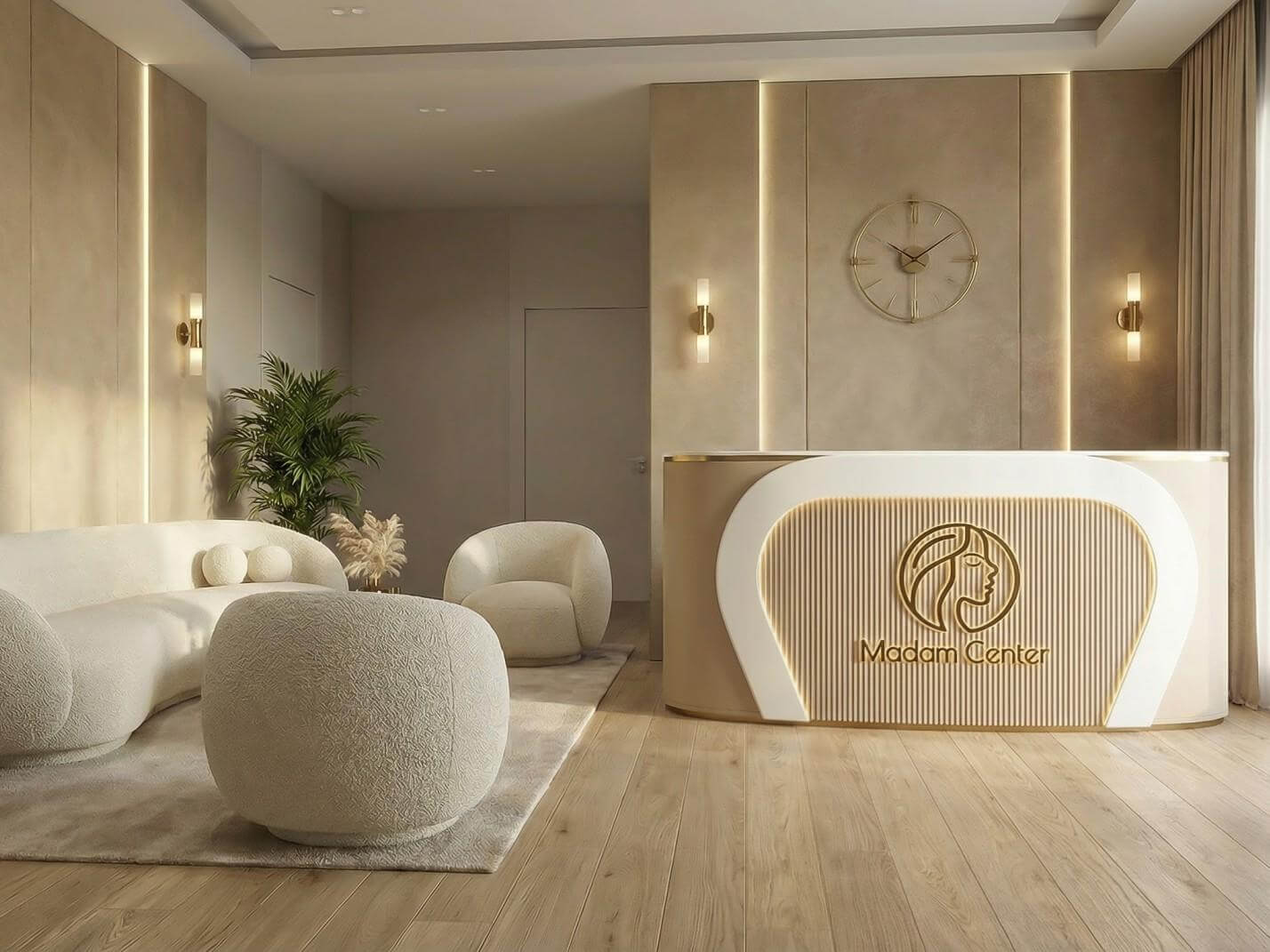 Salon Reception
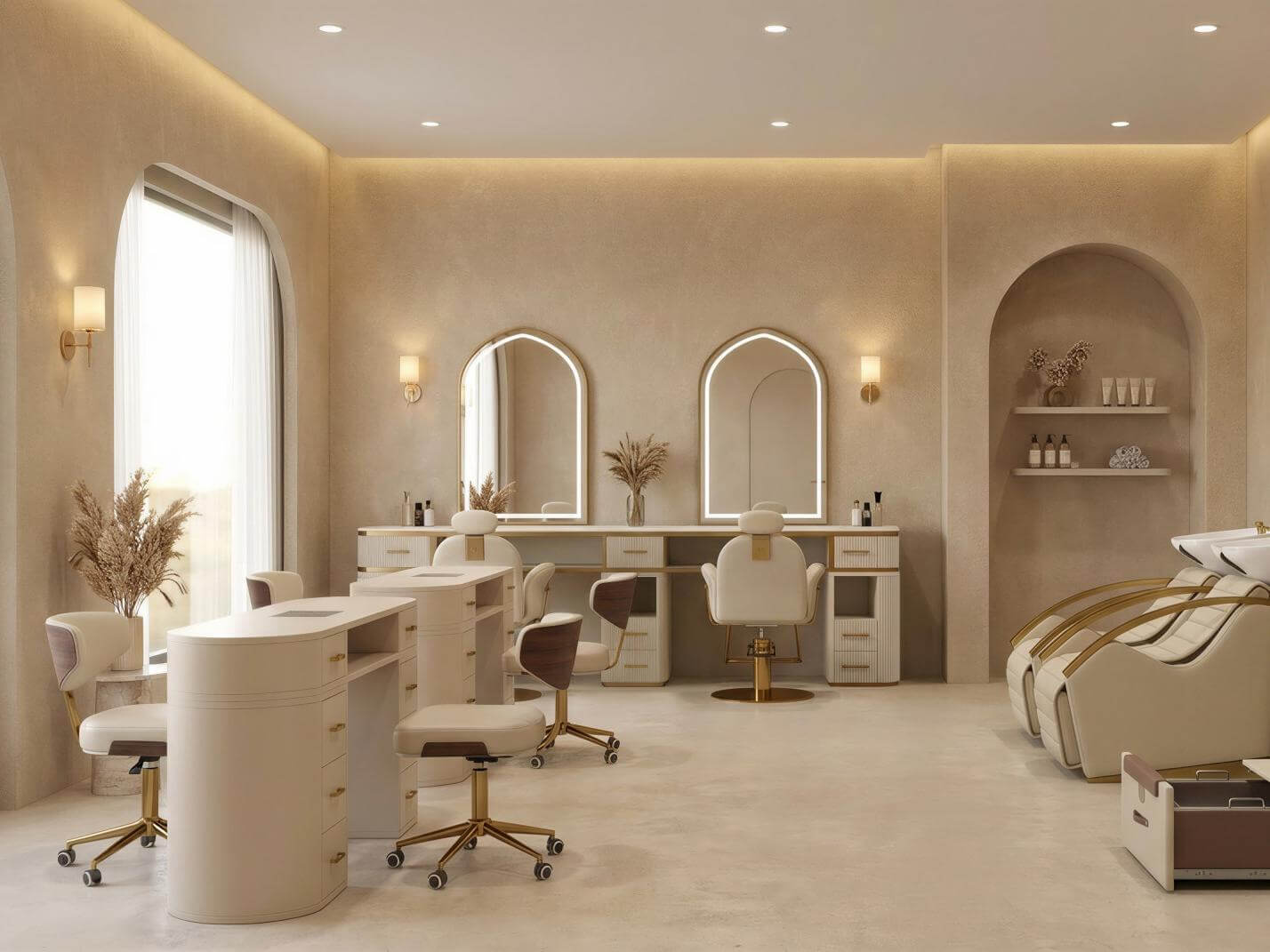 Parts