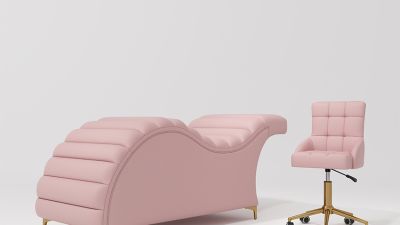
The 2026 Canton Fair is shaping up to be a pretty big event for the Beauty Furniture industry. It’s more than just a showcase—it’s a place where new ideas and trends really have the chance to shake things up in the market. As Alice Wang from Elegant Interiors puts it, 'Beauty Furniture combines eye-catching design with practicality.' Her comment hits the nail on the head, emphasizing how important it is to blend style with usability.
At this fair, you can expect a heavy focus on high-quality home furniture and decor. Thanks to some new AI tech, navigating the huge exhibition spaces should be a lot easier for visitors. Features like smart search tools will help connect buyers quickly with trustworthy suppliers, which puts a good deal of emphasis on quality assurance. It’s pretty exciting how tech is making us think more about the beauty of furniture—not just how it looks but how it functions, too.
Of course, in a competitive market, it’s worth thinking about how trends really impact what consumers want. The buzzword ‘Beauty And The Beast Furniture’ often comes up, sparking conversations about whether we’re just chasing pretty designs or if furniture can really be both stylish and sturdy. Will the newest designs really meet practical needs, or are they just eye candy? That’s exactly the kind of debate the fair wants to encourage—pushing us to rethink what beauty actually means in furniture. As the event gets closer, these kinds of questions will definitely be at the center of discussion.
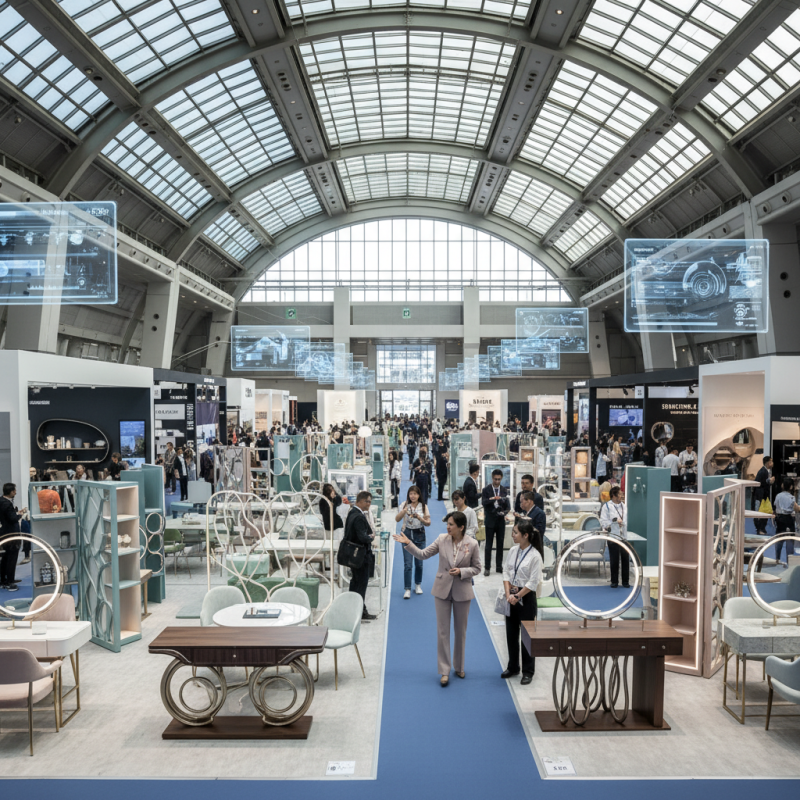
The Evolution of Beauty Furniture Trends in Recent Years
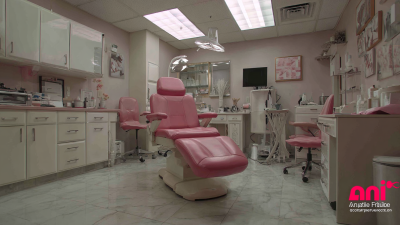
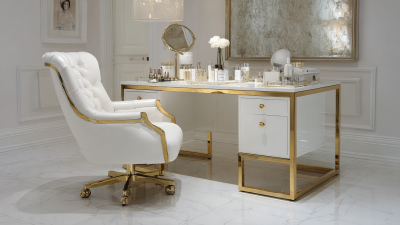
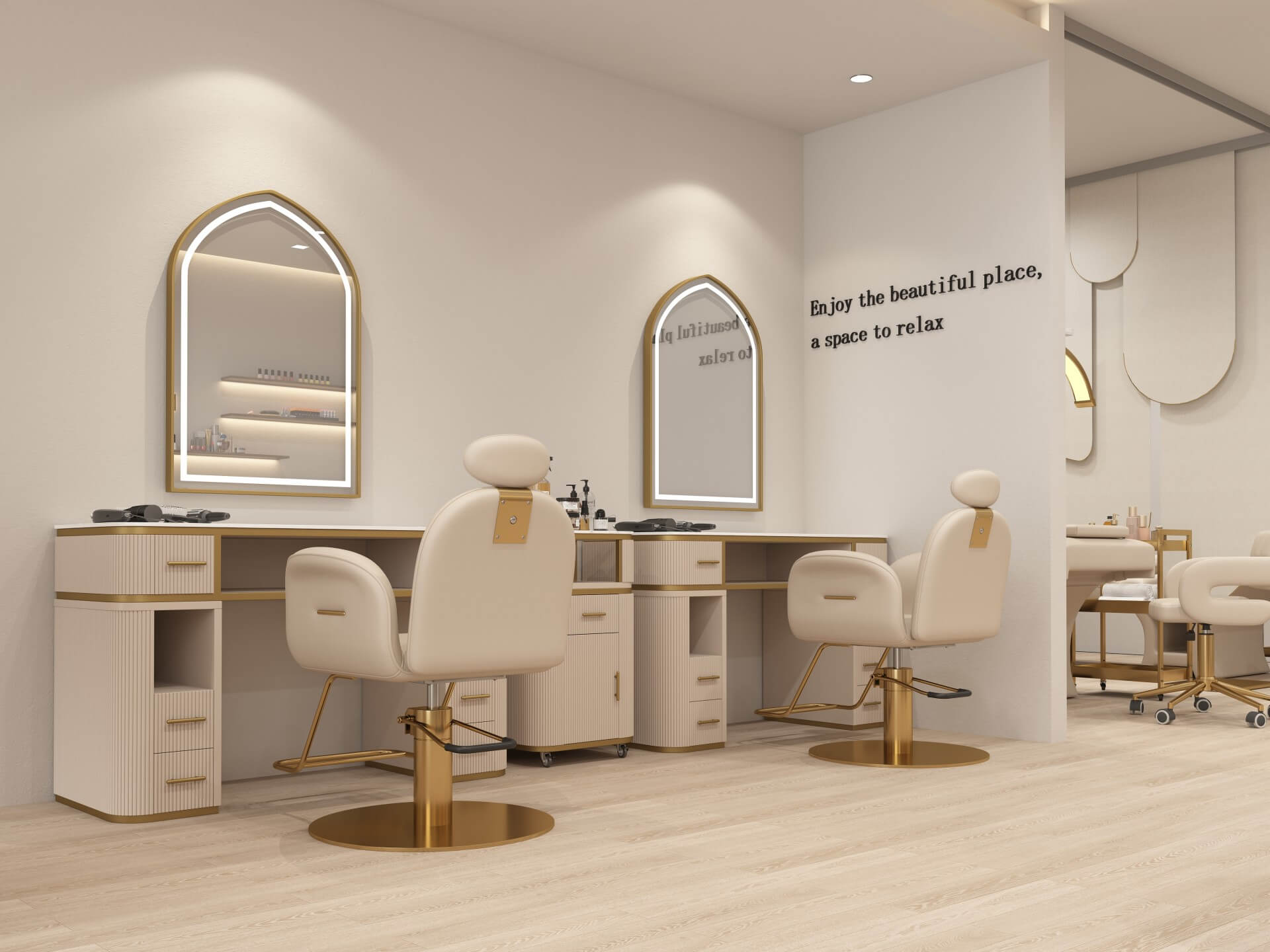
In recent years, beauty furniture trends have seen significant transformations. Many salons and clinics now prioritize comfort and aesthetics. This shift caters to clients seeking luxurious experiences. Beauty Clinic Furniture is designed not just for utility, but also for style. Color palettes and materials have evolved, focusing on warmth and inviting atmospheres.
Sustainability has become a key factor in these trends. Designers are selecting eco-friendly materials, reflecting a growing awareness of environmental impact. However, not all beauty furniture options embrace this approach fully. Some continue to rely on less sustainable practices. This inconsistency prompts reflections on consumer choices and industry standards.
Technology integration is also reshaping the landscape. Smart furniture options are gaining traction, enhancing user experiences. For instance, adjustable beds can accommodate various treatments. Yet, the reliance on technology sometimes overshadows traditional craftsmanship. Balancing innovation with quality remains a challenge. As the 2026 Canton Fair approaches, these evolving trends will be on display, highlighting both achievements and areas for growth.
Key Factors Influencing Beauty Furniture Trends at Trade Fairs
Beauty furniture trends at trade fairs like the Canton Fair are influenced by multiple factors. Design innovation plays a crucial role. As consumer tastes evolve, designers must adapt. For instance, eco-friendly materials are now more popular. Customers seek sustainability without sacrificing style. This shift reflects a broader commitment to environmental consciousness.
Cultural influences also shape beauty furniture trends. Diverse designs can incorporate local craftsmanship. Each region displays unique aesthetics. This makes the fair a melting pot of ideas. However, navigating these cultural differences can be challenging. Some styles may not resonate globally. It's essential for designers to strike a balance between personal expression and market demands.
Consumer feedback is another vital factor. Surveys reveal that buyers want functionality blended with beauty. While some designs allure, they may lack practicality. Gathering insights before launch can bridge this gap. Ultimately, understanding these dynamics can enhance product offerings. Yet, businesses must remain agile and receptive to change.
Why Beauty Furniture Trends Matter at the 2026 Canton Fair? - Key Factors Influencing Beauty Furniture Trends at Trade Fairs
| Trend Factor | Description | Influence Level | Year-on-Year Growth (%) |
| Sustainability | Increased demand for eco-friendly materials and production processes. | High | 25% |
| Smart Technology | Integration of smart features in furniture design for enhanced user experience. | Moderate | 18% |
| Customization | Growing trend towards personalized furniture solutions based on consumer needs. | High | 30% |
| Minimalism | Preference for clean lines and uncluttered spaces in furniture design. | Moderate | 15% |
| Multifunctionality | Increasing need for furniture that serves multiple purposes due to urban living. | High | 22% |
The Importance of Aesthetic Appeal in Consumer Purchasing Decisions
Aesthetic appeal plays a crucial role in consumer purchasing decisions. At events like the Canton Fair, beauty furniture trends showcase how design can influence buyers. Consumers are drawn in by visually striking pieces. Bright colors, unique shapes, and innovative materials grab attention. This initial attraction is often the first step toward a purchase.
Beyond visuals, emotional connection matters. People tend to choose items that resonate with their personal style. A well-designed chair or table can evoke feelings of comfort or sophistication. However, not every design is a hit. Some pieces may look good but lack functionality. This mismatch can lead to disappointment. Consumers are increasingly looking for items that are both beautiful and practical.
Retailers must pay attention to these dynamics. They need to curate collections that not only appeal to the eye but also serve a purpose. Yet, trends can change quickly. What is trendy today may become outdated tomorrow. Staying ahead requires constant innovation and reflection on consumer preferences. The balance between aesthetics and utility remains a challenge in the ever-evolving furniture market.
Innovative Designs and Materials in 2026 Canton Fair Exhibits
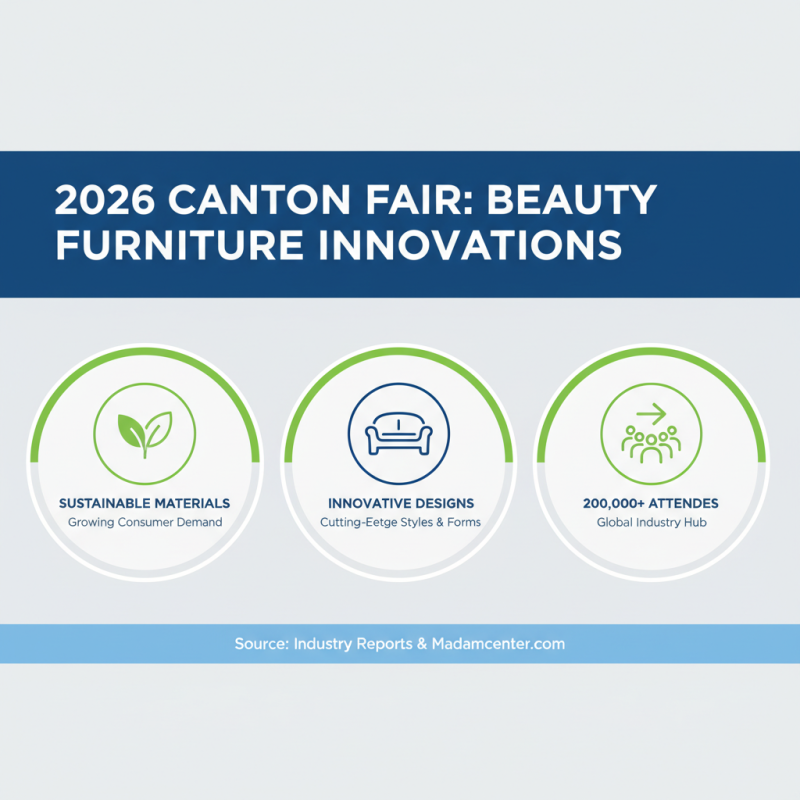
The 2026 Canton Fair is a hub for Beauty Furniture trends. Innovative designs and materials will define this event. With an expected attendance of over 200,000 visitors, the fair showcases cutting-edge styles. Industry reports indicate a growing demand for sustainable materials, highlighting a shift in consumer preferences.
The introduction of eco-friendly options is crucial. About 62% of consumers prefer furniture made from sustainable sources. This data reflects a major trend toward environmental awareness. Designers are responding by incorporating recycled materials and natural finishes. There is a noticeable increase in demand for multifunctional beauty furniture. Space-saving designs appeal to urban dwellers.
Trends also indicate a rise in customization. Many exhibitors plan to offer personalized options to meet unique consumer tastes. However, some designs may fall short in practicality. Balancing aesthetics and functionality remains a challenge. Clear communication between designers and consumers is essential. New ideas should focus not just on beauty but also on usability. The 2026 Canton Fair will be an important platform for these discussions.
Market Trends and Consumer Preferences in Beauty-related Furniture
The beauty furniture market is rapidly evolving. Recent reports indicate that consumer preferences are shifting toward multifunctional and aesthetic designs. A study by the International Furniture Association revealed that beauty-related furniture products saw a 35% increase in demand over the past year. This trend reflects a growing desire for spaces that combine style with functionality.
Moreover, consumers are actively searching for unique styles that express their individual tastes. Modern Beauty Parlor Furniture emphasizes sleek designs and innovative materials. Statistics show that 62% of consumers prefer products that showcase sustainable materials. This shift signifies an opportunity for manufacturers to rethink their approaches.
Yet, a gap remains between supply and demand. Many products fail to meet consumer expectations for quality and design. There is a need for improved market research and feedback integration. By focusing on these factors, beauty furniture can better align with the evolving market landscape.
The Role of Social Media and Influencers in Shaping Trends
Social media and influencers have become pivotal in shaping beauty furniture trends. As the 2026 Canton Fair approaches, these platforms will be buzzing with innovations. Influencers showcase new designs and ideas, making them essential for businesses seeking visibility. Their engagement with audiences creates a direct impact on consumer preferences. Many beauty professionals look to these influencers for inspiration. This trend is not just about aesthetics; it's about functionality and practicality, too.
Here are some tips for navigating this landscape: Pay attention to emerging social media trends. Follow relevant hashtags to see what is popular. Collaborate with micro-influencers who have loyal followings. They often provide a more authentic connection. This strategy can increase brand visibility and attract clients who seek quality in Beauty Salon Furniture And Equipment.
Feedback from social media can be a double-edged sword. Not every comment or suggestion will resonate positively. Look for constructive criticism to improve your offerings. Not all trends will gain traction, and it’s essential to discern which ones align with your brand. Engaging with your audience can foster brand loyalty, but it requires honesty and adaptation. Embrace the imperfections of the process, and see them as growth opportunities.
Future Implications of Beauty Furniture Trends Beyond 2026
As beauty furniture trends evolve, their implications extend far beyond 2026. According to industry reports, the global furniture market is expected to grow to $750 billion by 2025. This indicates a significant rise in consumer interest, particularly in innovative designs that emphasize aesthetics and functionality.
The rise of sustainability is shaping consumer choices. More furniture makers are prioritizing eco-friendly materials. This shift reflects a growing awareness of environmental impact. In fact, studies show that 74% of consumers are willing to pay more for sustainable products.
Tips:
Consider how colors and materials influence mood and space. Choose soft, natural tones to create calming environments.
Visualization plays a key role. Use 3D designs to help clients understand potential transformations in their spaces.
The demand for personalization grows with technology. Customers want unique pieces that reflect their styles. Reports suggest that customizable products could see a revenue increase of 20% over the next few years. Brands must be prepared for this shift. They should reflect on their ability to innovate while staying true to their values.
The Impact of Ergonomic Design on Lash Extension Services: An Analysis of User Comfort and Productivity in the Beauty Industry
The beauty industry has increasingly recognized the significance of ergonomic design in enhancing lash extension services. With the rising demand for lash extensions, professionals often find themselves in extended and demanding positions. This can lead to discomfort and fatigue, ultimately affecting their productivity and the quality of service provided. By integrating ergonomic principles into workspaces and tools, beauty professionals can ensure a more comfortable environment that promotes efficiency and creativity.
A key aspect of ergonomic design is the optimization of the workstation. This includes adjustable chairs and tables that allow technicians to maintain proper posture during long procedures. Furthermore, incorporating tools that minimize strain, such as lightweight tweezers and cushioned grips, can significantly alleviate physical stress. As technicians experience less discomfort, their focus shifts to providing a better experience for their clients, resulting in enhanced visual outcomes and higher satisfaction rates.
Moreover, the positive impact of ergonomic design extends to client comfort as well. A well-organized and thoughtfully designed workspace not only benefits the technician but also creates an inviting atmosphere for clients. This dual focus on comfort can lead to longer client retention, as clients feel valued and cared for during their visit. In a competitive beauty market, prioritizing ergonomic considerations in lash extension services can set a business apart, fostering a loyal clientele and boosting overall success.
FAQS
: Recent trends emphasize comfort and aesthetics, catering to clients seeking luxurious experiences.
Sustainability is crucial, with designers choosing eco-friendly materials. However, many options still lack this focus.
Technology integration is growing, with smart furniture enhancing user experiences, but it can overshadow traditional craftsmanship.
The 2026 Canton Fair will showcase innovative designs and materials, focusing on trends and sustainability in beauty furniture.
About 62% of consumers prefer furniture made from sustainable sources, reflecting a significant shift in preferences.
Yes, balancing aesthetics with functionality is challenging. Some designs may lack practicality despite their visual appeal.
Customization meets unique consumer tastes, but designs sometimes fail to be practical, sparking reflection on usability.
Clear communication between designers and consumers is essential to align beauty and usability in new furniture concepts.
There’s a noticeable increase in demand for sustainable and multifunctional designs, especially among urban buyers.
Inconsistency in sustainability practices prompts reflection on both consumer choices and the industry's commitment to improved standards.
Conclusion
The upcoming 2026 Canton Fair is set to showcase significant trends in Beauty Furniture, reflecting the evolution of aesthetic preferences in recent years. Key factors influencing these trends include innovative designs and materials that capture consumer interest, alongside the critical role of aesthetic appeal in purchasing decisions. As market trends shift, understanding consumer preferences in beauty-related furniture becomes essential for manufacturers and brands looking to stay competitive.
Additionally, social media and influencers play a pivotal role in shaping these beauty furniture trends, as they amplify new styles and designs to a broader audience. The implications of these trends are expected to extend beyond the fair, suggesting a continued evolution within the industry as consumer demands shift towards more visually appealing and innovative furniture options.

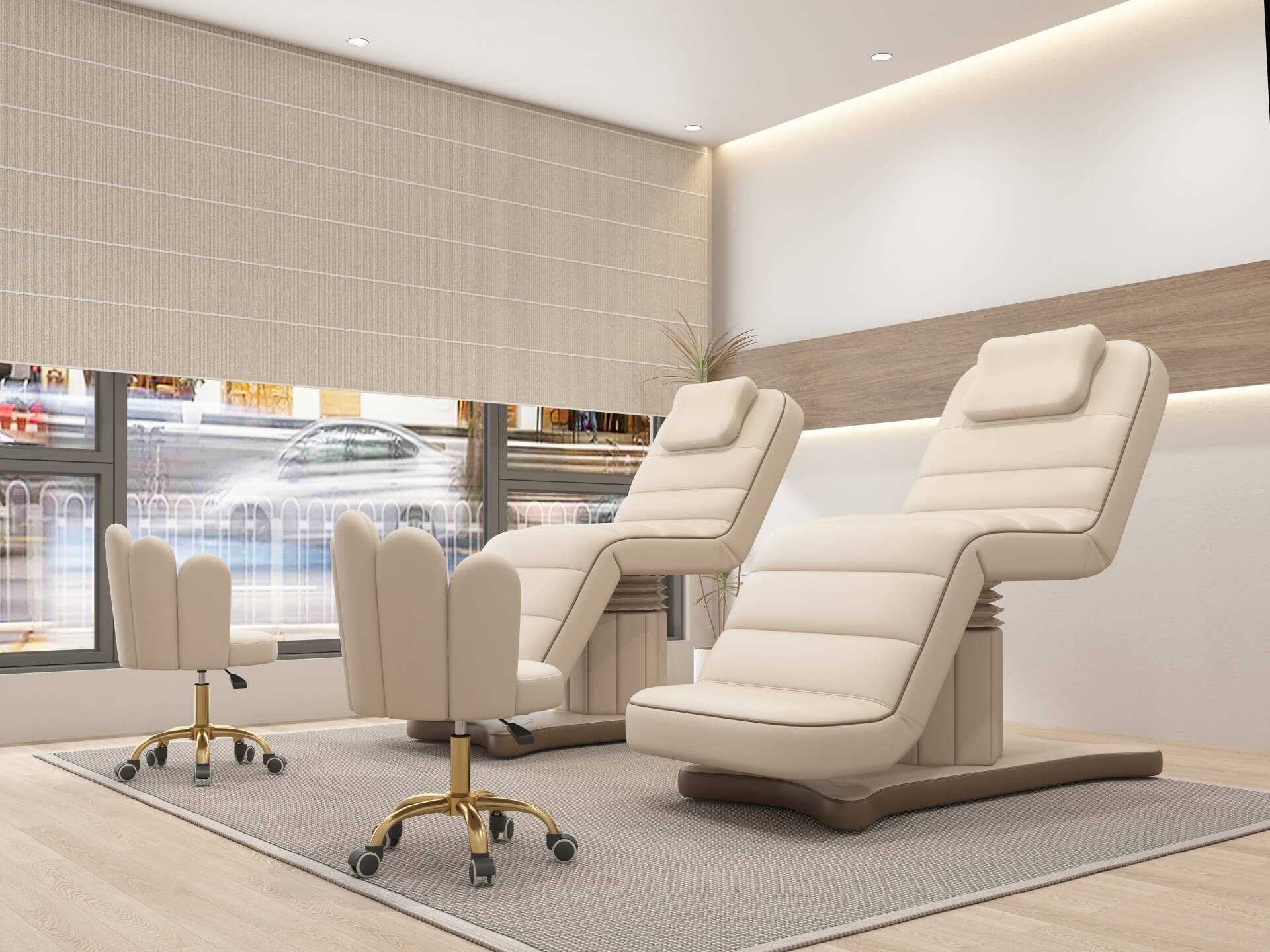 Skincare & Spa
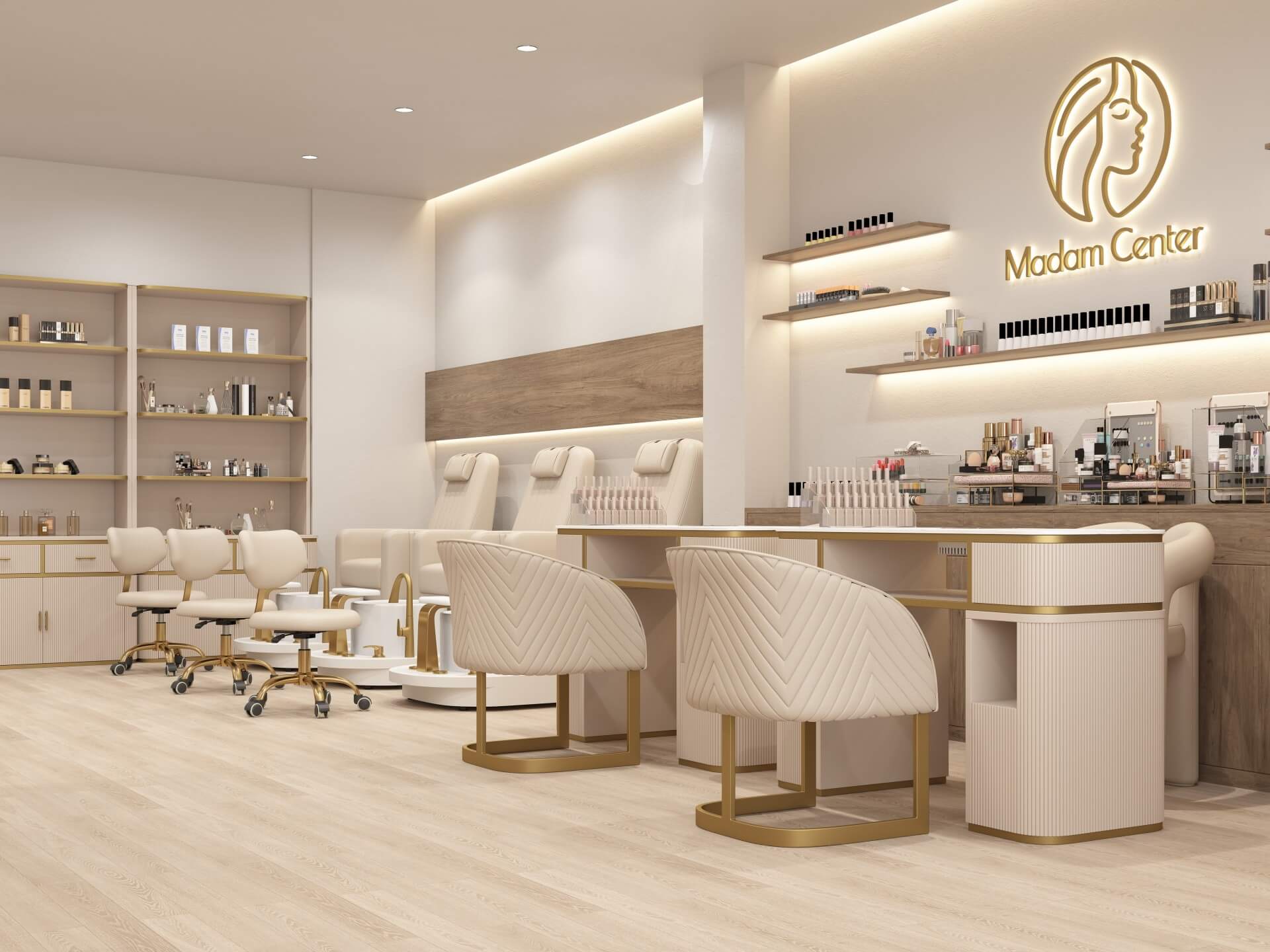 Nail Salon
 Hair Salon
 Salon Reception
 Parts