0%

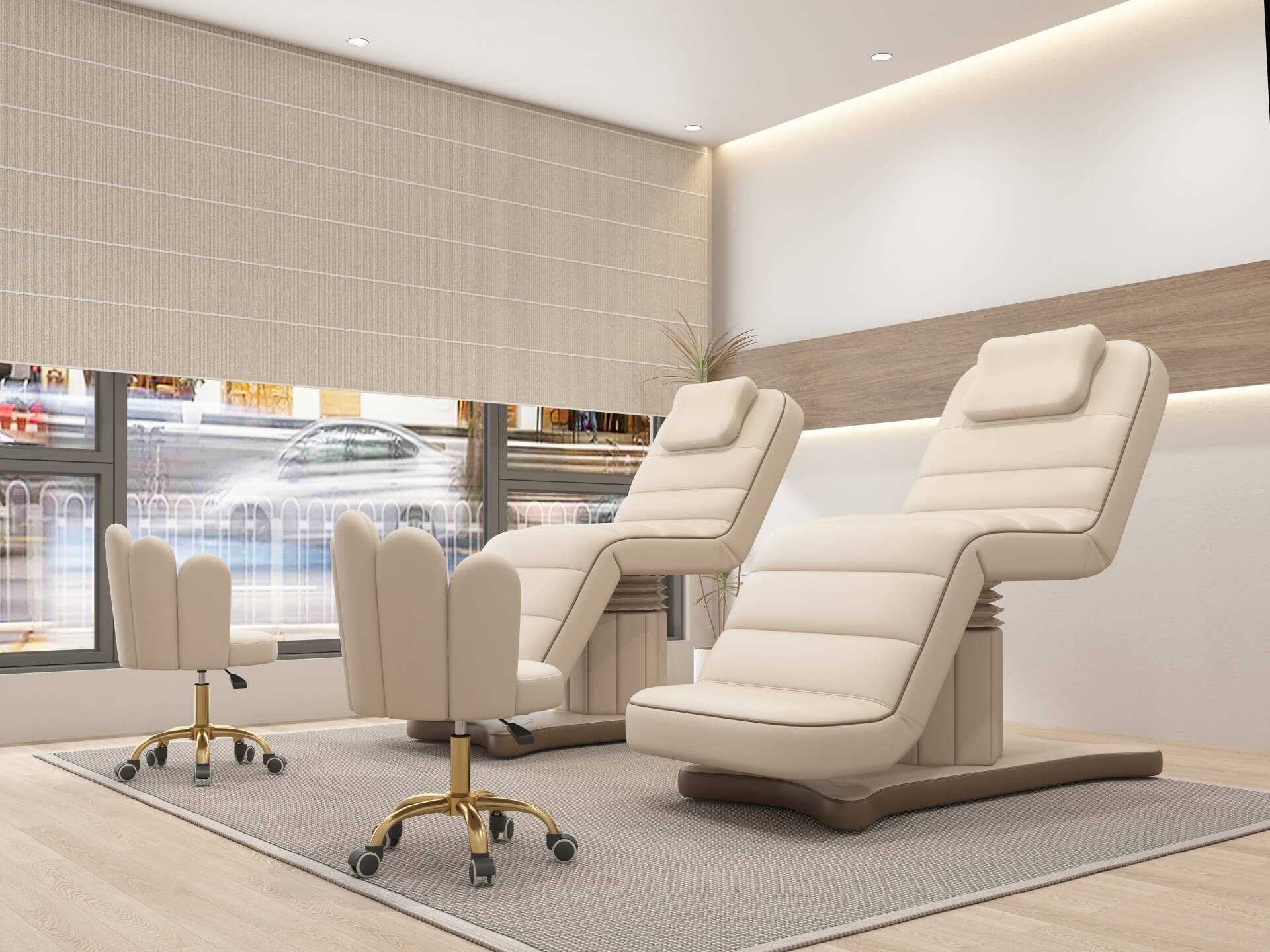
By 2026, the spa equipment market feels less about basic gear and more about the experience, hygiene, and the day-to-day grind of running a treatment room. When buyers look at a Spa Table now, they’re not just checking the price. They’re weighing comfort, adjustability, how easy it is to clean, and how long it will actually last. The Global Wellness Institute’s 2024 Global Wellness Economy Monitor put the wellness economy at roughly $6.3 trillion in 2023, and it expects more growth through 2028. That tells us something pretty simple: investment in professional treatment spaces isn’t slowing down.

Then there’s the International Spa Association’s 2024 U.S. Spa Industry Study. It reported over $20 billion in annual spa revenue, plus millions of consumer visits across thousands of locations. Why does that matter for furniture? Because a table affects how therapists move, how comfortable guests feel, and how quickly rooms can be turned over. A narrow Spa Table can work well in a compact clinic, while an electric model makes positioning more flexible and access easier. Honestly, the details decide.

This guide looks at leading Spa Table types for global buyers in 2026. It also touches on related search categories like chair pedicure, Foot SPA Chair, pedi chair, Nail SPA Chairs, SPA Pedicure Chair, and chair for pedicure. Buyers should compare upholstery resistance, motor noise, weight capacity, drainage design, and how easy replacement parts are to get. Don’t forget regional voltage requirements, either. A beautiful unit can turn into a maintenance headache overseas.

Evidence helps, but product selection is never one-size-fits-all. Even a premium table can struggle in a busy salon if after-sales support is weak. I wouldn’t judge quality from photos alone. Ask for material samples, warranty terms, load testing, and cleaning instructions. Supplier experience still matters a lot, especially when installation teams are working across different markets. This overview gives you practical comparisons, but it also nudges buyers to verify every technical claim independently.
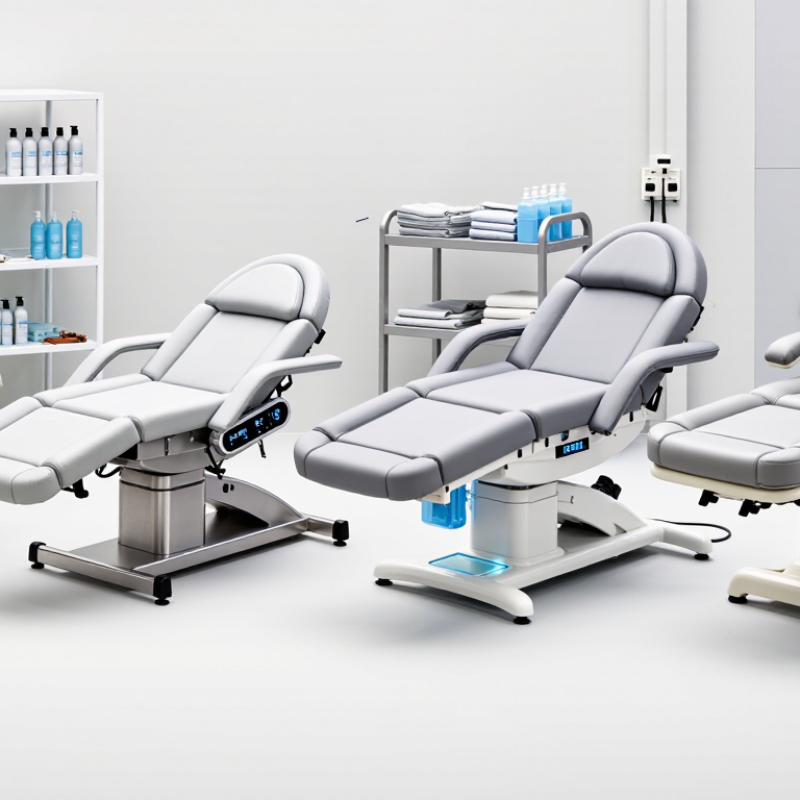
2026 Top Spa Table Types for Global Buyers

Spa Tables: Definition, Purpose, and Core Design Features

Spa Tables: Definition, Purpose, and Core Design Features

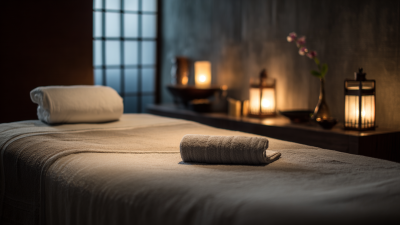
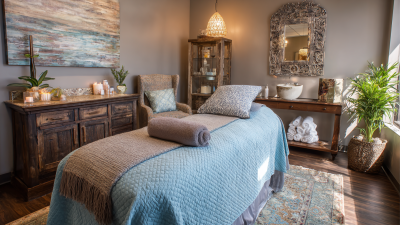
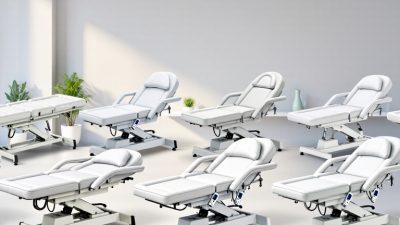
A spa table is a padded, adjustable platform for facial care, massage, waxing, and body treatments. It supports client comfort while giving practitioners stable access to the head, back, and legs. A spa treatment bed usually combines a rigid frame, layered foam, washable upholstery, and adjustable sections. Some models use electric motors, while others rely on manual controls. The choice affects workflow, maintenance, and purchase cost.

The Global Wellness Institute’s 2024 Global Wellness Economy Monitor valued the wellness economy at 6.3 trillion dollars in 2023. Its growth indicates stronger demand for treatment spaces, but larger demand does not remove design risks. A Facial Spa bed should offer a supportive face cradle, smooth height adjustment, and enough clearance for the practitioner’s knees. Rounded edges reduce contact pressure. Stable legs matter more than decorative details.

The International Spa Association’s 2024 U.S. Spa Industry Study reported 21,510 spa locations and 21.3 billion dollars in revenue for 2023. These figures suggest heavy daily use for many tables. Buyers should check weight capacity, motor noise, cleaning resistance, and replacement-part access. Test the table before ordering. A beautiful surface may still feel too firm. Some “ergonomic” designs also limit movement. Room measurements, treatment type, and local service support should guide the final choice.

How Spa Tables Are Classified by Structure and Function

2026 Top spa table Types for Global Buyers

A spa table is best classified by structure first. Stationary tables use fixed frames and suit treatment rooms with stable layouts. Electric tables add motorized height, back, and leg adjustments. Hydraulic models provide similar movement through foot-pump systems. Portable and folding tables reduce shipping and storage demands. They can serve mobile therapists, training rooms, and smaller clinics.

Function creates a second classification. Massage tables usually need firm cushioning and a stable face cradle. Facial tables often support higher back angles and closer client access. Wet treatment tables require water-resistant surfaces, sealed joints, and effective drainage. Multi-function tables combine several uses, but compromises appear. The padding may feel too firm for relaxation. The frame may become heavy for mobile work.

Market data supports careful selection. The Global Wellness Institute reported a $6.3 trillion global wellness economy in 2023, with growth projected toward $9 trillion by 2028. ISPA’s 2024 U.S. Spa Industry Study recorded $21.1 billion in spa revenue and 181 million visits during 2023. These figures suggest sustained demand, but they do not make every spa table suitable. Buyers should check working height, safe load capacity, upholstery resistance, motor noise, and replacement-part access. A quiet lift matters during facial treatments. A washable surface matters after every wet service. Standards and user needs vary across countries. That part is easy to underestimate.

2026 Top Spa Table Types for Global Buyers - How Spa Tables Are Classified by Structure and Function

Table Type Structural Classification Primary Function Typical Working Dimensions Height Adjustment Key Construction Features Best-Suited Treatments Advantages Important Buying Considerations
Fixed-Height Flat Spa Table Stationary; non-adjustable frame Basic support for manual spa and massage treatments Approximately 180–200 cm long × 70–80 cm wide; fixed height commonly around 60–75 cm None Solid wood or steel frame, padded top, vinyl or polyurethane upholstery, face cradle compatibility on many models Massage, body scrubs, wraps, waxing, facials with portable accessories Simple operation, low maintenance, stable working platform, generally lower purchase cost The fixed height must suit the main therapist; limited ergonomic flexibility for different users and treatments
Portable Folding Spa Table Folding; transportable frame Mobile treatment setup for therapists and compact facilities Common open length of about 180–195 cm; width typically 60–75 cm; folded length often about 90–100 cm Manual leg adjustment on many designs; usually limited range Folding legs, carrying handle, lightweight frame, removable face cradle, cable or accessory storage on selected models Mobile massage, home visits, events, training rooms, small treatment spaces Easy to transport and store; suitable where a permanent treatment room is unavailable Check folded size, carrying weight, leg-lock security, working load, upholstery durability and setup time
Electric Height-Adjustable Table Powered lift; fixed base Fast ergonomic height adjustment during professional treatments Usually about 180–200 cm long × 70–80 cm wide; height ranges commonly around 50–90 cm Electric motor, commonly controlled by hand switch or foot switch Motorized lifting column, reinforced base, upholstered platform, optional backrest or leg-section adjustment Massage, facials, body treatments, waxing and multi-therapist clinics Reduces therapist bending, supports different working positions and improves treatment-room efficiency Verify voltage, plug configuration, motor noise, lifting capacity, minimum height and emergency-lowering provisions
Hydraulic Lift Spa Table Hydraulic pump; wheeled or fixed base Foot-operated height adjustment without electrical power at the table Commonly about 180–200 cm long × 70–80 cm wide; height often approximately 55–85 cm Hydraulic foot pump; lowering may use a release pedal or lever Hydraulic cylinder, stable pedestal, lockable casters on many designs, robust steel structure Massage, bodywork, facials and clinics requiring frequent height changes Operates without a power outlet, offers strong stability and is practical for high-use rooms Consider pump maintenance, hydraulic leakage protection, caster locking, base clearance and shipping weight
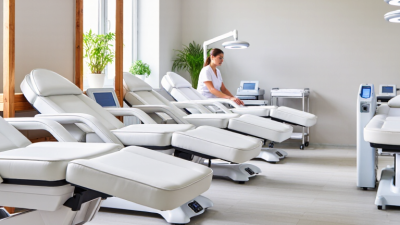
Multi-Section Electric Spa Bed Powered articulated platform Positioning the client for treatments that require elevation or angled support Typically about 180–200 cm long × 70–80 cm wide; sections may include backrest and leg-rest areas Electric height adjustment plus powered backrest or leg-section movement, depending on configuration Two- or three-section padded top, independent actuators, adjustable head section, removable cushions on some designs Facials, advanced body treatments, waxing, massage and consultation-based services Improves client positioning and allows one table to support several treatment categories Check section angles, actuator synchronization, upholstery gaps, cleaning access and maximum supported load
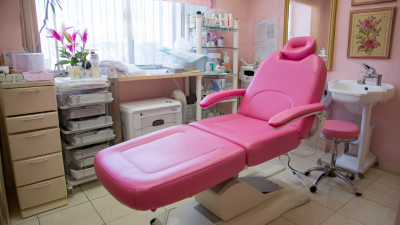
Facial and Beauty Treatment Bed Reclining; one- to three-section design Stable semi-reclined or reclined positioning for face and beauty services Often about 180–195 cm long × 65–80 cm wide; height varies by fixed, hydraulic or electric base May be fixed, manual, hydraulic or electric; backrest adjustment is common Contoured backrest, head opening or face cradle, washable upholstery, optional armrests and removable cushions Facials, skincare, eyelash services, makeup, waxing and light beauty procedures Supports a comfortable client posture and provides better access to the face and upper body Assess backrest angle, operator legroom, head support, surface cleanliness and compatibility with facial equipment
Massage Table with Face Cradle Flat or multi-section; prone-position support Maintaining comfortable face-down positioning during massage and bodywork Commonly about 180–195 cm long × 70–80 cm wide; face-cradle opening and extension add usable head support Fixed or manually/electrically adjustable, depending on frame design Breathable face cradle, headrest cushion, thick resilient padding, rounded edges and reinforced load-bearing frame Swedish massage, deep-tissue massage, sports massage and bodywork Promotes neutral head positioning and provides a broad, comfortable working surface Check face-cradle adjustability, cushion thickness, frame stability, noise during movement and working load
Shiatsu or Floor-Style Treatment Mat Table Low-profile or floor-level platform Supporting treatments performed from a low working position Treatment surfaces commonly measure about 180–200 cm long × 70–100 cm wide; height is often below 45 cm Usually none; some platforms offer limited manual adjustment Low stable frame or thick mat construction, firm cushioning, durable cover and broad support area Shiatsu, Thai massage, stretching and floor-based bodywork Provides a stable platform for techniques using therapist body weight and compression Confirm therapist accessibility, client transfer safety, cleaning requirements and local workplace ergonomic suitability
Wet-Room Spa Treatment Table Water-resistant; drainage-compatible structure Supporting treatments performed with water, oils, scrubs or wet products Commonly around 180–210 cm long × 70–90 cm wide; height depends on fixed or lift configuration Fixed, hydraulic or electric; adjustment range varies by wet-room design Water-resistant upholstery, sealed joints, corrosion-resistant components, drainage channel or compatible basin system Body scrubs, hydrotherapy, wet wraps and spa rituals using substantial water Designed for frequent cleaning and exposure to moisture; supports specialized wet treatments Confirm drainage, waterproof ratings, slip resistance, sanitation procedures, corrosion protection and installation requirements
Pregnancy and Specialty Support Table Ergonomic contour; specialized support system Providing additional comfort and positioning support for pregnancy or mobility-sensitive clients Usually about 180–195 cm long × 70–85 cm wide; height may be fixed or adjustable Manual, hydraulic or electric depending on the model Extra cushioning, side-positioning supports, contoured sections, bolsters or removable inserts Prenatal massage, side-lying treatments and services requiring enhanced positioning support Improves positioning flexibility and can reduce pressure on sensitive areas Use trained practitioners; verify support configuration, safe transfer access, weight capacity and cleaning of removable components
Medical-Style Spa Examination Table Heavy-duty; clinical-style frame Combining spa services with assessment, consultation or procedure support Often about 180–200 cm long × 65–80 cm wide; powered height ranges commonly fall around 50–90 cm Usually electric or hydraulic; backrest adjustment may be available High-strength frame, easy-clean upholstery, adjustable back section, paper-roll holder or accessory rail on some designs Clinical skincare, consultations, advanced beauty procedures and wellness services Strong, cleanable and adaptable for facilities with mixed wellness and clinical workflows Check applicable local regulations, electrical compliance, safe working load, disinfectant resistance and patient-access height

Data note: Dimensions and height ranges are representative industry ranges rather than specifications for a particular product. Actual measurements, working loads, adjustment systems and treatment suitability vary by table configuration and applicable market standards.

Portable Spa Tables for Mobile and Flexible Treatment Settings

Portable spa tables are reshaping mobile treatment rooms, hotel wellness suites, and compact studios. The Global Wellness Institute’s 2024 Global Wellness Economy Monitor valued wellness spending at $6.3 trillion in 2023. It projects nearly $9 trillion by 2028. That growth supports flexible equipment, but portability must not weaken therapist safety.

A practical spa massage table should balance low weight, stable legs, and quick adjustment. In field setups, therapists often carry tables through narrow elevators and uneven entrances. Aluminum frames reduce lifting strain, while reinforced hinges improve daily reliability. A table around 12 to 16 kilograms is easier to transport, though lighter models can feel less stable. That trade-off deserves honest testing.

Check the working load, not only the product weight. Test the table with a client, therapist pressure, and repeated movement. A wide bed improves comfort, while rounded corners help prevent clothing snags. Adjustable height supports different techniques and reduces awkward wrist angles. The U.S. Bureau of Labor Statistics continues to identify massage therapy as a growing occupation, with employment projected to rise 18 percent from 2023 to 2033. More practitioners may work across changing locations. Storage pockets, washable upholstery, and a quiet locking system therefore matter. Small details matter.

The International Spa Association’s 2024 industry study reported strong U.S. spa revenue and visit recovery in 2023, yet mobile providers still face limited space and setup time. A portable table should open smoothly on a hard floor, remain steady during compression, and pack without excessive noise. Foldable does not automatically mean professional. Testing in real rooms may reveal uncomfortable truths.

Stationary Spa Tables for Clinics, Salons, and Wellness Centers

Stationary spa tables remain a practical choice for clinics, salons, and wellness centers in 2026. A table for spa treatments should support stable positioning, easy cleaning, and comfortable access for practitioners. Fixed electric models suit clinics offering facials, massage, and advanced skincare procedures. Hydraulic tables can work well where quiet height adjustment matters.

In busy salons, durability starts with the base. A wide steel frame reduces movement when clients turn or sit upright. High-density foam helps prevent pressure points during longer sessions. Rounded upholstery seams leave fewer places for oil, lotion, and dust to collect. I recommend waterproof, medical-grade coverings with simple disinfectant compatibility. Always check the manufacturer’s cleaning guidance. Strong chemicals may damage the surface.

Wellness centers often need a warmer, more welcoming appearance. Wooden stationary tables can support that atmosphere, but appearance should not replace function. A therapist must reach the client without twisting repeatedly. Adjustable back and leg sections can reduce strain during detailed treatments. I have seen attractive tables become uncomfortable after thirty minutes. That is a useful warning. Test the working height, pedal response, and mattress firmness with real staff before purchasing. Leave enough clearance around the table for stools, carts, and safe client movement. A few centimeters can change the entire treatment experience.

Electric, Hydraulic, and Manual Spa Table Adjustment Systems

2026 Top Spa Table Types for Global Buyers

Electric, Hydraulic, and Manual Spa Table Adjustment Systems

For global buyers, spa table adjustment systems affect comfort, workflow, and maintenance. Electric tables use motors for precise height, backrest, or leg adjustments. They suit busy treatment rooms where therapists change positions often. Foot controls can reduce hand contact during services. They also require compatible voltage, safe wiring, and dependable motor protection. Hydraulic tables lift through a pump and usually provide smooth, strong movement. They can perform well in clinics with frequent daily use. Manual tables use levers, gas springs, or locking mechanisms. They cost less and work without power. Useful for mobile settings. However, adjustments may take more effort.

Selection should begin with the treatment environment, not appearance. Check working load, adjustment range, frame stability, and upholstery resistance. Confirm whether replacement parts are available in the destination market. Electric models need clear emergency-release instructions. Hydraulic models require leak checks and proper oil maintenance. Manual models need reliable locks and balanced movement. A therapist changing height between clients will notice small delays. Noise matters too. A quiet motor supports a calmer room.

Practical testing remains essential. Ask suppliers for load-testing records, wiring diagrams, and cleaning guidance. Check the table at its highest position. It may feel less stable. Not always. Clearance under moving sections can prevent foot injuries and equipment damage. Some specifications look impressive but omit cycle limits or service conditions. That gap deserves questions. A lower-priced system can become expensive when local technicians cannot repair it. Experienced buyers should request a sample inspection or video test before placing large orders.

How Global Buyers Can Compare Spa Table Materials and Durability

For global buyers, spa table durability begins with the material, not the finish. Solid wood offers warmth and a stable feel, but humidity can cause swelling around joints. Aluminum resists rust and remains easier to move. However, thin frames may flex under repeated pressure. Powder-coated steel feels stronger, yet damaged coatings can expose metal to corrosion. Moisture is relentless.

During product evaluations, I check frame welds, hinge movement, padding recovery, and underside protection. A table should support its stated working load without rocking. Look for clear load data, replacement-part access, and test documentation. Upholstery also matters. Closed-cell foam usually limits water absorption, while dense vinyl handles frequent cleaning better than delicate fabric. Ask how the surface reacts to oils, disinfectants, and ultraviolet exposure. Check the joints.

Climate changes the decision. Coastal clinics need stronger corrosion protection. Tropical facilities need fast-drying upholstery and sealed wood edges. Cold regions should test hinges and hydraulic parts after storage in low temperatures. Local technicians may also influence the best choice, because complex mechanisms can be difficult to repair overseas. A long warranty sounds useful, but service response and spare-part availability matter more in daily operations. I would not pretend any material wins everywhere. Even a well-built table can fail when users exceed its load or ignore maintenance. Compare real inspection records, not only attractive specifications. A practical buyer may request a sample, measure frame movement, and inspect stitching before placing a large order. Good judgment sometimes means rejecting the most polished option.

Key Safety, Hygiene, and Compliance Factors for International Purchasing

2026 Top Spa Table Types for Global Buyers

When comparing spa table types, safety should guide the purchase before appearance. A stable electric table needs a strong frame, controlled height movement, and an emergency stop function. Check its working load, not only the advertised lifting capacity. Uneven floors can expose weak locking systems. Test the table under pressure.

Hygiene depends on surfaces and daily routines. Choose sealed upholstery with few seams and rounded edges. These details reduce areas where oils, moisture, and disinfectant residue can collect. Removable face cushions should dry quickly after cleaning. Ask for chemical-resistance information, cleaning instructions, and replacement-part availability. “Easy to clean” is too vague.

Compliance requires careful local verification. Electrical components may need certificates accepted in the destination market. Voltage, plug type, electromagnetic safety, and language requirements can differ between countries. Importers should request technical files, user manuals, test reports, and traceable serial information. A supplier’s declaration is useful, but it may not replace independent assessment. That point is often overlooked.

A practical inspection should include noise, wobble, cable protection, and pinch-point clearance. Photograph the packaging before opening it. Record defects immediately. Even experienced buyers can overtrust polished product images. A table may look professional yet perform poorly after repeated cleaning and adjustment. Local technicians should confirm installation and servicing conditions before large-scale purchasing. Minor details matter.

1015 Electric Spa Massage Beauty Bed: Features, Benefits, and Buying Guide

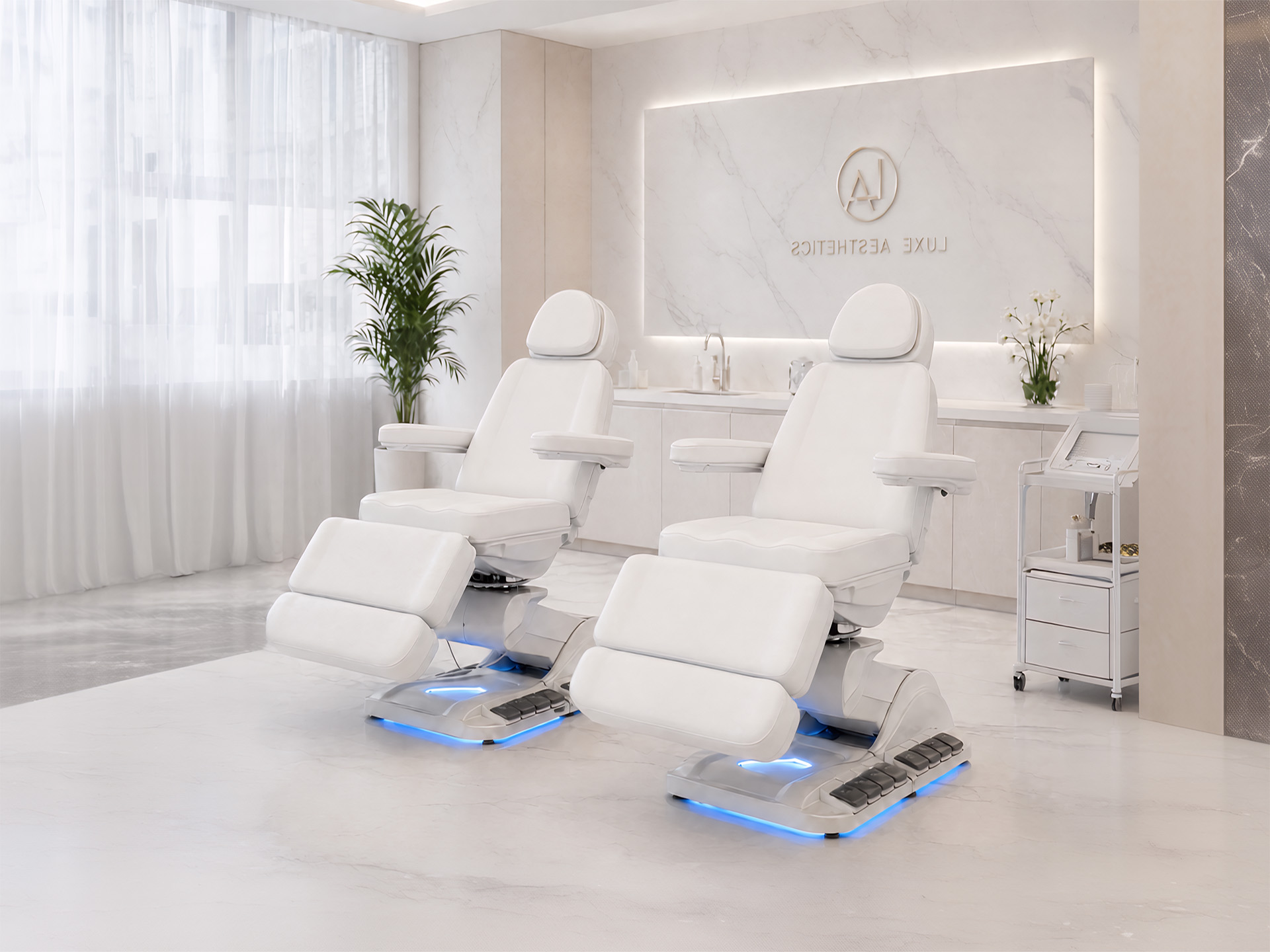
The 1015 Electric Spa Massage Beauty Bed is designed to support comfortable, efficient treatments in modern spas, beauty salons, and wellness studios. Its electric adjustment system allows practitioners to change the backrest, leg section, or overall height with minimal effort, helping create a suitable position for facials, massages, body care, and other beauty services. A padded surface, ergonomic shaping, and durable upholstery can improve client comfort during longer appointments, while a stable frame helps provide reliable support.

Beyond convenience, an adjustable beauty bed can improve treatment flexibility and reduce unnecessary bending for professionals. Smooth positioning may also make it easier to move clients into different postures while maintaining a neat and professional workspace. Depending on the configuration, useful features may include a handheld controller, removable cushions, a face opening, adjustable armrests, quiet motors, and easy-clean materials.

When buying the 1015 model, consider the bed’s weight capacity, adjustment range, motor performance, upholstery quality, and available working space. Check whether the dimensions suit both the treatment room and the practitioner’s preferred working position. It is also important to review cleaning requirements, assembly instructions, warranty coverage, and replacement-part availability. Choosing practical functions over unnecessary extras can help ensure the bed meets daily treatment needs and remains comfortable for both clients and operators.

FAQS

How are spa tables classified by structure?

They are commonly divided into stationary, electric, hydraulic, portable, and folding models. Stationary tables suit rooms with stable layouts. Portable models reduce storage and shipping demands. Structure affects workflow, weight, and maintenance.

Which spa table suits a busy treatment room?

An electric table suits frequent height, backrest, and leg adjustments. Foot controls can reduce hand contact during treatments. Choose a quiet motor for facial services. Noise matters.

When is a hydraulic spa table a practical choice?

Hydraulic tables provide smooth movement through a foot-pump system. They work well in clinics with frequent daily use. They need regular leak checks and proper oil maintenance. A hydraulic system may feel slower than expected.

What makes a stationary spa table stable?

A wide steel frame helps reduce movement when clients turn or sit upright. A firm base supports safer transfers and detailed treatments. Leave space for stools, carts, and client movement. Small clearances matter.

How do massage, facial, and wet treatment tables differ?

Massage tables usually need firm padding and a stable face cradle. Facial tables often use higher back angles for closer practitioner access. Wet treatment tables need water-resistant surfaces, sealed joints, and drainage. One table rarely performs every function perfectly.

What upholstery features should buyers check?

Choose surfaces that resist moisture, oils, lotions, and frequent cleaning. Rounded seams leave fewer areas for dust and residue. Confirm disinfectant compatibility before purchase. Strong chemicals can damage coverings.

What should global buyers check before ordering an electric table?

Confirm voltage compatibility, wiring safety, motor protection, and emergency-release instructions. Check working load, adjustment range, frame stability, and cycle limits. Ask for wiring diagrams and service information. Local repairs may be difficult.

How can buyers test a spa table properly?

Test the table at its highest position and check for unwanted movement. Operate the pedal, locks, and moving sections several times. Inspect clearance beneath the frame to prevent foot injuries. Test it in person.

Conclusion

A Spa Table is a core piece of equipment designed to support massage, skincare, body treatments, and other wellness services. Its main features may include a stable frame, comfortable cushioning, adjustable sections, ergonomic contours, and surfaces that are easy to clean. Spa tables can be classified by structure and function, including portable models for mobile therapists and flexible treatment spaces, as well as stationary models suited to clinics, salons, and wellness centers. Buyers should consider room layout, treatment frequency, weight capacity, and mobility when selecting a suitable type.

Adjustment systems are another important comparison point. Electric tables offer convenient, precise positioning, hydraulic systems provide smooth lifting with reduced manual effort, while manual tables can be practical and economical. Global buyers should also evaluate frame materials, upholstery, corrosion resistance, durability, and ease of maintenance. Safety, hygiene, user comfort, stable construction, secure locking mechanisms, and applicable international compliance requirements should all be reviewed before purchase. A well-selected Spa Table can improve treatment efficiency, cleanliness, therapist ergonomics, and the overall client experience.
Liam

Liam

Liam is a dedicated marketing professional at Guangdong Muchi Furniture Co., Ltd., where he leverages his extensive expertise in the furniture industry to drive the company's growth and outreach. With a keen eye for detail and a passion for innovative design, Liam is instrumental in curating......
Previous How to Choose the Best Salon Interior Design?