 Beauty & Spa
 Examination and Treatment
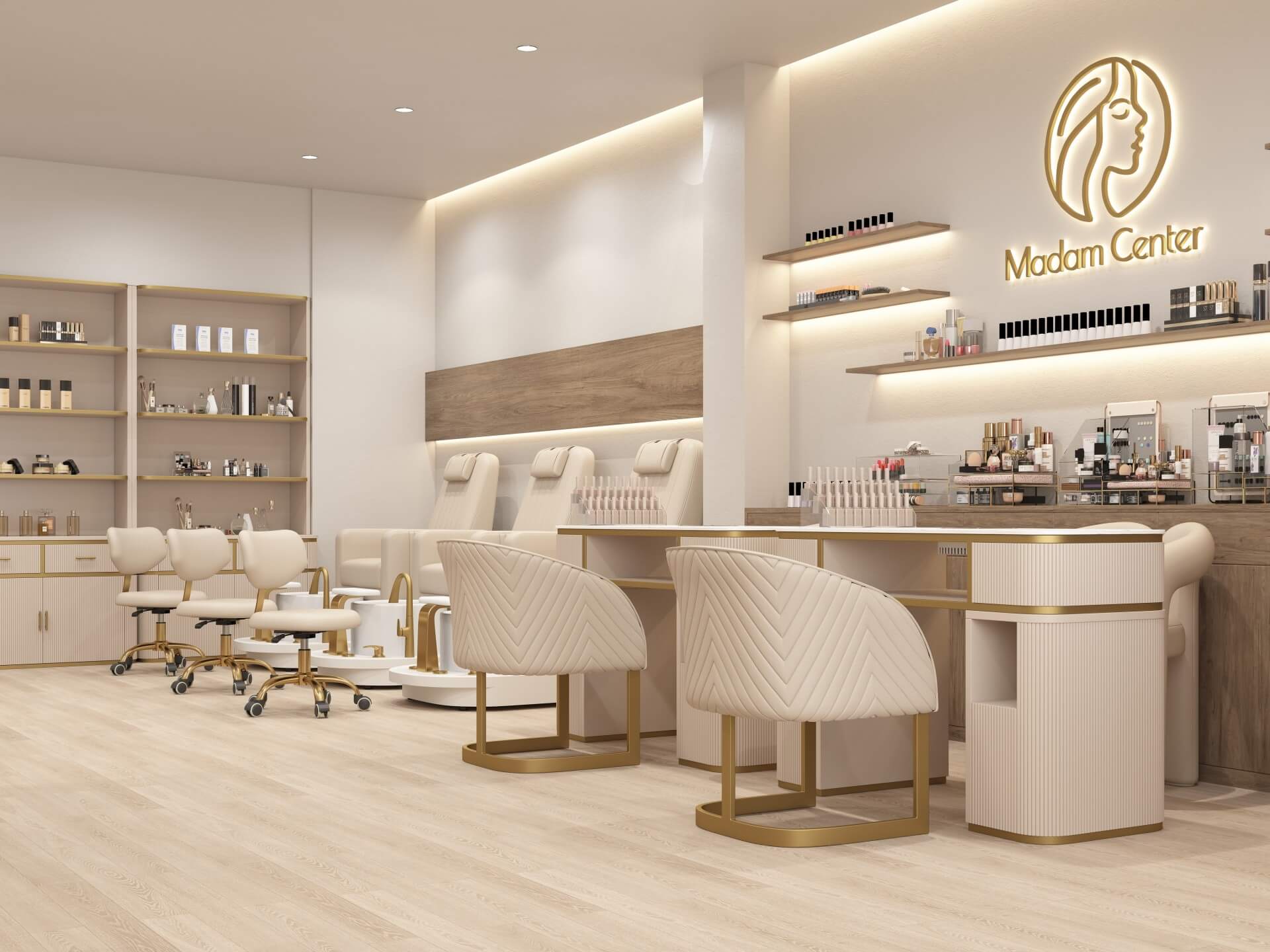 Pedicure & Manicure Nail Salon
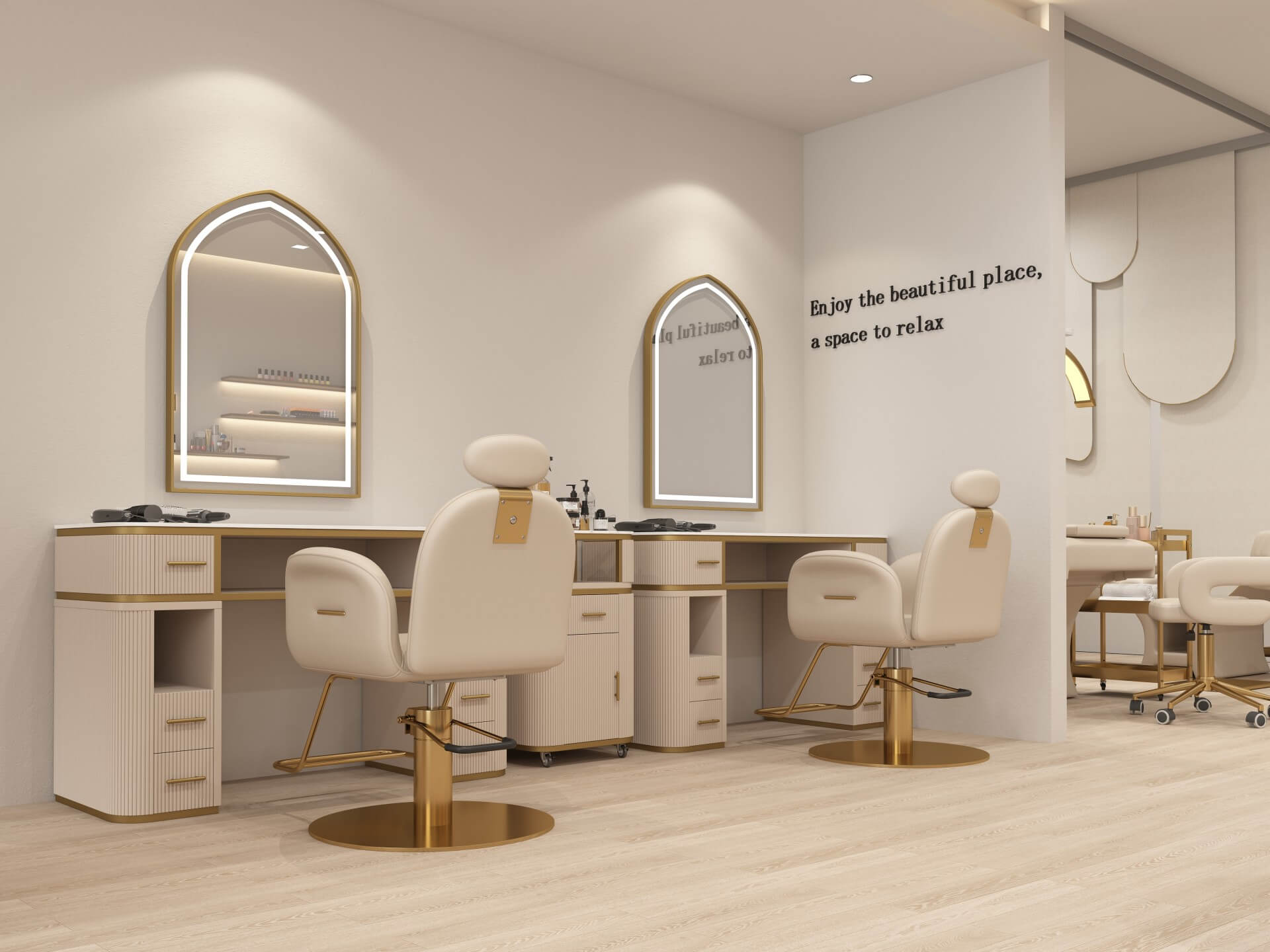 Barber & Hair Wash Salon
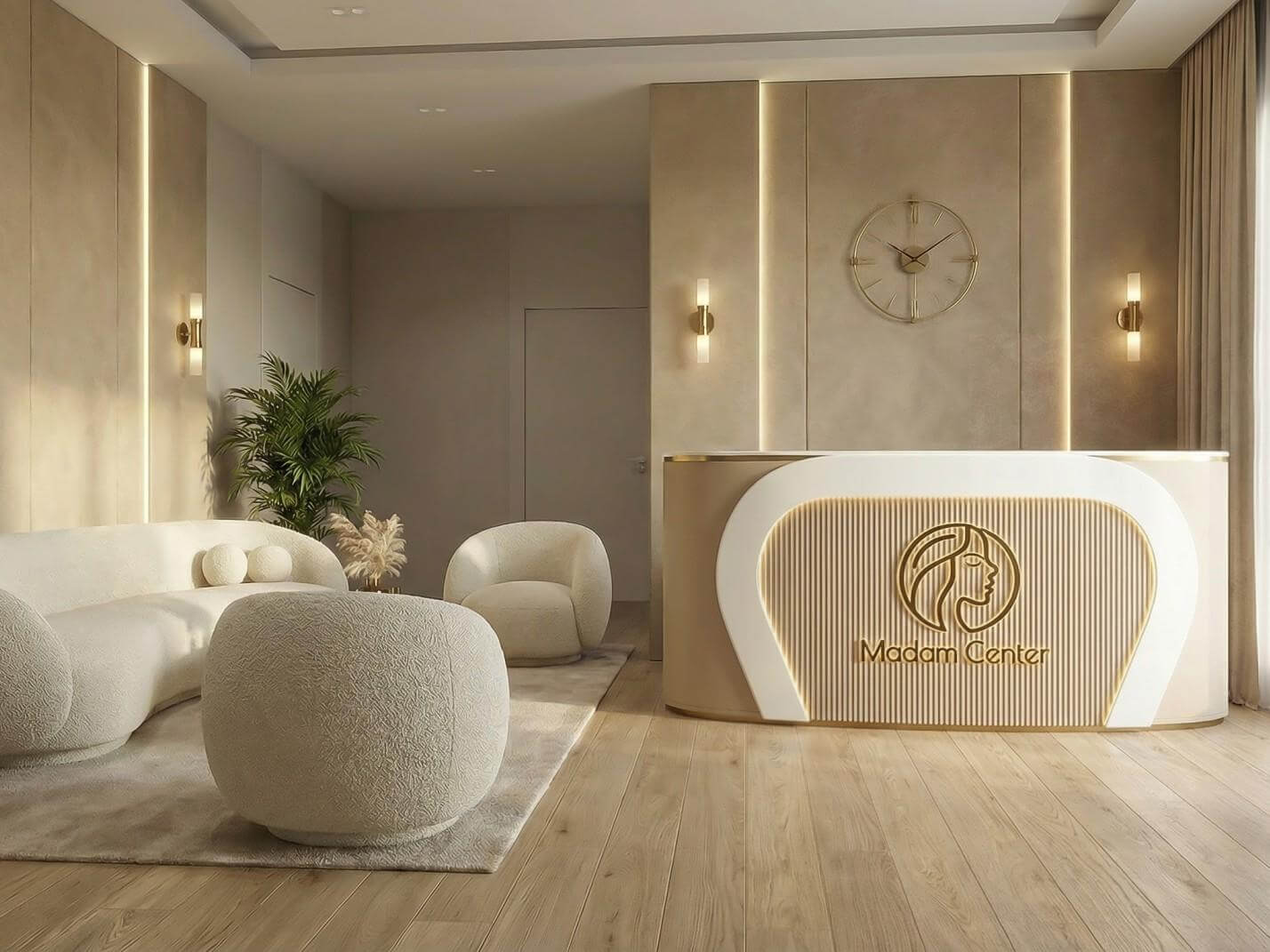 Salon Reception
 Parts


Inquiry
Form loading...
By 2026, when folks shop around for spa equipment, they won't just be eyeing upholstery and price tags anymore. They'll really start to look into stuff like how well the bed supports posture, how stable the hydraulic system is, how easy it is to clean, electrical safety features, and how smoothly the treatment workflow goes. A modern Facial Bed needs to do more than just hold a face—it should be versatile enough for facial therapy, consultations, steaming, LED sessions, and precise product applications. Plus, it should fit comfortably in everything from cozy little studios to sprawling hotel spas.
According to the Global Wellness Institute, the worldwide wellness industry hit a whopping $6.3 trillion in 2023 and is projected to near $9 trillion by 2028. People are craving more personalized, preventive treatments, which explains the growing demand. The International Spa Association keeps reporting more visits and increased investment in treatments, making choosing the right equipment more important than ever. Today, a spa treatment bed isn’t just a padded platform—it's a key part of the experience that impacts comfort, how easily therapists can move around, the efficiency of the room, and even how clients perceive the quality of service.
Lynne McNees, who’s the President of the International Spa Association, put it perfectly when she said, “The spa experience is about more than just the treatment itself.” That rings especially true for Facial Spa beds. Guests notice every little detail—the first time they touch the bed, the angle of the backrest, the headrest, and even things like the sound the motors make when adjusting. Those small touches really matter.
This guide breaks down different types of beds—electric, hydraulic, portable, wooden, and multifunctional—to help worldwide buyers make smarter choices. It looks at factors like ergonomics, how easy they are to maintain, shipping considerations, and value over time. Keep in mind, no one-size-fits-all ranking exists. A high-end frame might still struggle in humid conditions, while a more affordable model could perform just fine if you take good care of it. Bottom line? Buyers should question marketing claims, double-check certifications, and try out the working height before hitting 'purchase.' The goal is to choose equipment that’s practical, quiet, durable, and comfy—especially for real, everyday treatment rooms.
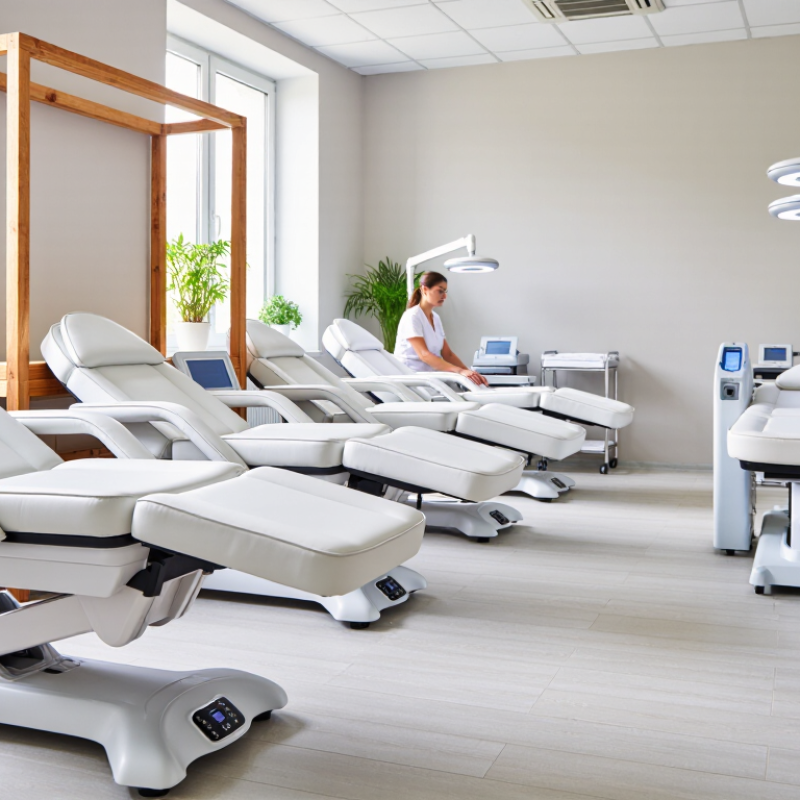
2026 Top Types of Facial Beds for Global Buyers?
What Defines a Modern Facial Bed in 2026
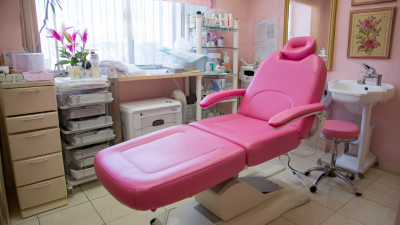
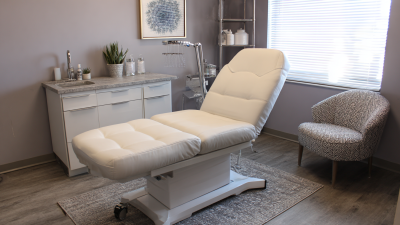
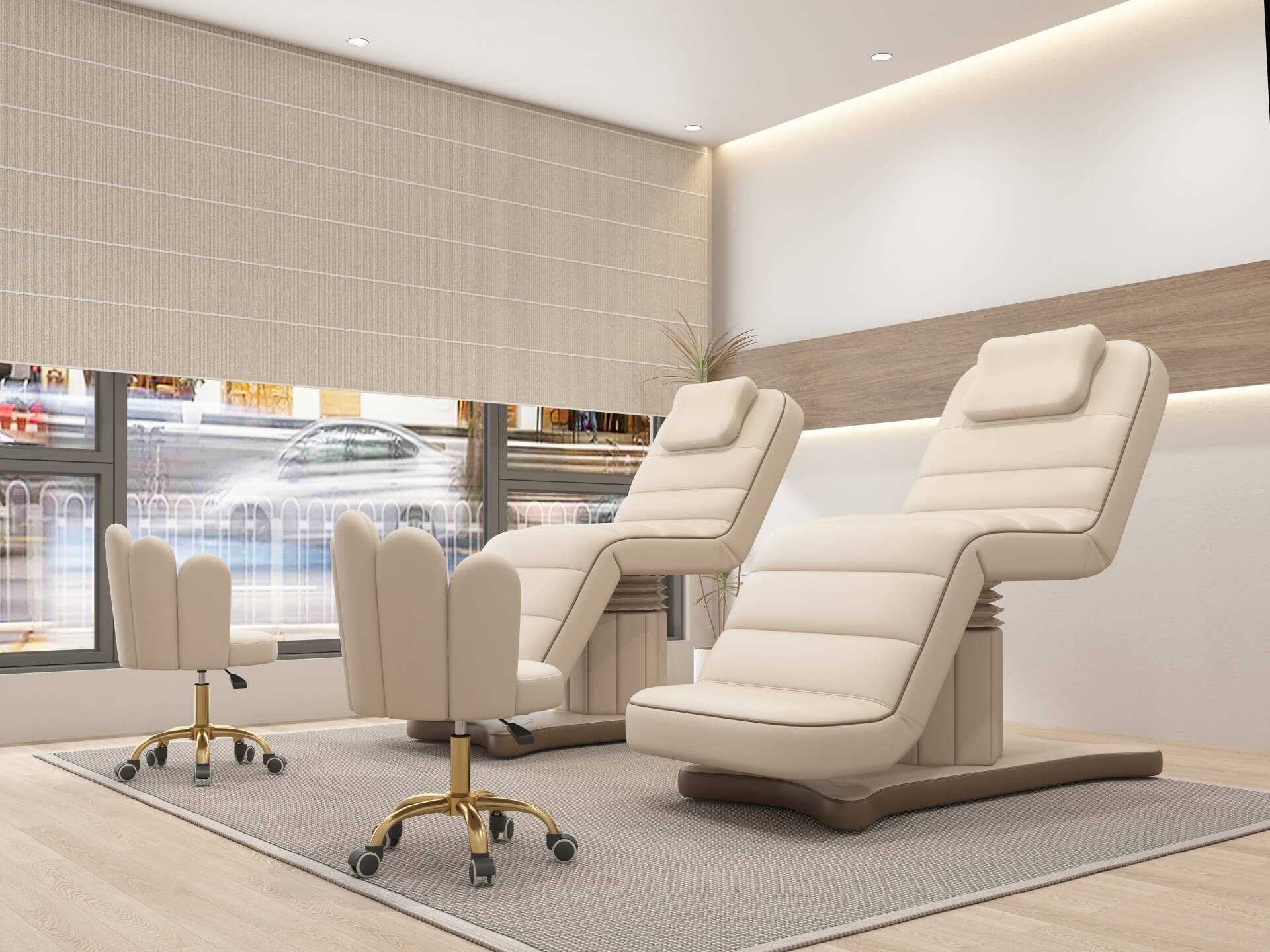
A modern facial bed in 2026 is more than a padded platform with electric controls. It should support facial treatments, consultations, brow work, and gentle skin procedures. Adjustable backrests and leg sections help practitioners maintain safer working positions. Quiet movement matters. Clients notice every vibration in a calm treatment room.
From practical use, stable construction remains essential. A broad base reduces movement when clients turn or sit up. High-density foam can improve comfort without allowing excessive sinking. Medical-grade, easy-clean upholstery helps staff manage oils, creams, and disinfectants between appointments. Rounded edges also simplify cleaning. These small details build trust.
Global buyers should check weight capacity, electrical requirements, warranty coverage, and replacement-part access before ordering. Local safety certifications may differ between markets. A heated surface sounds attractive, but temperature controls need reliable limits and clear instructions. Overdesigned controls can confuse staff and create more maintenance work. Simpler may be better.
Space-saving models suit compact studios, while hydraulic beds can remain useful where electricity is inconsistent. Fully electric models offer precise positioning, yet they may cost more and require trained servicing. Accessibility deserves closer attention too. A lower entry height can help older clients and people with limited mobility. No single bed fits every clinic, and that is easy to forget. The best choice balances comfort, hygiene, repairability, practitioner posture, and local operating conditions.
| Facial Bed Type | Main Adjustment System | Typical Working Height | Typical Width | Typical Safe Working Load | Best Application | Modern 2026 Buyer Priorities |
|---|---|---|---|---|---|---|
| Electric 3-Motor Facial Bed | Independent electric control of backrest, leg section and height | Approximately 60–85 cm | Approximately 70–80 cm | Approximately 150–200 kg | Professional facial clinics, medi-spas and high-volume beauty salons | Quiet motors, smooth positioning, wired or wireless hand control, easy-clean upholstery and adjustable head support |
| Electric 2-Motor Facial Bed | Electric backrest and height adjustment; leg section is usually manual | Approximately 60–85 cm | Approximately 70–78 cm | Approximately 130–180 kg | Independent estheticians, salons and general facial treatments | Good balance of cost and ergonomics, low operating noise, compact footprint and straightforward maintenance |
| Hydraulic Facial Bed | Foot-pedal or lever-operated hydraulic height adjustment; manual backrest | Approximately 60–80 cm | Approximately 68–78 cm | Approximately 120–180 kg | Beauty schools, salons and treatment rooms requiring durable basic equipment | No electrical connection, reliable height adjustment, robust frame, easy servicing and lower purchase cost |
| Manual Multi-Section Facial Bed | Manual ratchet, gas-spring or lockable section adjustment | Approximately 60–80 cm | Approximately 65–76 cm | Approximately 120–160 kg | Start-up salons, training rooms and low-to-medium appointment volumes | Simple operation, low energy use, durable upholstery, replaceable cushions and minimal technical requirements |
| Portable Folding Facial Bed | Manual folding frame with adjustable backrest and face cradle | Usually 60–80 cm, depending on leg settings | Approximately 60–72 cm | Approximately 100–150 kg | Mobile estheticians, home visits, events and temporary treatment spaces | Low folded weight, carrying case compatibility, quick setup, stable locking joints and wipe-clean surfaces |
| Electric Treatment Chair | Motorized reclining, height and leg-rest adjustment; often operated by foot control | Approximately 60–90 cm | Approximately 70–82 cm | Approximately 150–200 kg | Facial treatments combined with waxing, lashes, brows or light body services | Fast client positioning, multi-service flexibility, supportive leg elevation, cleanable surfaces and comfortable access for practitioners |
| Multifunctional 4–5 Motor Bed | Independent electric adjustment of height, backrest, leg section, tilt and optional cushion sections | Approximately 60–95 cm | Approximately 72–85 cm | Approximately 180–250 kg | Premium clinics, medical aesthetics and treatment rooms with multiple service categories | Precise positioning, high stability, memory presets, emergency reset, modular accessories and strong infection-control compatibility |
| Spa Facial Bed with Heated Cushion | Manual or electric adjustment with integrated low-temperature heating | Approximately 60–85 cm | Approximately 70–80 cm | Approximately 130–180 kg | Relaxation-focused spas, wellness centers and premium facial rooms | Even heat distribution, independent temperature control, thermal safety protection, breathable upholstery and energy efficiency |
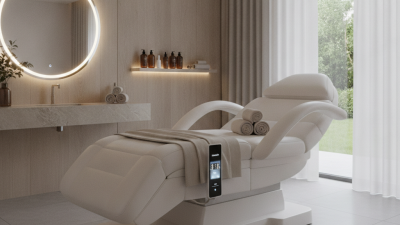
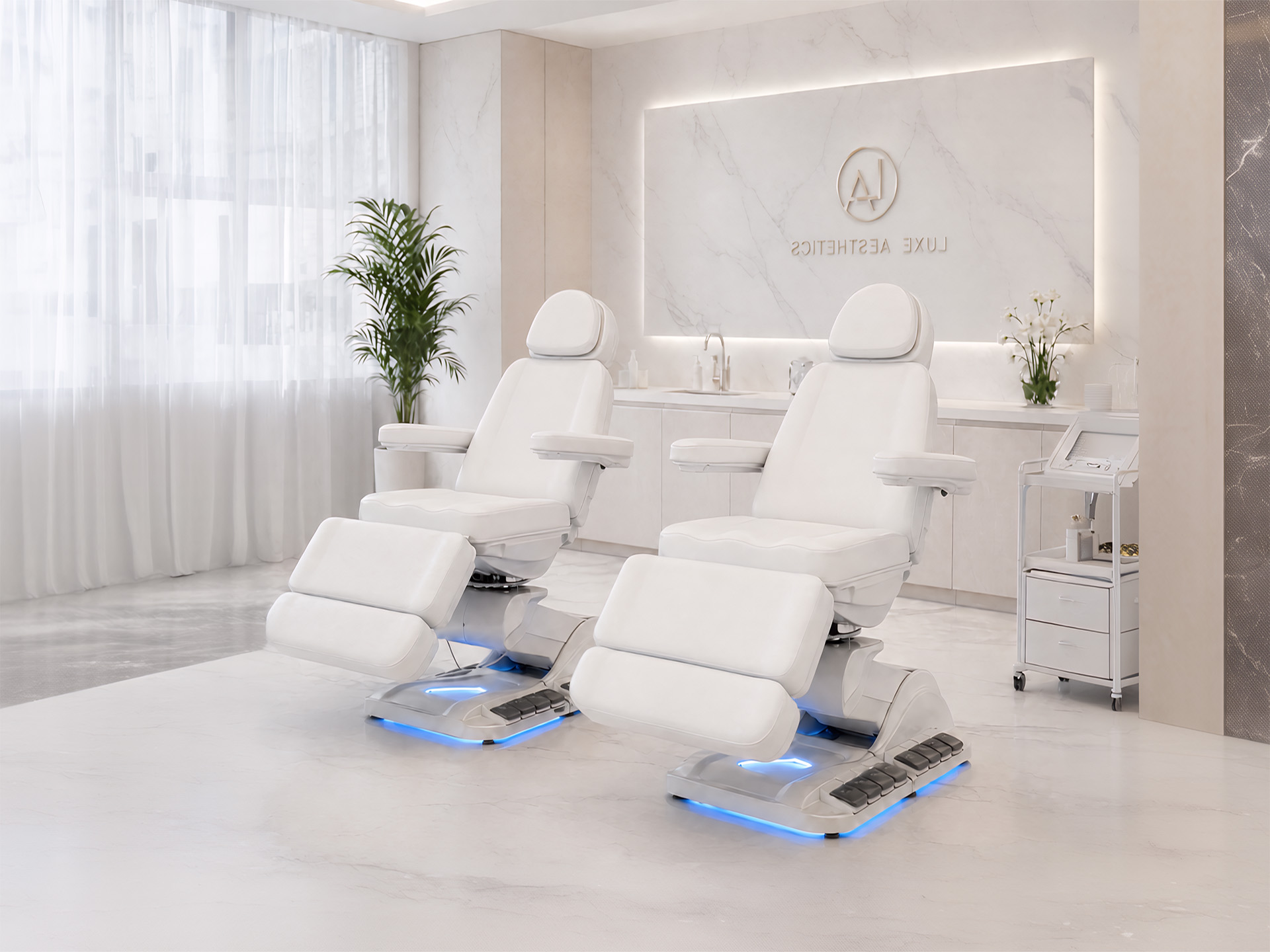
The 1016 Electric Spa Massage Beauty Bed is designed to support a wide range of professional beauty and wellness treatments. Its electric adjustment system allows operators to change the backrest, leg section, and overall working angle with smooth, convenient controls, helping clients stay comfortable during facials, massages, body treatments, and other services. A padded surface can reduce pressure during longer appointments, while durable, easy-to-clean upholstery helps maintain a hygienic treatment environment. Stable support and a practical working height also give beauty professionals better access and posture during daily use.
When choosing this type of beauty bed, consider the adjustment range, motor performance, weight capacity, and control layout. A quiet motor is especially useful in relaxing spa settings, while a handheld or integrated control can make position changes more efficient. Check the quality of the frame, cushioning, upholstery, and hinges, as these components affect long-term durability and client comfort. It is also important to measure the available room, confirm the power requirements, and review cleaning and maintenance needs before purchasing. Optional features such as a face opening, removable cushions, arm supports, or heating should be selected according to the treatments offered and the preferences of the service provider.
A modern bed supports facials, consultations, brow work, and gentle skin procedures. Adjustable sections help practitioners work with better posture. Quiet movement matters. Clients notice vibrations.
High-density foam offers comfort without excessive sinking. Easy-clean upholstery handles oils, creams, and disinfectants. Rounded edges reduce cleaning effort. Small details matter.
Electric beds provide precise positioning for the backrest, legs, and height. Hydraulic beds work well where electricity is unreliable. Electric systems may need trained servicing. Keep it simple.
Check weight capacity, electrical requirements, warranty terms, and replacement-part access. Local safety requirements may differ. A low purchase price can hide future service costs.
Portable beds fold easily and suit mobile therapists or compact rooms. They may offer less weight capacity and rigidity. Test stability before regular use. Portability has limits.
Not always. Removable cushions, storage areas, and side supports add flexibility. Extra mechanisms can increase cleaning time and maintenance needs. More features may create confusion.
A lower entry height can help older clients and people with limited mobility. A broad base improves stability when clients sit or turn. Entry should feel controlled.
Heating can improve comfort during longer treatments. Reliable temperature limits and clear instructions are essential. Overcomplicated controls may burden staff. I would recheck this choice.
In 2026, a modern Facial Bed is more than a padded surface: it is an essential part of a comfortable, efficient, and adaptable treatment room. Facial beds can be classified by their design and function, including fixed, portable, manually adjustable, and electrically adjustable models. Each type offers different benefits for professional treatments, available space, and daily workflow.
When choosing a bed, buyers should compare adjustability, upholstery, frame materials, stability, and ease of cleaning. The best fit depends on the treatments offered, client comfort, practitioner ergonomics, and room size. Global buyers should also consider applicable product standards, shipping and maintenance requirements, replacement parts, and the total cost of ownership—not just the initial price. A careful comparison helps ensure the selected Facial Bed meets practical needs while supporting reliable use over time.