 Beauty & Spa
 Examination and Treatment
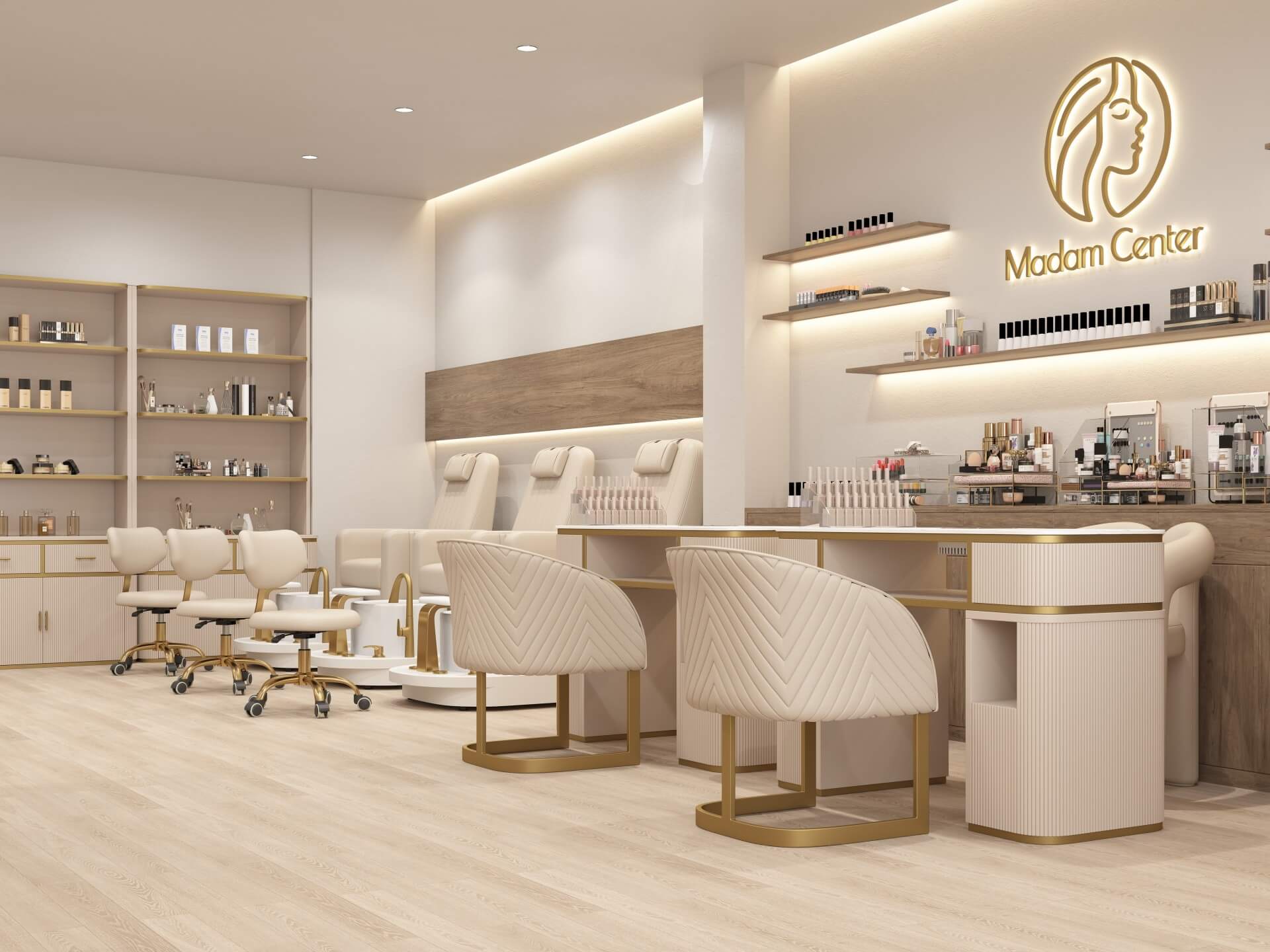 Pedicure & Manicure Nail Salon
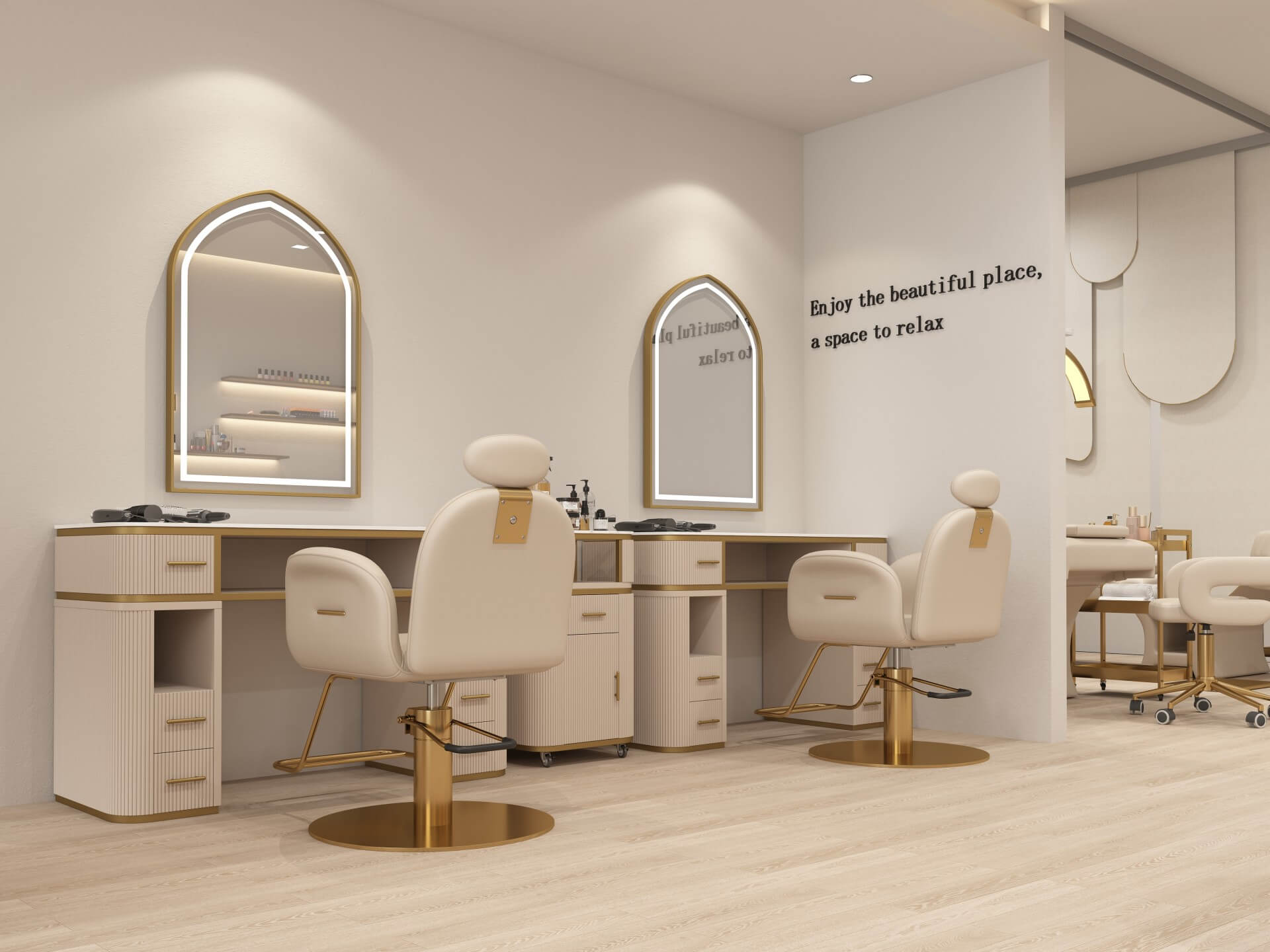 Barber & Hair Wash Salon
 Salon Reception
 Parts


Inquiry
Form loading...
Honestly, choosing the right Pedicure Furniture in 2026 takes a lot more than a pretty finish or a tempting promo price. Salon buyers around the world are now looking at the whole picture: comfort, sanitation, durability, water management, and service support. Because a chair can look great and still be a headache if the basin drains slowly or the footrest leaves your technician hunched all day.
So this guide walks through practical options for different salon setups—from tiny urban studios to busy, high-volume beauty centers. We'll look at reclining mechanisms, washable upholstery, pipe access, vibration control, storage, and client privacy. Furniture Salon Furniture also needs to fit the way you actually work, not just fill an empty corner. Before you order, measure doorways, plumbing points, electrical outlets, and how much room your technicians need to move around. Little mistakes here get expensive fast.
When it comes to buying, evidence matters. Ask for material specs, load-testing info, installation guidance, warranty terms, and whether replacement parts are easy to get. Suppliers with documented quality procedures and clear international shipping practices are worth a closer look. And don't forget local safety, electrical, water, and accessibility rules—check them before installation. What's approved in one market may not pass in another.
Comfort matters. Hygiene matters more. But neither is just a checklist. Real salon experience tends to uncover the stuff product photos hide: awkward cleaning gaps, noisy pumps, not enough legroom. Sometimes you have to rethink a familiar layout after testing a chair with your staff and clients. There's no one perfect model for everyone. The strongest choice balances daily performance, total ownership cost, professional appearance, and support you can count on. This overview is meant to make that call a little clearer—while being honest that some recommendations really do need local testing before you commit.
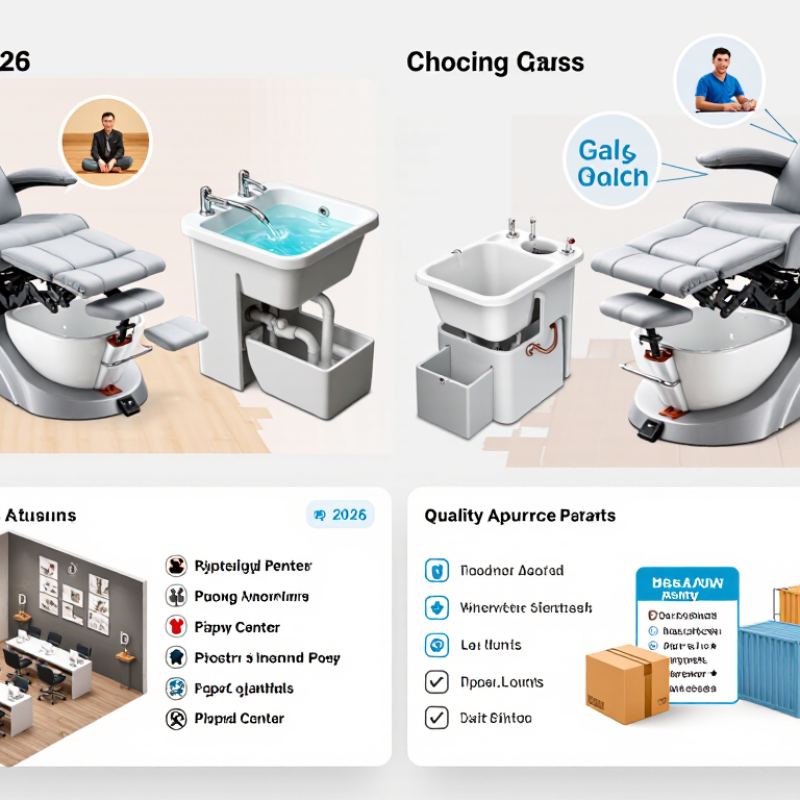
Pedicure furniture is the built environment that supports foot care, sanitation, comfort, and service workflow. It includes pedicure chairs, technician stools, Manicure Tables, storage units, and mobile carts. A strong layout keeps clean tools away from used materials. It also gives technicians enough knee space.
Common types include standalone pedicure chairs, pipeless spa chairs, portable foot basins, and treatment benches. Pipeless systems can simplify cleaning because water does not circulate through hidden jet lines. Portable basins suit compact studios and changing service rooms. Fixed chairs offer better stability, but they demand accurate plumbing and floor planning. Small details matter.
Essential components include adjustable seating, a washable basin, footrests, drainage access, and sealed upholstery. Rounded edges reduce dirt traps. Moisture-resistant surfaces protect the frame from daily splashes. The 2024 ISPA U.S. Spa Industry Study reported 373 million visits and 21.3 billion dollars in 2023 revenue, showing why durable service equipment matters. The Global Wellness Institute valued the global wellness economy at 5.6 trillion dollars in 2022. These figures do not measure pedicure furniture directly, but they indicate sustained demand for wellness-focused spaces.
For international buyers, OEM Furniture Salon Furniture should be assessed through load ratings, replacement-part access, voltage compatibility, and packaging quality. I have seen attractive chairs fail when drainage placement was overlooked. No layout is perfect. A test installation with real staff can expose reach problems before volume purchasing.
| Pedicure Furniture Type | Definition and Typical Use | Typical Dimensions | Essential Components | Recommended Materials | Space Requirement | Indicative Unit Price | Best For |
|---|---|---|---|---|---|---|---|
| Standard Pedicure Chair | A dedicated client chair positioned beside a separate or integrated foot basin for basic pedicure services. | Width: 70–85 cm Depth: 120–155 cm Seat height: 45–55 cm | Padded seat, adjustable footrest, removable cushion, foot basin, drainage connection, and service tray. | Powder-coated steel frame, marine-grade plywood, closed-cell foam, and water-resistant upholstery. | Approximately 2.5–3.5 m² per station, including working clearance. | USD 350–1,200 | Small salons, beauty schools, and budget-conscious buyers. |
| Pipeless Pedicure Chair | A pedicure chair using a removable or sealed basin and circulating jet system without permanent internal water lines. | Width: 75–90 cm Depth: 125–160 cm Seat height: 45–58 cm | Removable basin, magnetic or disposable jet, drain hose, footrest, control panel, and sanitation accessories. | Stainless steel or molded composite basin, corrosion-resistant frame, and antimicrobial vinyl upholstery. | Approximately 2.8–3.8 m² per station. | USD 700–2,000 | Salons prioritizing cleaning efficiency, flexible installation, and reduced plumbing work. |
| Plumbed Pedicure Spa Chair | A fixed pedicure station connected directly to hot and cold water supply lines and a permanent waste system. | Width: 80–95 cm Depth: 135–175 cm Seat height: 45–60 cm | Integrated basin, water inlet, drain assembly, backflow protection, mixing valve, footrest, and adjustable chair. | Ceramic or solid-surface basin, stainless steel plumbing parts, reinforced frame, and commercial-grade upholstery. | Approximately 3.0–4.0 m² per station, excluding construction access. | USD 1,000–3,000 | High-volume salons and permanent fit-outs with suitable plumbing infrastructure. |
| Piped-Free Spa Chair | A chair designed to avoid hidden water lines by using a removable basin and accessible external drainage components. | Width: 75–90 cm Depth: 125–165 cm Seat height: 45–58 cm | Portable basin, external drain hose, detachable jet, storage compartment, footrest, and hand-control unit. | High-impact polymer basin, powder-coated metal, sealed wood panels, and waterproof upholstery. | Approximately 2.5–3.5 m² per station. | USD 650–1,800 | Rental premises, mobile layouts, renovations, and locations with limited plumbing access. |
| Massage Pedicure Chair | A spa chair combining pedicure functions with powered back, lumbar, vibration, or rolling massage features. | Width: 80–95 cm Depth: 140–180 cm Reclined length: up to 190 cm | Motorized recline, massage mechanism, hand control, headrest, footrest, basin, and electrical safety system. | Reinforced steel frame, high-density foam, fire-retardant upholstery, and impact-resistant basin materials. | Approximately 3.2–4.2 m² per station, allowing recline clearance. | USD 1,500–4,000 | Premium salons, hotel spas, and wellness-focused service areas. |
| Portable Pedicure Station | A compact, movable workstation for water-based or waterless pedicure services. | Width: 45–70 cm Depth: 45–75 cm Height: 75–95 cm | Worktop, storage shelf, removable basin, waste container, caster wheels, and towel or tool holder. | Moisture-resistant laminate, stainless steel hardware, sealed plastic basin, and lockable casters. | Approximately 1.0–1.8 m², depending on the client chair arrangement. | USD 150–700 | Mobile technicians, multi-purpose rooms, temporary events, and compact salons. |
| Pedicure Technician Stool | An ergonomic seat that supports the technician during foot, nail, and lower-leg treatments. | Seat diameter: 35–45 cm Adjustable height: 45–65 cm Base diameter: 45–60 cm | Padded seat, height adjustment, five-point base, casters, and optional backrest. | Chrome-plated or powder-coated base, molded foam, and easy-clean polyurethane or vinyl cover. | Approximately 0.6–1.0 m² within the technician working zone. | USD 60–250 | Every pedicure workstation requiring improved technician comfort and posture. |
| Pedicure Service Trolley | A wheeled storage unit that keeps implements, towels, products, and sanitation supplies within reach. | Width: 40–55 cm Depth: 35–50 cm Height: 75–100 cm | Two or more shelves, drawers, tool cup, waste compartment, protective edges, and lockable casters. | Powder-coated steel, stainless steel, polypropylene, or moisture-resistant laminate. | Approximately 0.5–0.8 m², including access around the trolley. | USD 80–350 | Organized workstations, training centers, and salons with shared treatment areas. |
Note: Dimensions, capacity, and prices are typical market ranges for commercial pedicure furniture in 2026. Actual specifications vary by configuration, local regulations, shipping requirements, and installation conditions.
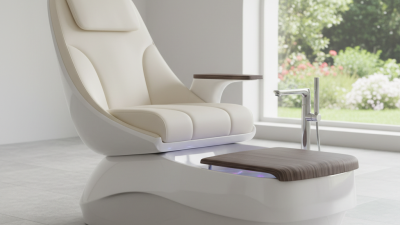
The 0220 Connected Pedicure Chair brings a more comfortable and efficient approach to modern salon services. Designed with both clients and technicians in mind, it supports a relaxing experience while helping professionals maintain a smoother workflow. Its connected design can help organize treatment steps, improve access to essential functions, and reduce unnecessary movement during appointments. A thoughtfully shaped seat, supportive positioning, and a calm presentation allow clients to settle in comfortably throughout longer pedicure sessions.
For salon teams, the chair creates a practical workstation that balances service quality with daily productivity. Its integrated structure helps keep the treatment area organized, making it easier to prepare, serve, and reset between clients. The clean, contemporary appearance also fits naturally into a range of salon interiors, from minimalist spaces to more luxurious environments. By combining user comfort, functional coordination, and efficient space use, the 0220 Connected Pedicure Chair helps salons deliver a polished experience while supporting technicians through every stage of the service.
Pedicure furniture supports foot care, sanitation, comfort, and service workflow. It includes chairs, stools, storage units, manicure tables, and mobile carts.
Common options include fixed chairs, pipeless spa chairs, portable foot basins, and treatment benches. Portable basins suit compact or changing rooms.
Pipeless systems avoid hidden water lines and circulating jets. This can reduce cleaning difficulty and hidden residue. Cleaning still requires care.
Look for adjustable seating, a washable basin, footrests, drainage access, and sealed upholstery. Rounded edges reduce dirt traps.
Provide enough knee space and adjustable working heights. A forty-minute service can strain shoulders without proper reach. Test the layout with real staff.
Quiet massage, adjustable heat, touch controls, and water-saving basins may improve comfort. Test them personally, because product sheets can miss noise or awkward controls.
Leave turning space beside the station and provide stable transfer points. Avoid slippery floor transitions. A wider chair alone is not enough.
Confirm load ratings, voltage, plug type, plumbing, wastewater connections, and safety documents. Also check replacement parts and warranty response times.
Measure the room, doorway, lift, basin height, and technician’s knee space. Request one sample unit for large orders. It may reveal uncomfortable defects early.
Use moisture-resistant crates and protected corners. Confirm packing lists, spare parts, delivery terms, and damage-claim deadlines. Schedules still fail sometimes.
This guide to 2026 Best Pedicure Furniture for Global Salon Buyers explains how Pedicure Furniture combines client comfort, professional functionality, hygiene, and long-term value. It introduces key furniture types, including pedicure chairs, technician stools, foot basins, storage units, and integrated workstations, while outlining essential components such as ergonomic seating, reliable plumbing, easy-clean surfaces, adjustable support, and efficient space organization. Buyers will also learn how to evaluate durability, safety, water management, maintenance needs, and accessibility for different salon models, from compact studios to high-volume beauty centers.
The article also explores emerging trends in technology, comfort, and inclusive design, including smart controls, improved massage functions, energy-conscious operation, and user-friendly layouts. Practical guidance covers material selection, sanitation procedures, customization options, international purchasing, packaging, shipping coordination, and supplier assessment. By considering salon capacity, service style, budget, local requirements, and after-sales support, global buyers can select Pedicure Furniture that supports a clean, comfortable, efficient, and adaptable salon environment.